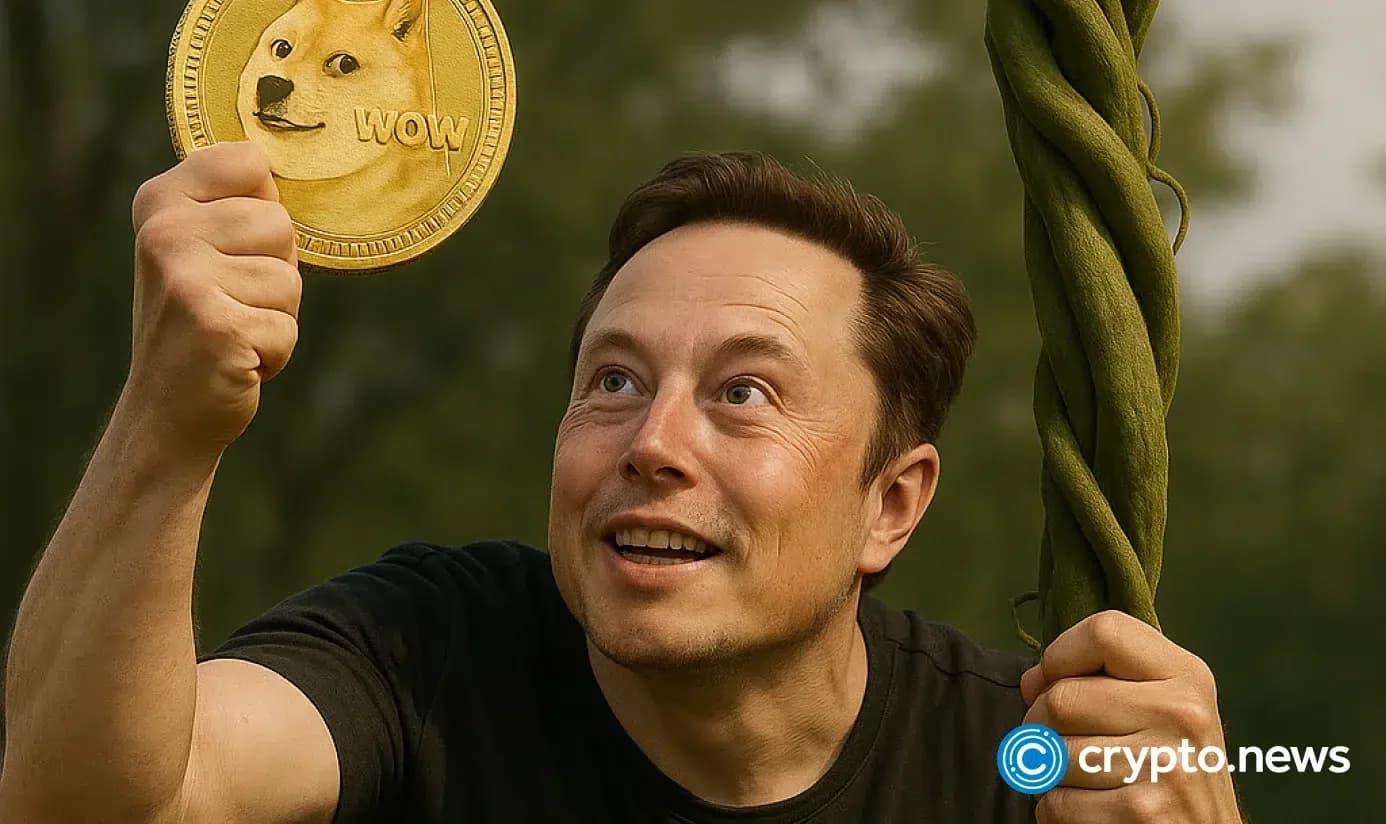
According to reports from Reuters, Intel announced on Tuesday that it would join Elon Musk's Terafab AI chip complex project along with SpaceX, Tesla and xAI. The partnership represents a significant expansion of the Terafab initiative, which was previously announced by Musk last month. As reported by Reuters, Musk's rocket company SpaceX - which recently merged with his social media and artificial intelligence company xAI - and EV firm Tesla would build two advanced chip factories at a sprawling facility in Austin, Texas. Intel's shares rose about 2% in early trading following the announcement, with the company also confirming that it hosted Musk at its campus the past weekend, as reported by Global Banking & Finance Review. According to Wccftech, Intel is proud to join the Terafab project with @SpaceX, @xAI, and @Tesla to help refactor silicon fab technology, emphasizing the strategic importance of this collaboration in advancing domestic semiconductor manufacturing capabilities.
As reported by Reuters, Intel stated that its ability to design, fabricate, and package ultra-high-performance chips at scale will help accelerate Terafab's aim to produce 1 terawatt per year of compute to power future advances in AI and robotics. According to the company's social media post on X platform, the project involves building one factory to power cars and humanoid robots, and another designed for AI data centers in space. Intel will contribute chip design, fabrication, and packaging capabilities to the Terafab project, leveraging its established chip manufacturing expertise with Musk's companies' focus on advanced AI applications. Terafab, announced March 21, 2026, aims to produce up to 1 terawatt of AI compute per year via a full-stack chip fab in Austin for both terrestrial and space use, with production expected to begin small-batch in late 2026 and scale in 2027. As reported by Wccftech, Intel helps Tesla set up the Austin facility, adapting it to Team Blue's foundry model, which will then allow mass production to be achieved much more quickly. The partnership could potentially see 18A production at the facility, with EMIB and derivatives also being produced in Texas.
According to Reuters, shares of Intel were up nearly 3% following the announcement, demonstrating strong market confidence in the strategic partnership. The stock has demonstrated strong performance this year, rising around 38% so far this year. The positive market reaction reflects investor confidence in Intel's strategic positioning in the AI chip market and the potential benefits from collaborating with Musk's companies on cutting-edge AI infrastructure projects. For Intel, which had lagged its rivals in the AI race, the partnership is set to boost investor confidence as its turnaround efforts gather steam, with the company's finances improving as it witnesses increased demand for its processors. As reported by Wccftech, the Intel-Tesla deal essentially secures two important grounds: the need for a 'total' domestic manufacturing stack and the fundamental structure for setting up the TeraFab project.
As reported by Reuters, SpaceX, which confidentially filed for a U.S. initial public offering last week, plans a market launch later this year. This IPO filing adds another dimension to the Terafab project, as SpaceX's public market debut could provide additional funding and visibility for the AI chip initiative. The timing of the IPO filing coincides with the broader Terafab project announcement, potentially creating synergies between the public offering and the chip manufacturing partnership. The company is targeting a market launch later this year, which could make it the largest stock market listing on record.
According to Reuters, Intel's current top boss Lip-Bu Tan, at the helm for more than a year now, is pursuing an aggressive restructuring to repair the chipmaker's finances, including job cuts and asset sales. Intel has also received billions of dollars in investments from Nvidia as well as the U.S. government, which is now its biggest shareholder. The partnership with Terafab represents a significant milestone in Intel's turnaround strategy, providing critical manufacturing infrastructure and accelerating its AI chip capabilities through collaboration with industry leaders in the autonomous vehicle and space sectors. As reported by Wccftech, Tesla doesn't have a node IP or semiconductor industry experience, we anticipated a joint venture with existing foundries, and it seems Intel has been chosen for the project.