InterGlobe Aviation Ltd, which operates India's largest airline IndiGo, is seeking shareholder approval to raise its borrowing limit by 57% to ₹110,000 crore, from the existing ₹70,000 crore. According to reports from Mint, the airline expects to exhaust its existing borrowing limit in FY27 and seeks an additional borrowing capacity of ₹40,000 crore, which it is likely to use by the first half of FY29. About 75% of the incremental borrowing capacity is expected to be used to finance aircraft through long-term finance leases, with the balance earmarked for capital expenditure and working capital. The airline attributes this expansion to rising urbanisation, increasing preference for time-efficient travel and improving affordability, which are driving passenger traffic across both leisure and business segments.
The airline is gradually moving beyond its traditional low-cost carrier model by investing in premium cabins, upgraded fare options and long-haul international operations. IndiGo has rolled out '6E Ways to Fly', a new fare structure designed to cater to different traveller segments, offering multiple options—Saver, Flexi, UpFront, IndiGoStretch and IndiGoStretch+—allowing passengers to pay for added comfort, flexibility and convenience. The airline has also expanded IndiGoStretch, its premium seating product, alongside the introduction of UpFront seats, aimed at business travellers and customers willing to pay extra for a better flying experience without moving to a traditional full-service airline. The company expects this shift to expand the base of frequent flyers from Tier-II and Tier-III cities, supporting sustained growth in domestic aviation and improving capacity utilisation across the sector.
The move comes as IndiGo works through one of the largest aircraft expansion programmes in global aviation. The airline had a fleet of 441 aircraft as of 31 March 2026, while its order book stood at about 900 aircraft, with deliveries spread through 2035. IndiGo is also targeting nearly 200 million passengers annually, around 3,000 daily departures and a fleet of more than 550 aircraft by 2030. Looking ahead, the airline plans to increase the share of owned and finance-leased aircraft from around 20% of its current fleet to 30-40% of a projected 600-aircraft fleet by 2030. During FY26, the airline entered the long-haul international market by launching services to the UK and Eastern Europe, while also becoming the first Indian airline to induct the Airbus A321XLR, enabling longer non-stop routes. The company is expanding its international footprint through network additions, codeshare partnerships and fleet diversification, with the introduction of aircraft such as the A321XLR and planned addition of A350 aircraft enabling access to new international markets.
For the first quarter of FY27, IndiGo reported a consolidated net loss of ₹238 crore, compared with a profit of ₹2,176 crore a year earlier, as sharply higher fuel costs weighed on profitability. Revenue from operations rose 20% year-on-year to ₹24,584 crore, driven by strong travel demand, but total expenses jumped 34% to ₹25,853 crore. Aircraft fuel costs surged 86% to ₹10,833 crore, while the EBITDAR margin narrowed to 15.6% from 28%. Despite higher debt, the airline maintained a strong liquidity position with total cash of ₹52,885 crore and expanded its network to 97 domestic and 46 international destinations, ending the quarter with a fleet of 432 aircraft.
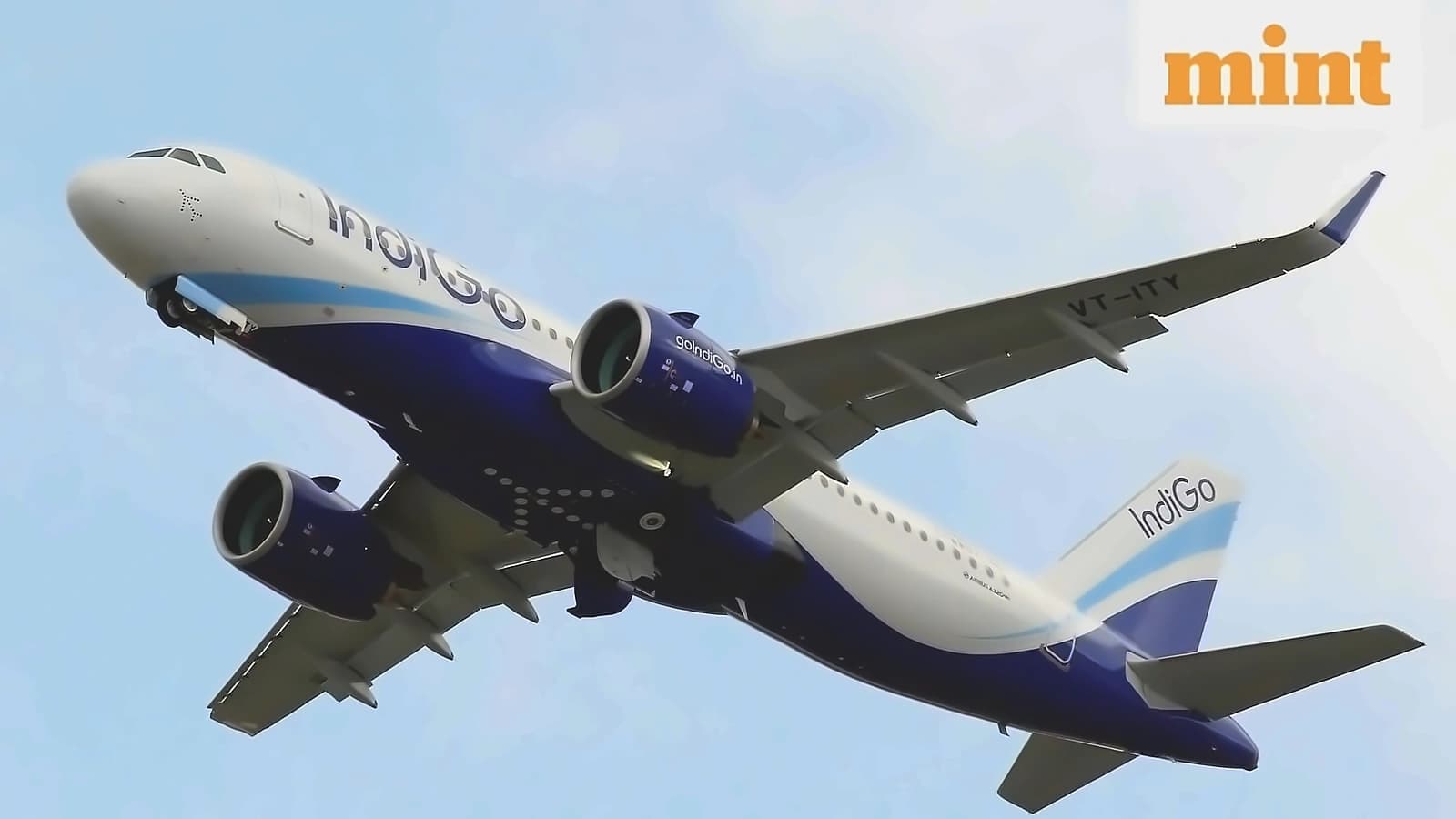
Despite facing near-term challenges including conflicts in West Asia causing intermittent airspace restrictions and volatile fuel prices, IndiGo maintains confidence in India's long-term aviation growth trajectory. The airline identified conflicts in West Asia and broader macroeconomic uncertainties as the biggest near-term risks to the sector, while noting that the steady expansion of the middle-class population is structurally strengthening demand for air travel. IndiGo is addressing these risks through a combination of a fuel-efficient fleet, proactive currency hedging and a diversified network strategy. The company's strategy remains focused on strengthening network reach, maintaining operational reliability and delivering cost-efficient operations, positioning it well to benefit from the structural drivers of rising air travel demand, expanding airport infrastructure and increasing international connectivity.