India has emerged as the world's fastest-growing polymer compound market, accounting for 13% of a $75 billion global industry in 2025, according to a Crisil report. The domestic sector is projected to grow to $16.5 billion in FY2031, representing significant expansion from $9.9 billion in CY2025. This growth trajectory positions India as a key player in the global polymer compound market, driven by increased manufacturing in automotive and electronics sectors alongside infrastructure development. The growth is attributed to technological advancements and rising demand for polymers in key end-use sectors including automotive, construction, electrical appliances, wire & cables, and electrical & electronics applications.
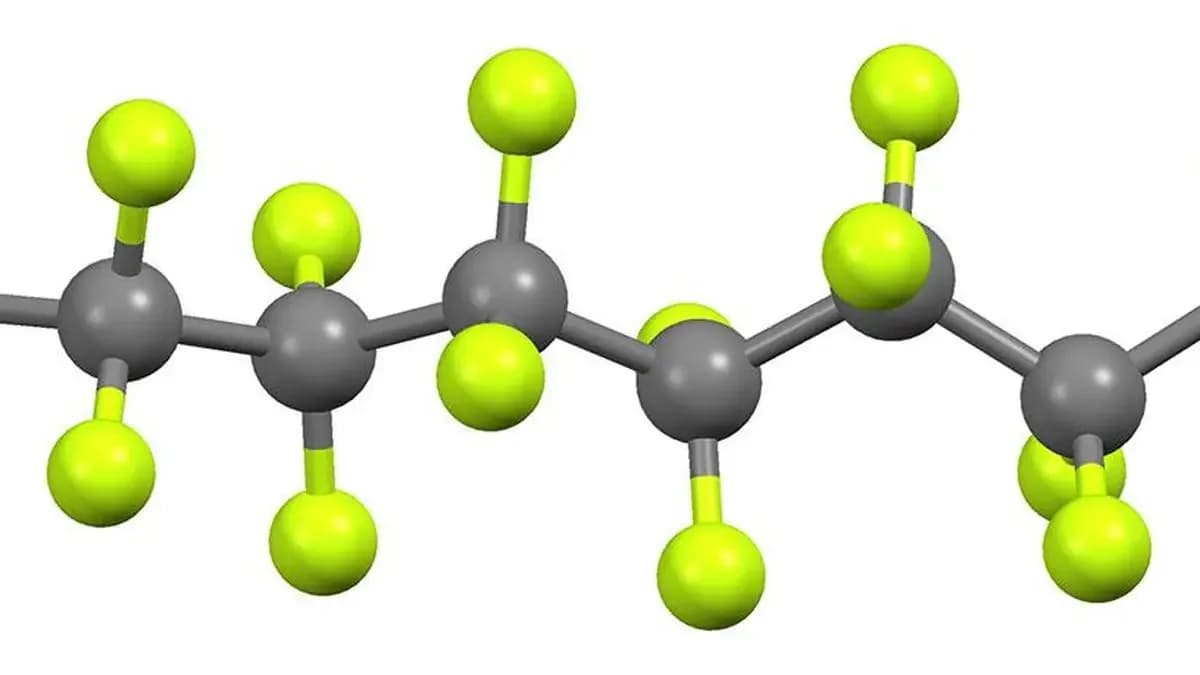
The global polymer compounding market stood at $75.53 billion in 2025, growing at a CAGR of 6.5% from 2019. According to the Crisil report, the market is expected to grow at a CAGR of 6.7% through 2031, reaching $109.80 billion. Polymer compounding involves a melt-blending process where thermoplastic resin is combined with additives and reinforcements such as antioxidants, UV stabilisers, flame retardants, glass fibres, or minerals to create materials with specific properties. These additives improve properties such as strength, stiffness, colour, flammability resistance, or electrical and thermal conductivity, depending on the end-use applications. Because of their strong performance, lightweight, and cost-effectiveness, polymers are often used as alternatives to metal and mineral-based materials.
Crisil attributes the polymer compound sector's significant growth to rapid expansion across electricity networks, 5G fiberisation, water grids, city gas pipelines, and oil pipelines. The domestic industry has shown remarkable growth, with Crisil projecting it to more than double from $5.97 billion in 2019 to an estimated $10.73 billion by the end of 2026. Key demand segments include automotive, power cables, telecom cables, water pipelines, and oil & gas pipelines, driven by high demand and increased investments. The growth is being witnessed in cables and wires segments as well as water, oil and gas segments, owing to high demand and increased investments in these infrastructure sectors.
Karan Aggarwal, Director of BLS Polymers Limited, highlighted the growth momentum in specialized applications. According to the report, BLS Polymers, which started operations in 2001, has developed more than 120 formulations for specialized applications. The growth is being witnessed in cables and wires segments as well as water, oil and gas segments, owing to high demand and increased investments in these infrastructure sectors. The company's expertise in polymer compounding demonstrates the technological advancement and specialized applications driving this sector's growth across diverse end-use applications.