India's plastic recycling market is expected to grow at 9-11% annually over the next 5-10 years, according to the Association of Plastic Recyclers, Bharat. As reported by NDTV Profit, this growth trajectory is primarily driven by rising demand for recycled plastics across the country. The association's director general, Shailendra Singh, highlighted that the plastic recycling ecosystem has undergone significant transformation over the past decade, supported by stronger regulations such as EPR and recycled-content mandates, increased investment and adoption of world-class technologies. "We expect the market to grow at around 9-11 per cent CAGR over the next 5-10 years, driven by rising demand for recycled plastics," Singh stated at the Plastics Recycling Show India (PRS India) 2026 and Bharat Recycling Show (BRS) 2026 organised by Media Fusion and Crain Communications. However, collection, source segregation and the integration of the informal sector into the formal recycling economy remain critical challenges that need addressing.
India's recycled plastics market is projected to grow from USD 6.57 billion in 2026 to USD 11.71 billion by 2031 at a CAGR of 8.6%, according to latest market projections. This growth is supported by demand from packaging and automotive sectors, improved waste collection and technology adoption. Meanwhile, the metal scrap, e-waste and battery recycling sector, valued at over USD 14 billion, is moving towards more organised and technology-driven operations, with EPR mandates, recycled-content targets and rising demand for critical minerals accelerating investments in advanced processing and material recovery. The experts noted that as demand for FMCG-grade recycled polymers and secondary metals accelerates, scaling quality and traceability will be crucial for an Atmanirbhar Bharat. R.V. Sridhar, Senior Advisor at McKinsey & Company, emphasized that "The next phase of India's recycling growth will be shaped by quality, traceability and technology, rather than volumes alone."
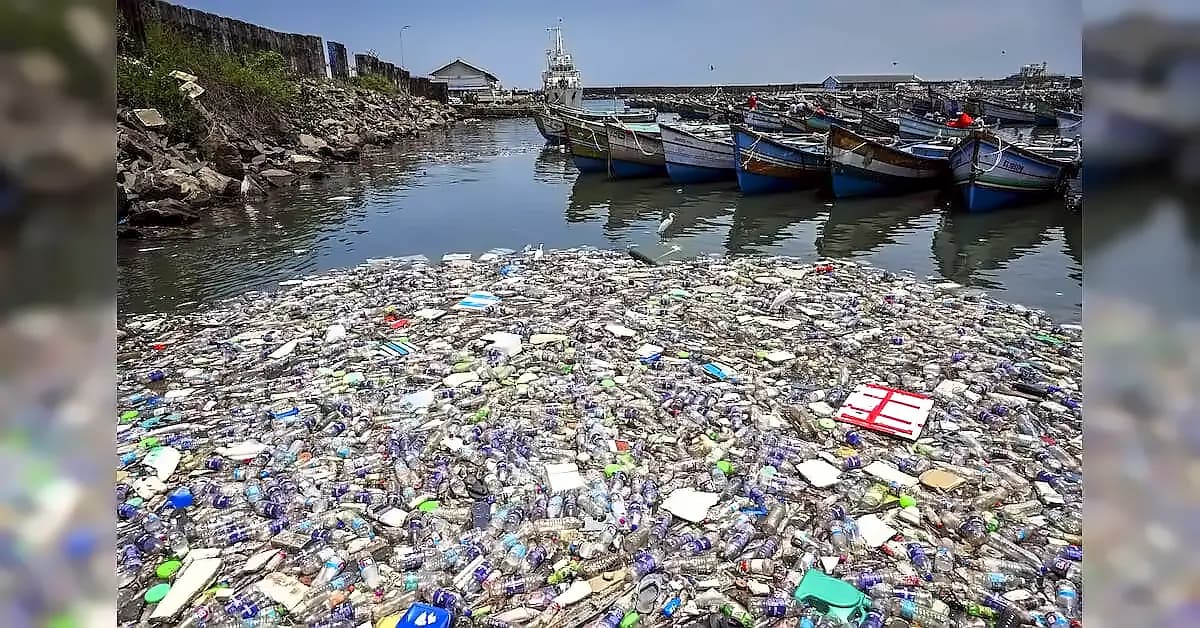
India's plastic waste crisis has reached critical levels with 4 million tonnes of plastic waste generated annually, of which only 60% is collected through formal channels. Single-use plastics from packaging, e-commerce and food delivery have exploded with urbanization, while only about 50% to 60% is formally collected and even less is properly recycled. The result is urban flooding during monsoons, soil and groundwater contamination, health risks for citizens and waste pickers, and a growing threat to marine life and agriculture. Maharashtra Pollution Control Board chairman Siddhesh Ramdas Kadam emphasized that addressing these problems requires more than penalties and enforcement, calling for stronger collaboration between industry, government, citizens and young people to accelerate the country's transition towards a circular economy. In a recent clean-up of Mumbai's Juhu Beach, 180 tonnes of waste was collected in six hours, while municipal authorities collect around 80-120 tonnes of waste every day on average. "We need to focus on small, practical steps such as segregation of waste at source. Ten smaller chains can ultimately lead to one big chain and make a significant difference," Kadam added, noting that manufacturers have social responsibility as waste generated from their products ultimately becomes raw material for the recycling industry.
Banyan Nation, a Hyderabad-headquartered plastic recycling firm, has been working on India's polyolefin recycling challenge since 2013, building one of the country's earliest organised supply chains for high-quality HDPE recycling. As reported by NDTV Profit, the company's Hyderabad facility currently has 10,000 tonnes of annual capacity and is scaling this to 50,000 tonnes through a new Bengaluru facility over the next four years. The company's General Manager and Head of Business Development, Kiarah Ahuja, noted that the focus now needs to shift towards building reliable, certified recycling capacity and strengthening the supply chain. "As the market scales, the focus now needs to shift towards building reliable, certified recycling capacity and strengthening the supply chain. Ultimately, EPR can do for recycled plastic what renewable purchase obligations did for solar by creating the demand," Ahuja added. The waste management industry leaders emphasised that India's transition from a linear waste economy to a technology-led circular model will no longer be defined by volumes alone, with the focus shifting to feedstock quality, material purity, advanced traceability and resilient collection networks. Suyog Keluskar, Senior Director at IGS, 1Lattice, highlighted that "The next phase of India's recycling industry will be defined by quality, specification and resource security, rather than simply processing more volumes."
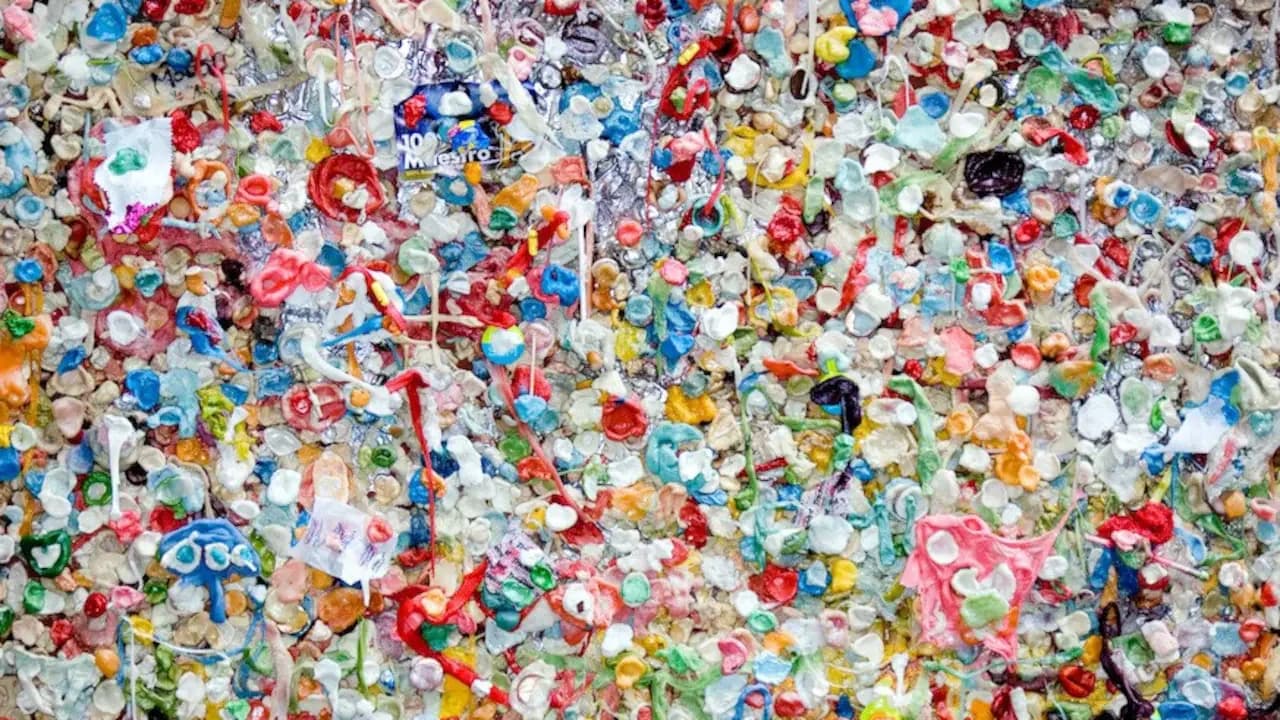
The government's commitment to building an Atmanirbhar recycling economy is backed by major policy initiatives under the Narendra Modi government. The Plastic Waste Management Rules amended in 2022 banned 19 single-use plastic items and enforced Extended Producer Responsibility (EPR), making companies accountable for collecting and recycling their plastic footprint. The government is also promoting the India Plastics Pact, waste-to-road technology where plastic is used in national highways, and startups converting PET bottles into fabric and multi-layer plastic into building blocks. Recent fluctuations in virgin polymer prices have highlighted India's dependence on imported petrochemicals and the need to promote recycled plastics to improve resource security and self-reliance. Shailendra Singh noted that "Recent fluctuations in virgin polymer prices have highlighted India's dependence on imported petrochemicals and the need to promote recycled plastics to improve resource security and self-reliance." The Rs 1,500 crore incentive scheme under the National Critical Mineral Mission with 58 companies approved and around 850,000 tonnes of annual capacity pledged signals the scale of opportunities in battery recycling, where India currently imports around USD 2.5 billion worth of lithium and cobalt annually. Additionally, scrap already accounts for nearly 38% of India's current copper demand, underscoring the growing importance of secondary metals in the recycling sector.