Tata Motors PV has set an ambitious target of increasing consolidated revenue to more than ₹6 lakh crore by FY31, as reported at the company's investor day presentation. The group is targeting an earnings before interest and tax (EBIT) margin of 10% and profit before tax and exceptional items of over ₹50,000 crore by FY31. As an intermediate target, consolidated revenue is expected to cross ₹5 lakh crore by FY29 with an EBIT margin of 7% and profit before tax of more than ₹30,000 crore. The company plans to invest ₹37,500-40,000 crore through FY29 in products, technology and manufacturing capacity, while expecting to generate cumulative free cash flow of more than ₹10,000 crore by FY29. The India passenger-vehicle business will be a key contributor, with revenue expected to increase to ₹1.15 lakh crore by FY29 and ₹1.4 lakh crore by FY31, compared with ₹58,500 crore in FY26.
India's electric passenger vehicle market is experiencing unprecedented growth, with EV sales reaching 2.3 lakh units in FY26, up 85.6% year-on-year, according to reports from The Financial Express. The market penetration reached 4.9% of total PV sales in FY26, demonstrating the sector's rapid adoption. This momentum continued into Q1FY27, with EV registrations surging 89.3% year-on-year to 82,737 units, showing that demand remains strong. The penetration also topped 12% for the first time during the quarter, indicating the market is entering a period of rapid growth beyond the early adoption phase. India's EV retail market recorded its strongest monthly performance to date in June 2026, with total retail sales rising to 306,220 units, up 62.7% year-on-year from 188,773 units a year earlier, according to FADA data. As per The Economic Times, EV penetration in the passenger vehicle market has crossed 6% and is seen reaching 8%, while CNG's share has risen to 22%. The company estimates that of the additional passenger vehicle volumes expected between FY26 and FY31, EVs will contribute nearly 47% and CNG another 35%, making the two powertrains the main drivers of incremental market growth.
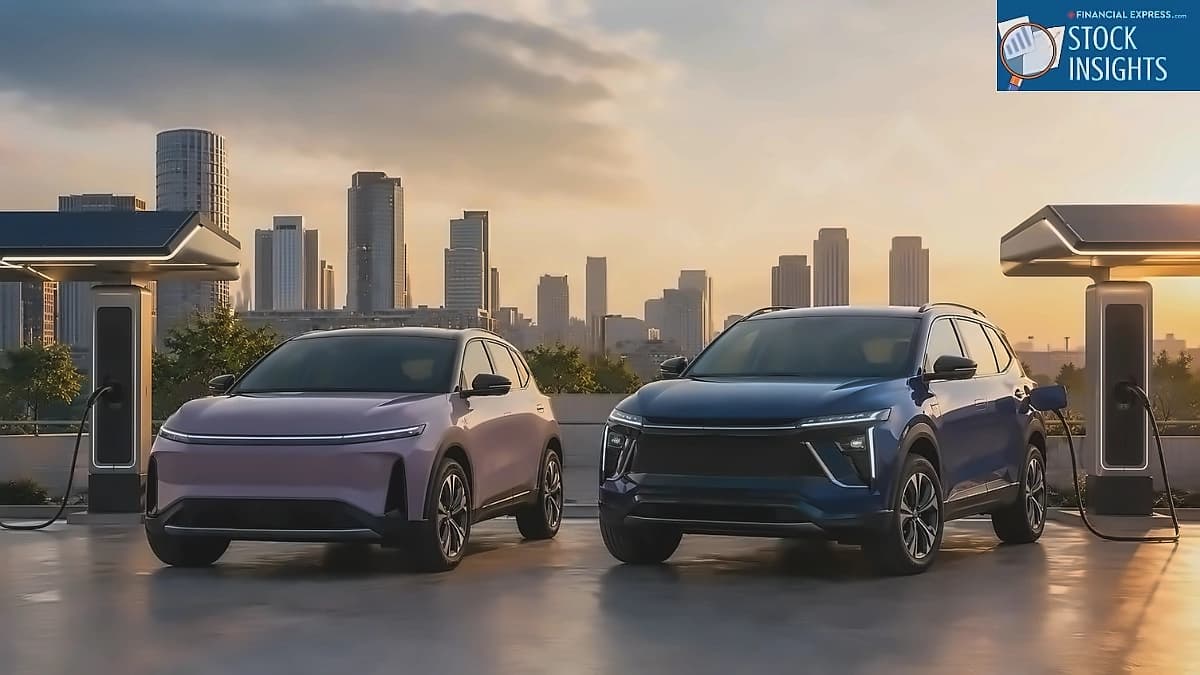
Tata Motors Passenger Vehicles (TMPV) commands a 39% EV market share and recorded its highest-ever domestic wholesale volume of 6.3 lakh units in FY26, up 14% year-on-year, as reported by The Financial Express. The company's EV business generated ₹13,410 crore revenue with a net profit of ₹774 crore during the year. At its investor day on Tuesday, the company outlined ambitious growth targets, expecting electric vehicles and CNG models together to account for 45% of India's passenger vehicle market by FY31. TMPV sustained its market leadership with domestic EV wholesale volumes growing 45% year-on-year to 89,393 units, while the company plans to launch five new EV models by FY30 to expand its current portfolio of six models. The company is targeting 30% EV penetration in its passenger vehicle portfolio and a 25% share of the CNG segment, with EV growth supported by improving customer acceptance, wider charging infrastructure and tighter regulatory requirements. The company is set to launch the Sierra.ev on June 30, followed by the Safari.ev in September, while the Avinya premium EV is expected within the next year.
Tata Motors has urged the Centre to revise draft CAFE norms, warning that the proposed credit mechanism could make non-compliance cheaper than cleaner technology investments. According to a July 14 letter sent to the Power Ministry and Bureau of Energy Efficiency, the company's strongest objection relates to the pricing of credits sold by BEE. Clause (f) of the draft notification allows manufacturers with debit balances to purchase credits directly from BEE at ₹2,500 per gram of CO2/km, while non-compliance with the Energy Conservation Act works out to nearly ₹5,000 per gram of CO2/km. The company argues that such a structure could fundamentally alter PV manufacturers' investment decisions, stating that if the cost of modifying products is higher than ₹2,500 per gram CO2/km, it becomes cheaper to buy credits than comply. Tata Motors also opposes BEE's proposed dual role under the draft mechanism, arguing that combining the roles of regulator, market administrator, price-setter and seller could undermine market confidence. The company instead proposed that manufacturers exceeding targets should trade credits directly with those facing compliance gaps, allowing market-based price discovery while preserving the regulator's neutrality.
Mahindra & Mahindra sold 305.2% more E4W in FY26 at 57,472 units, according to The Financial Express reports, with EV penetration within M&M's SUV portfolio reaching 9.6% in Q4 FY26. The company became the number-one player in the EV segment by revenue market share for the entire year, finishing Q4 at 37.7%. M&M's EV business recorded revenue of ₹14,423.5 crore, accounting for 9.8% of M&M's FY26 revenue, and became EBIT-positive during the year with a positive PBIT of ₹287 crore. Despite being among the pioneers of mass-market EVs globally with the Leaf, Japanese carmaker Nissan remains cautious about introducing electric vehicles in India, with Massimiliano Messina stating the company doesn't think the Indian market is yet mature enough for EVs, though they have the technology to fulfill customer needs.
Tata Motors expects annual EV passenger vehicle sales to reach 10-11 lakh units by FY31, about 5x FY26 levels, which would bring EV penetration to 15-20% of the Indian passenger vehicle market, according to The Financial Express. The company plans to launch five new EV models by FY30, with the recently launched Sierra.ev in Q1FY27. Tata Motors PV also plans to increase EVs to over 30% of its volumes and expand its electric portfolio from six models to 10 by FY31, with annual volumes expected to more than double to over 12 lakh vehicles by FY31 from about 6.4 lakh units in FY26. The company expects electric and CNG vehicles to contribute most of the incremental growth. M&M aims for EVs to account for 20% to 30% of its overall SUV portfolio by 2027, while the company's commercial EV business delivered 107,157 units with revenue of ₹4,798.3 crore. The company expects India's passenger vehicle market to grow to 6.4 million units by FY31 from 4.7 million units in FY26. The Indian auto component industry reached a historic turnover of ₹7.6 lakh crore ($85.9 billion) in FY26, registering 12.7% year-on-year growth, though it slipped back into a trade deficit of $1.37 billion as imports grew faster than exports, with China's share of component imports increasing to 36% from 32% in FY25.