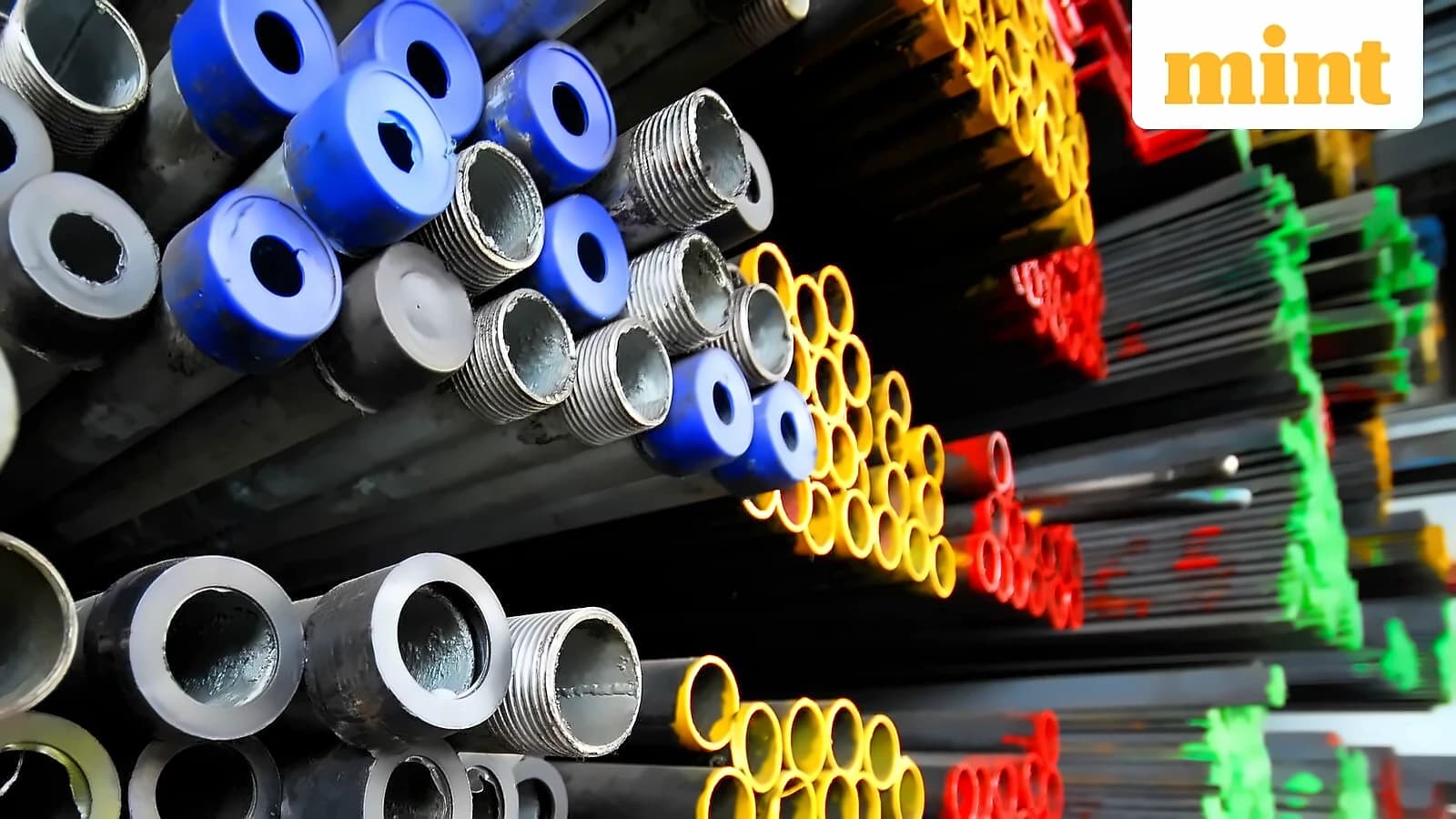
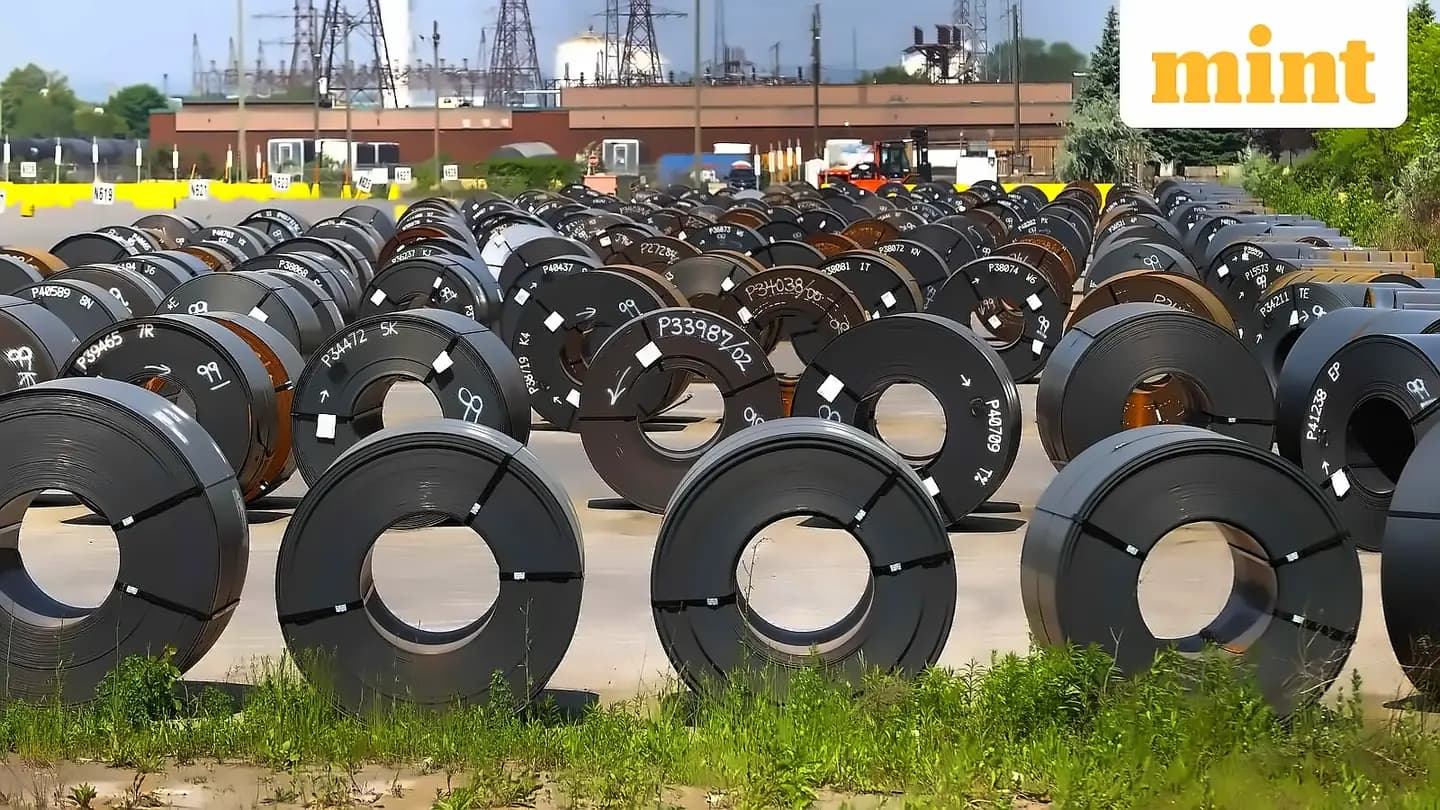
India's steel import momentum has accelerated significantly, with finished steel imports rising 45% year-on-year in the first two months of FY27 to 1.368 million tonnes, outpacing a 27.4% rise in exports to 0.977 million tonnes, according to Mint reports. The import momentum accelerated through the period, rising from 31% growth in April to 63% in May, as reported by Elara Securities. This surge is primarily driven by Indian pipe manufacturers securing larger volumes of specialized steel inputs to meet overseas contracts for oil, gas and water pipeline networks across West Asia. As Dhruv Goel, chief executive of BigMint, explains, Indian pipe producers continue to rely on steel imports from China, Japan and South Korea for certain critical-grade products used in oil and gas pipelines, as these grades are either not produced domestically or have not yet received required certifications from end users.
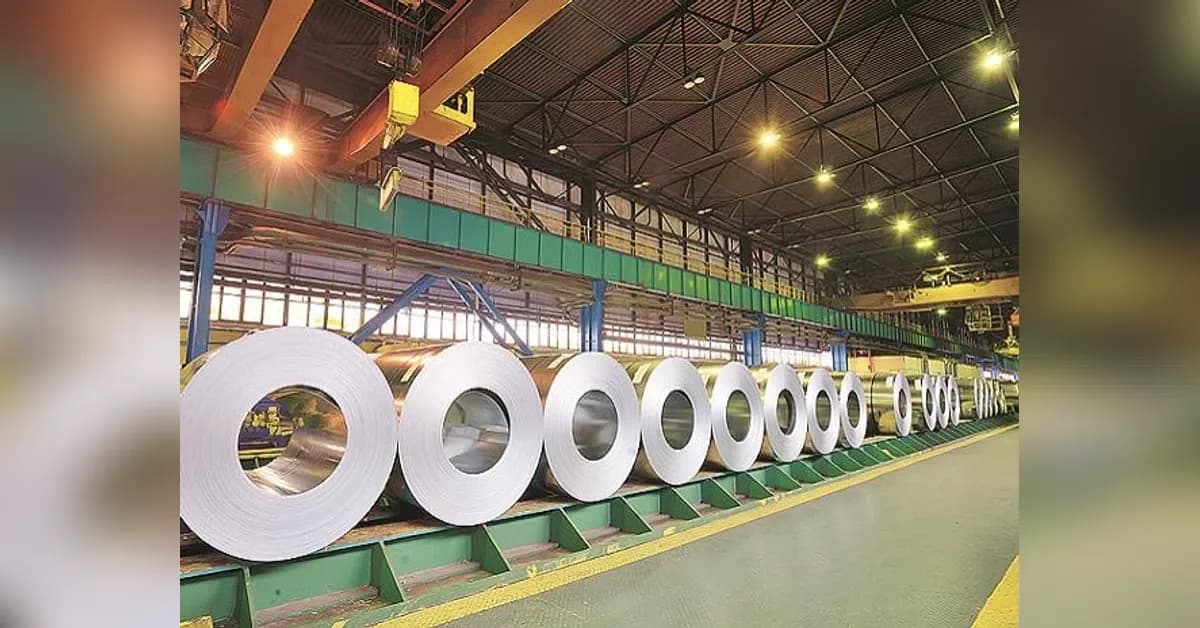
The German steel industry is experiencing a 5% decline in scrap consumption in 2025, with steelworks consumption falling to around 12 million tonnes and foundries dropping by 7.9% last year. According to the BVSE interview, this decline is closely linked to production volumes and reflects broader challenges in the European steel market. The energy crisis linked to the Middle East conflict has driven up energy and logistics costs, which scrap processors must cover themselves, along with expenses from additional regulations such as the Waste Shipment Regulation and the Digital Waste Shipment System. Supply chains are disrupted by increasingly frequent crises, leaving the economy with little time to recover, particularly hard on Germany's SME-based system.
A wave of pipeline construction across West Asia, driven by energy security concerns, is reshaping demand for industrial steel products. Executives at pipe makers such as Welspun Corp and Jindal Saw say countries in the region are expanding oil, gas and water pipeline networks as they seek to reduce vulnerability to energy disruptions and maritime choke points. Welspun Corp managing director Vipul Mathur said during an earnings call last month that the company sees a 'very strong tailwind' from the US and West Asia. Jindal Saw's president and head treasury, Vinay Gupta, told analysts in April that he expects significant investment in both replacement and new pipeline infrastructure for oil, gas and water networks. This pipeline investment is creating an unusual trade loop, where rising exports of steel pipes are driving up imports of specialized steel inputs needed for manufacturing.
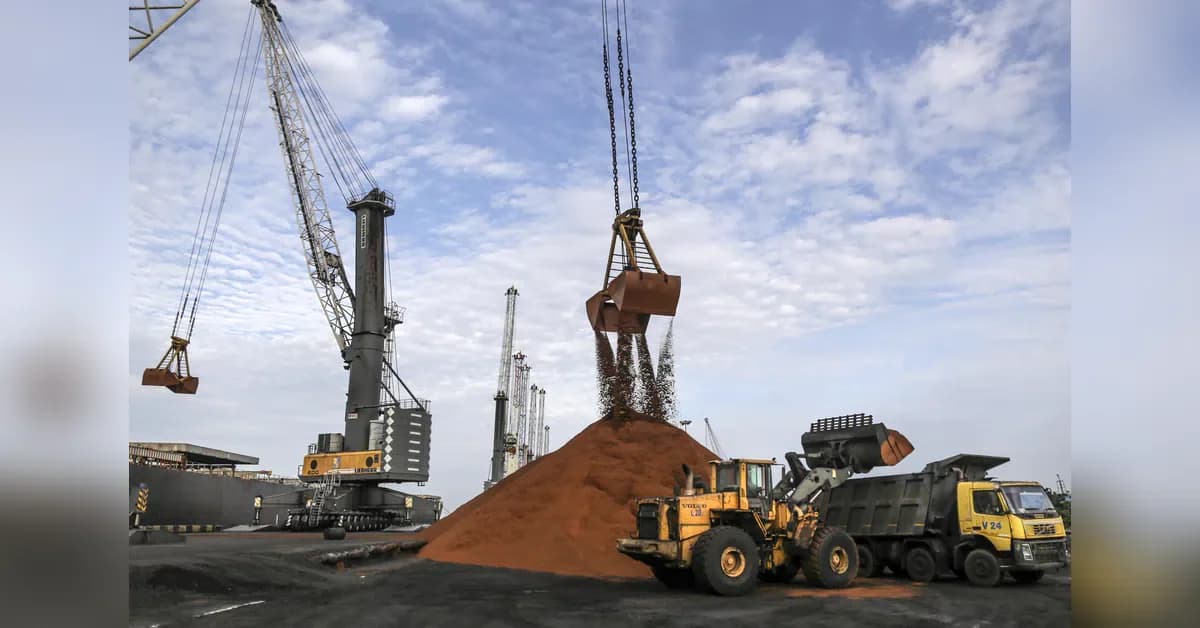
Iron ore prices continue to hold above US$100/t, though they have softened marginally from recent highs, with higher freight costs linked to energy shock providing support. As reported by Westpac Banking Corporation, Australian iron ore prices increased 2 per cent month-on-month and 12 per cent year-on-year, while Australian coking coal prices are up 3 per cent month-on-month and 24 per cent year-on-year due to supply disruptions after a mine accident in China took 60 million tonnes per annum off the table. The Shanxi mining disaster has further lifted coking coal prices and compressed steel mill margins, with lower grade ores particularly vulnerable. The medium-term outlook is increasingly challenged, with surplus conditions expected to emerge as supply side pressures build from new low-cost output.
Domestic demand saw 8-9 per cent volume growth YoY in May 2026 and similar growth in the year to date in CY26. According to Business Standard, this follows 7.6 per cent YoY volume growth in FY26 after four successive years of double-digit volume growth. Unlike China's property-driven boom, India's demand will stem from infrastructure, manufacturing, and urban development, creating a more gradual but sustainable growth trajectory. Exports rose 30 per cent YoY to 0.5 million tonnes, but were outpaced by imports of 0.7 million tonnes in May 2026, with much of the imports believed to be discounted distress sales of cargo originally headed to the Middle East. The outlook is increasingly bifurcated, with pipe manufacturers benefiting from stronger international demand for pipeline infrastructure, while the broader steel industry faces pressure from elevated imports alongside steady Chinese exports.
Domestic crude steel production in India was up 5.8 per cent YoY to 14.1 million tonnes, but down 10 per cent month-on-month. As reported by Business Standard, India's finished steel production was 13 million tonnes, up 3.4 per cent YoY, and finished steel consumption was 13 million tonnes, up 8.1 per cent YoY. Domestic capacity utilisation may stay above 90 per cent, and if demand compound annual growth rate stays at a conservative 7 per cent, demand will outrun capacity additions over the next 2-3 financial years. The steel ministry is lobbying for removal of coking coke import duty due to tight domestic supply, which could add a further layer of protection to margins. Despite negative sentiment and foreign investor selling, Indian equities are showing signs of building a base, with a breakout above 24,500 on the Nifty potentially signaling a move towards new highs.