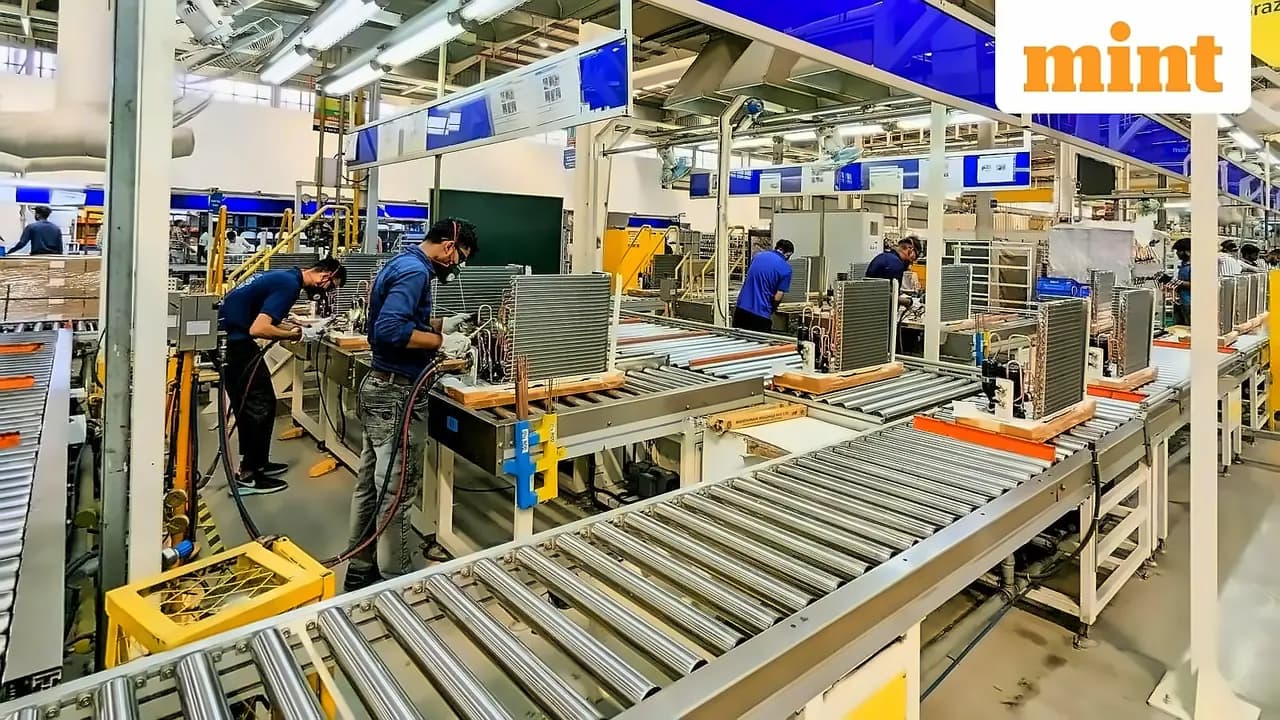
Indian manufacturers are redesigning products across multiple sectors to enhance climate resilience as temperatures continue to rise. According to reports from Mint, B. Thiagarajan, managing director of Mumbai-based AC maker Blue Star Ltd, stated that "New designs are being attempted, as higher temperatures are recorded every year. The attempt is to make the machine more reliable, while conforming to energy efficiency standards." This shift reflects the growing need for climate-resilient manufacturing as India faces increasing extreme weather events. The initiative comes as global supply chains face unprecedented disruptions, with the World Bank Group's Global Supply Chain Stress Index recently reaching its highest level since 2022, underscoring how fragile global trade remains.
The global fashion sector is increasingly recognizing the impacts of extreme temperatures across supply chains. The American Apparel and Footwear Association, representing more than 1,100 companies including Ralph Lauren Corp. and Levi Strauss & Co., issued new guidelines on heat stress in April, urging brands to share responsibility with suppliers. In India, 87% of garment workers had experienced heat-related illnesses in the past 12 months, according to a February study by HeatWatch and the Tata Institute of Social Sciences. The analysis of 23 major global production hubs found that over the past two decades, roughly three-quarters of locations had experienced a 10% or more increase in days with temperatures above 35°C.
The ice cream manufacturing sector has implemented significant technological changes to address climate challenges. According to Mint, Charanjit Singh Basant, managing director of Ludhiana-based Basant Ice Cream and Foods Pvt. Ltd, explained that "Ice cream manufacturers are using hardening tunnels to quickly freeze products to below -30°C. Retailers, meanwhile, are replacing conventional freezers with glycol freezers that use a glycol-water mixture to maintain temperatures ranging from -18°C to -48°C." While these machines cost around ₹2-3 crore for a hardening tunnel, the increased production capacity helps lower overall costs and maintain competitive pricing.
The automotive sector faces unique challenges from extreme temperature conditions. As reported by Mint, V.K. Misra, technical director at New Delhi-based JK Tyre & Industries Ltd, noted that "Road surface temperatures often exceed 60°C during peak summer, even when ambient temperatures are around 40-45°C, placing tyres under significantly higher thermal stress." This phenomenon has accelerated innovation in material science, advanced compound technologies, tread design and validation processes. The India sold a record 14 million ACs in 2024, adding to growing power grid strain as peak electricity demand reached 250GW.
Industry experts emphasize the critical need for climate-resilient infrastructure development. According to Mint, Amit Tripathi, director at Dravya—the IIHS Centre for Materials and Sustainable Development, highlighted that manufacturers must re-engineer power-sector infrastructure products such as transformers, cables and substations. India's power system includes 500,000 circuit kilometres of transmission lines and 1,407 Gigavolt-Amperes (GVA) of transformation capacity, supplying electricity to over 35 million households. Kamal Nandi, business head at the appliances business of Godrej Enterprises Group, stated that "Climate resilience is not just good to have now, but a must-have consideration in product innovation strategy."