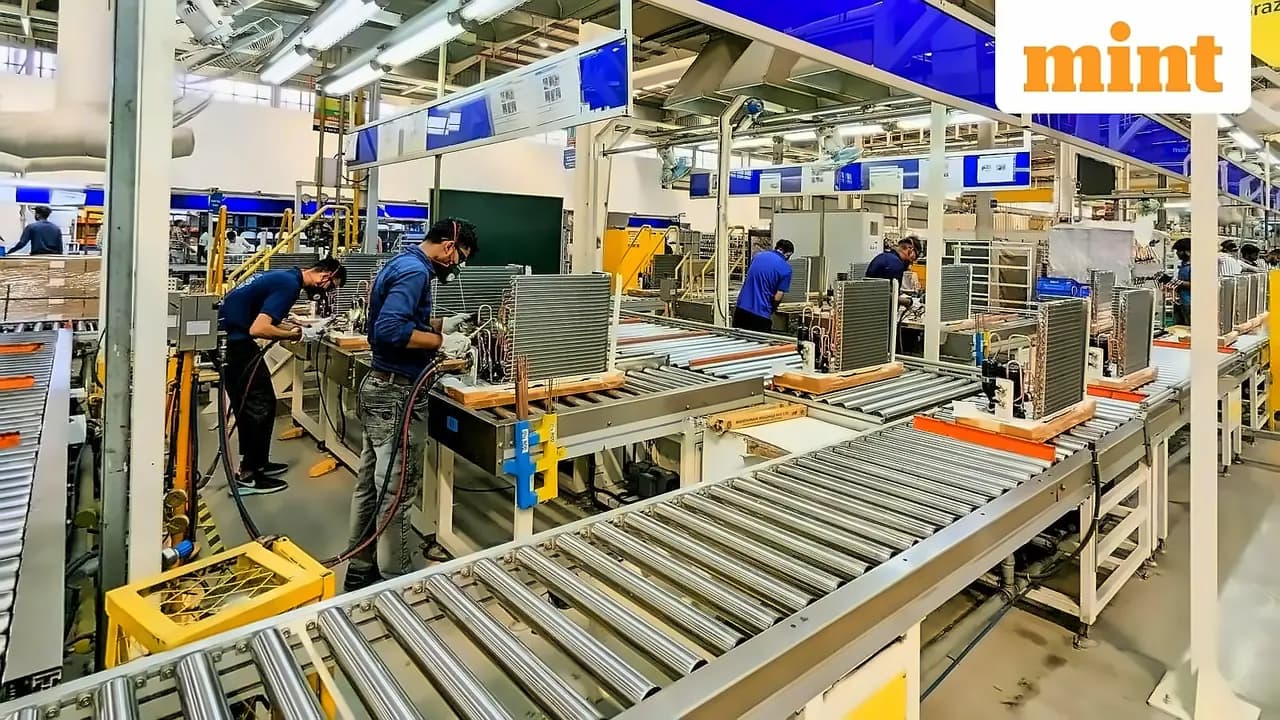
The circular economy has evolved from a corporate buzzword to a strategic necessity as companies face mounting cost pressures. According to reports from Mint, executives from packaging, fashion, electronics and infrastructure industries now emphasize that circularity succeeds only when it creates commercial value. Speaking at the Mint Sustainability Summit 2026, industry leaders highlighted how volatile macroeconomic conditions have made traditional business models unsustainable, forcing companies to rethink their approach to waste management and resource recovery. The concept has evolved as a transformative framework that challenges the linear "take, make, dispose" model by promoting closed-loop systems where resources are continuously reused, remanufactured, or recycled, aiming to decouple economic growth from resource depletion by maintaining the value of materials and products within the economy for as long as possible.
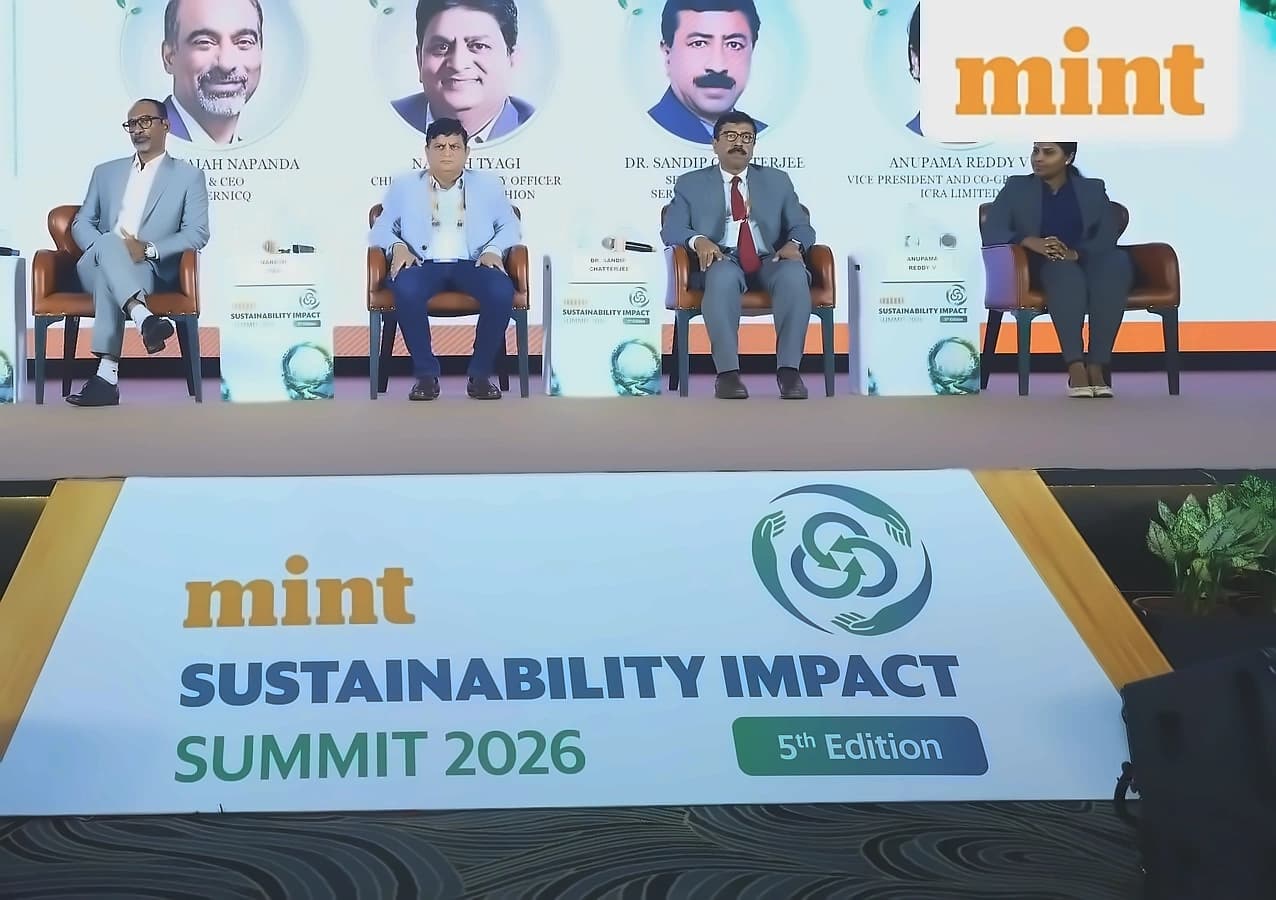
The fashion industry has demonstrated significant progress in reducing packaging waste while maintaining commercial viability. As reported by Mint, Aditya Birla Fashion substantially reduced packaging from 185 grams per shirt to 62 grams over nearly a decade. Naresh Tyagi, chief sustainability officer at Aditya Birla Fashion, explained that this reduction eliminated unnecessary plastic waste while achieving significant cost savings. The company's approach focuses on 'design for recyclability' so products can be converted back into the same materials after use, creating a closed-loop system. Circular economy education (CEE) is increasingly recognised as a key enabler in developing the skills, values, and mindsets required for systemic change, encouraging interdisciplinary learning that connects environmental, social, and economic systems while promoting innovation and collaboration across sectors.
India's electronics sector presents significant opportunities for circular economy practices, though current recovery methods remain inefficient. According to Dr. Sandip Chatterjee, senior adviser at Sustainable Electronics Recycling International (SERI) and former secretary at the ministry of electronics and information technology, India's rapidly expanding electronics market produces millions of tons of electronic waste each year. However, the informal sector currently loses 70% of high-value materials due to inefficient recovery methods. Chatterjee emphasized that greater investment in repair and refurbishment could unlock significant value without requiring large capital expenditure, as smartphones and laptops often reach the end of their first ownership cycle years before becoming technologically obsolete. The battery recycling sector is projected to grow at 26% annually, with end-of-life lithium-ion battery availability for recycling rising from 19 kT in 2023 to 233 kT in 2035.
Construction companies are increasingly adopting circular practices as cost management becomes critical. As reported by Mint, Anupama Reddy V., vice president and co-group head at Icra Ltd, noted that industrial byproducts are increasingly becoming mainstream inputs for construction materials. In the highway and real estate sectors, circular economy practices are no longer optional but essential for cost management. The exchange of waste materials allows one industry's waste to become another industry's raw material, reducing disposal costs and lowering dependence on virgin resources. Key materials include fly ash from thermal power plants and slag from steel production now widely used in cement manufacturing. Education initiatives are developing more slowly but show promise in vocational training, STEM based programmes offered in higher education institutions and university-industry partnerships that bring real waste-management problems into curricula.
Industry experts emphasize that successful circular economy implementation requires a shift from compliance to commercial value creation. According to Mint reports, Thimmaiah Napanda, managing director and chief executive of Alternicq, India's largest plastic packaging producer, stressed that 'the circularity will not work unless there's value or an economy collecting and using the waste'. The discussion revealed how companies across sectors are improving profitability and efficiency through environmentally responsible practices, with experts agreeing that circularity should be viewed as a tool for improving competitiveness rather than a regulatory requirement. Circular economy education encourages interdisciplinary learning that connects environmental, social, and economic systems while promoting innovation and collaboration across sectors, empowering learners to understand the entire lifecycle of products from design to end-of-life and make informed decisions that minimise waste generation.
India's electric vehicle sector is embracing circular economy principles with major OEMs integrating sustainable practices across the entire vehicle lifecycle. According to ETAuto, Tata Motors, Hyundai India, and VinFast India are implementing circular economy strategies from manufacturing to end-of-life management. Hyundai India's manufacturing facilities and offices have been RE100 compliant since March 2026, while Tata Motors integrates recycled material in its new Tiago EV and Mahindra uses recycled PET material in its BE 6 and XEV 9e. The battery recycling sector is projected to grow at 26% annually, with end-of-life lithium-ion battery availability for recycling rising from 19 kT in 2023 to 233 kT in 2035. Industry experts believe this shift toward circular economy will enable sustainable EV growth as India's EV penetration reaches 8% in the passenger vehicle segment.