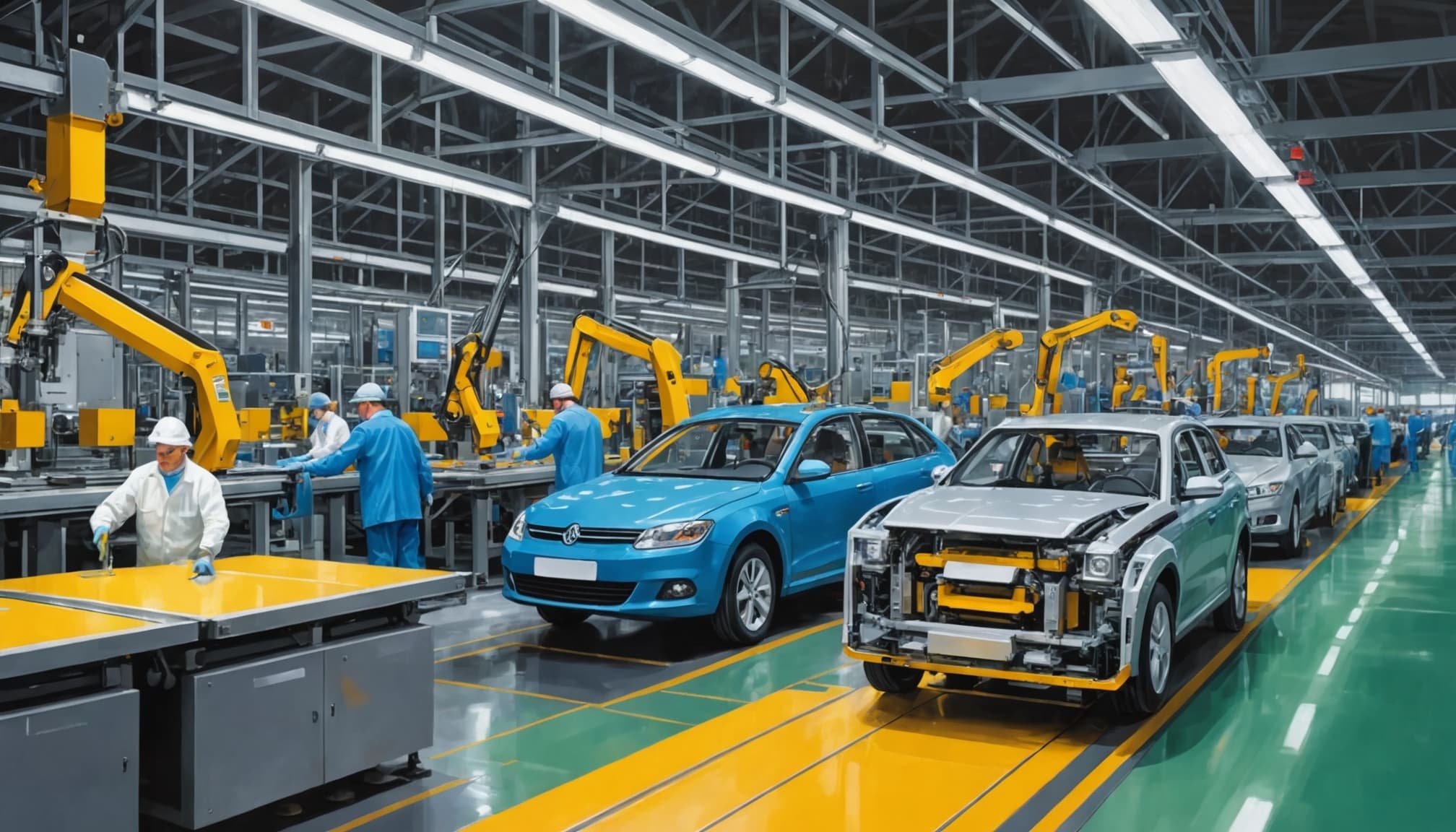
Hyundai Motor India Limited (HMIL) announced plans to invest ₹11,000 crore in phases at its manufacturing plant in Talegaon, Pune, to expand production capacity and strengthen its manufacturing operations in India. The facility was formally inaugurated on Wednesday by Maharashtra Chief Minister Devendra Fadnavis, with South Korean Ambassador to India Lee Seong-ho, Deputy Chief Minister Sunetra Ajit Pawar, Hyundai Motor Group Executive Chair Euisun Chung and other senior executives attending the event. The Talegaon plant currently has an annual production capacity of 1.7 lakh vehicles and will be expanded to 3.2 lakh units by 2030. Along with its Chennai operations, the expansion is expected to take the company's total annual manufacturing capacity in India to nearly 11.4 lakh vehicles by 2030. The plant uses advanced manufacturing technologies, including artificial intelligence-enabled production systems, digital processes and modern quality management systems, with production lines capable of accommodating multiple models including petrol, diesel vehicles, and hybrid vehicles in the future.
Hyundai Motor India CEO and Managing Director Tarun Garg announced an additional ₹4,000 crore investment in Maharashtra by 2030, bringing the total planned investment to ₹15,000 crore. The facility has already received ₹7,000 crore investment and Garg emphasized this represents direct investment by Hyundai into Maharashtra. The company is also targeting to raise localisation levels from 83% to 92% to strengthen its manufacturing footprint in the state. The investment is part of Hyundai Motor Group's comprehensive $15.5 billion investment strategy for India between 2026 and 2032, with the group looking beyond mobility as part of its investment strategy. The Pune plant houses an engine manufacturing unit with an annual capacity of 1.5 lakh engines and flexible production systems capable of supporting multiple models including ICE and hybrid manufacturing in the future.
Hyundai Motor India shares closed 0.04% higher at ₹1,965.60 on October 14, gaining ₹0.70 from the previous close following the investment announcement. The stock had earlier surged more than 2 percent in early trade on Wednesday, emerging among the top gainers on the Nifty 100 after parent Hyundai Motor Group announced its $15.5 billion investment plan through 2030. The company's market capitalisation stood at ₹1.62 lakh crore and the gains came amid a largely flat broader market, with the Sensex up 42.60 points at 73,076.38 and the Nifty slipping 2.90 points to 22,719.05, while market breadth remained positive with 1,649 shares advancing against 1,151 declining.
The inauguration coincided with Hyundai achieving cumulative exports of 4 million passenger vehicles from India since 1999, making it India's largest cumulative exporter of passenger vehicles and the first automaker in the country to reach the 4-million export milestone. The company has also sold nearly 10 million passenger vehicles in the domestic market. 55 supplier partners operating in Pune have invested nearly ₹4,600 crore in Maharashtra, with the supplier network, including Tier-I and Tier-II vendors, generating more than 18,000 jobs in the state. Nearly half of the company's supplier sourcing network is located within 50 km of the plant, helping keep suppliers close to its manufacturing operations. The facility also houses an engine manufacturing unit with an annual capacity of 1.5 lakh engines.
Hyundai is planning to launch 26 new models to support the expanded capacity as part of its strategy to regain market share. The company previously held the second position in India's passenger vehicle sales after market leader Maruti Suzuki, but slipped to fourth place in the last fiscal year. To strengthen its position in the competitive Indian automobile market, Hyundai is investing in the electric vehicle ecosystem, planning to introduce four EVs by 2029 and investing in charging infrastructure. The company is also localising the entire supply chain within battery packs, with power electronics already being localised, and has announced plans to make 50% of its portfolio sustainable by 2030. Hyundai has also announced plans to expand its hybrid portfolio and is the number one company in India to reach 4 million export landmarks, though the company remains unsatisfied and aims to increase exports further.
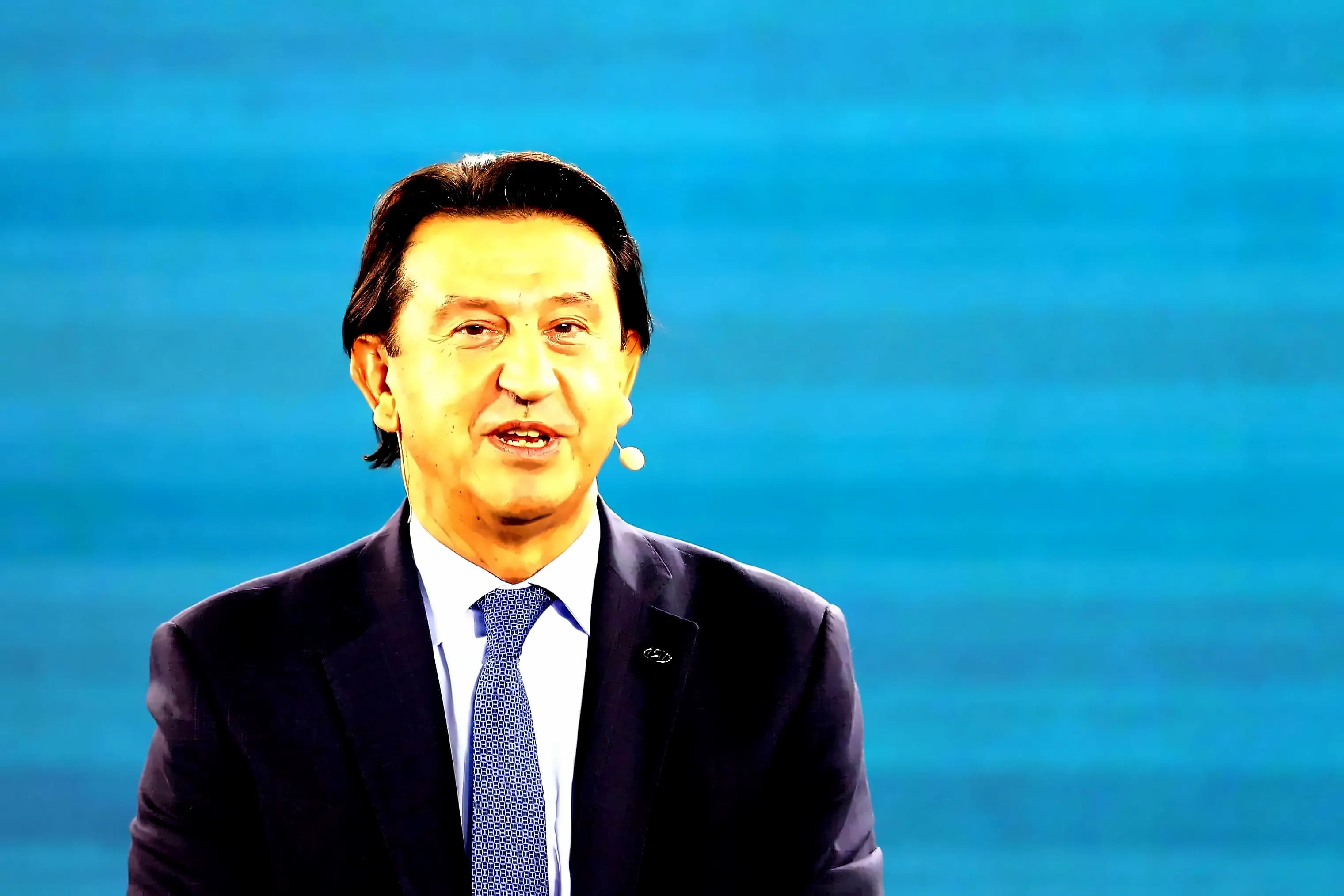
Hyundai Motor CEO José Muñoz revealed that the company's India operations serve as a blueprint for global market expansion, as reported by Business Standard. Speaking at the Bloomberg New Economy Forum 2026, Muñoz emphasized that Hyundai's experience in India, where it has built a broad business ecosystem and expanded its vehicle portfolio, is being replicated across other markets. The CEO stressed the importance of long-term strategic thinking over quarterly results when making investment decisions, noting that most competitors have reconsidered their electrification plans while Hyundai maintained its course. Executive Chair Euisun Chung stated that "India remains one of Hyundai Motor Group's most important and strategic markets globally. The past 30 years have been defined by our commitment to India. This investment reaffirms our commitment to India for the next 30 years and beyond. Through this investment, we will create more employment opportunities and work together with our partners and stakeholders to support India's continued industrial development."