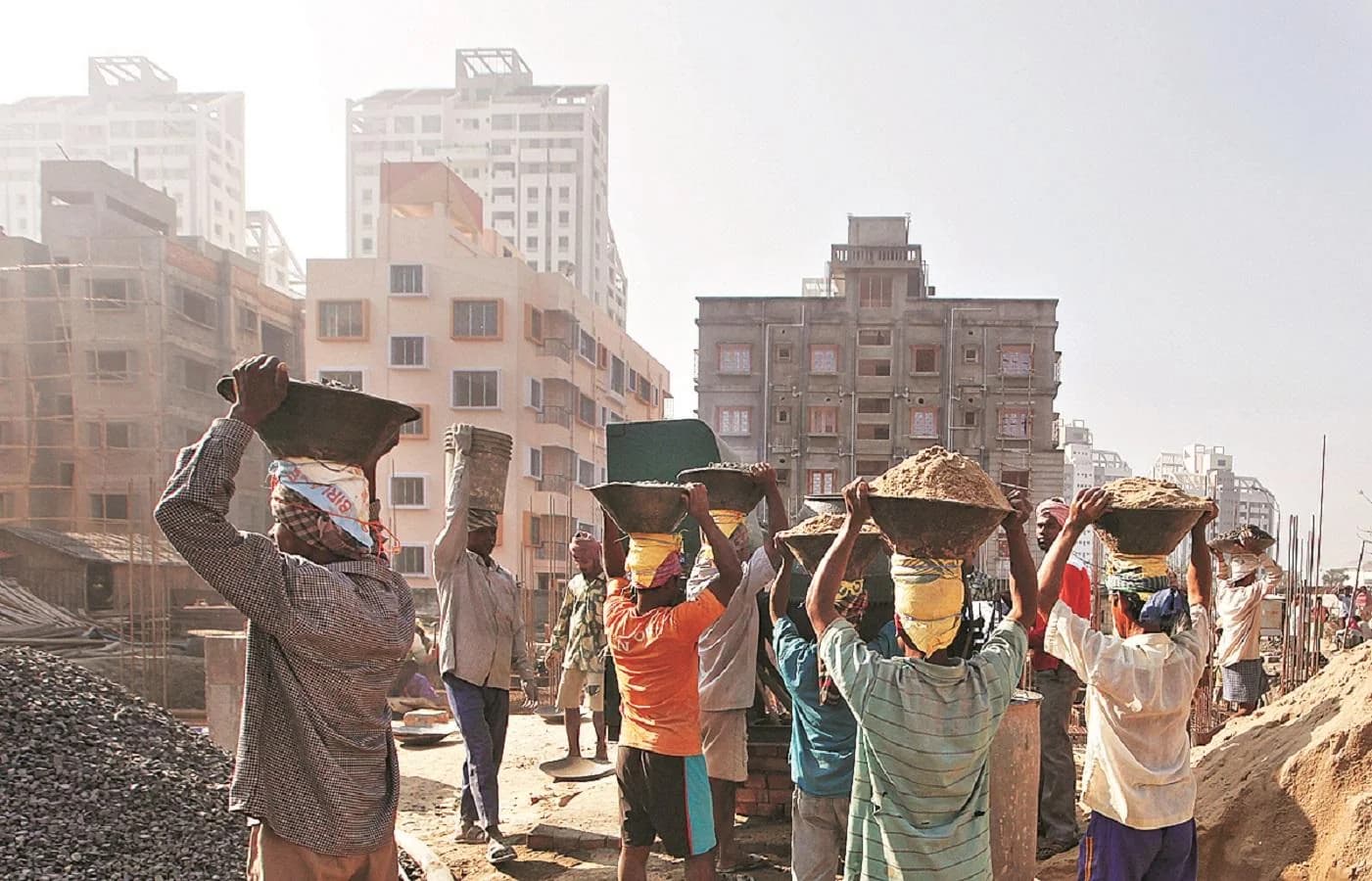
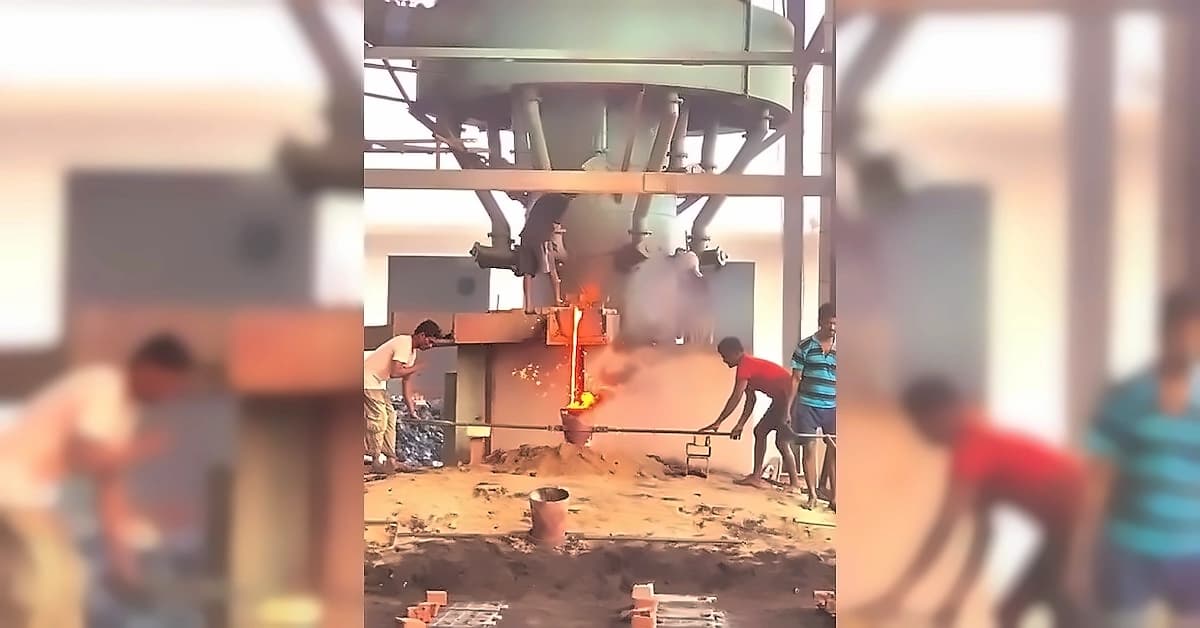
Howrah's foundry belt, located along Benaras Road about 15 km from Kolkata, remains frozen in time despite India's economic liberalisation. According to reports from Business Standard, the area houses nearly 100 units in a cluster spanning Liluah, Salkia, Benaras Road, Belgachia, Dasnagar, Baltikuri, Jangalpur and Santragachi. As reported by industry experts, absolutely nothing has changed in the core foundry area over the past three decades, with foundries gradually relocating to highway locations or the Durgapur-Asansol belt. The foundry park, spread across more than 900 acres on Ranihati-Amta Road, continues to attract new units while existing ones face pressure from residential encroachment. The Government of West Bengal describes Howrah as an engineering hub, while SAMEEEKSHA's cluster profile identifies foundry concentrations in Liluah, Salkia, Belgachia, Dasnagar, and Santragachi.
The foundry industry's struggles trace back to the Singur land acquisition controversy in 2006, which forced Tata Motors to relocate its Nano project. As reported by Business Standard, about 20% of landowners opposed the acquisition, ending the Left Front's 34-year rule and reshaping Bengal's politics. Industry leaders like Naresh Jalan of Ramkrishna Forgings, who relocated to Jharkhand in 1996, cite the business and political climate as key factors in their decision to leave West Bengal. The subsequent 15 years of Trinamool Congress rule characterized by hands-off land acquisition policies and lack of major industrial incentives kept large-scale investments away from the state.
According to Business Standard reports, the foundry industry faced decades of aggressive trade unionism that drove investment out of the state. 75-year-old Dinesh Seksaria of Govind Steel and Dinesh Brothers recalls how management spent most of their time dealing with strikes and labor issues, with police intervention sometimes required. The capital flight began with the United Front government in 1967 and continued through the Left Front era from 1977, as businesses sought safer investment environments. As reported by industry experts, the conservative approach emerged as companies avoided expansion due to labor complications, leading to slower technology modernisation and diversification into other sectors.
As reported by Business Standard, the foundry cluster employs 40,000-45,000 people directly and indirectly, with about 500 foundry and forging units concentrated in Howrah. However, 95% of these units are concentrated in the traditional cluster, while only 20% serve export markets. Industry leaders like Vijay S Beriwal of Vidit Group highlight that Howrah continues to export sanitary castings as it did 60 years ago, missing opportunities for higher-margin, technologically advanced value-added industrial castings. The broader ecosystem, including ancillaries, supports nearly 90,000 livelihoods, but the cluster lacks the OEM presence needed to anchor a comprehensive supplier ecosystem. According to recent analysis, Howrah's export challenge lies not in product discovery but requires technology upgrading, energy efficiency, quality certification, and access to higher-value buyers. The cluster's Revealed Comparative Advantage (RCA) may not accurately reflect its actual comparative advantage, requiring identification of organic capabilities in terms of labour, physical capital, natural capital, and technology to optimally align exports with these capabilities.
With the Bharatiya Janata Party forming the government in West Bengal after recent assembly elections, some industry leaders express optimism about potential revival. As reported by Business Standard, Naresh Jalan of Ramkrishna Forgings confirms the state is back on the company's radar for a large export-oriented unit, though decisions depend on land availability and government incentives. Dinesh Seksaria notes that psychological barriers to investing in the state have been removed, while Vijay Beriwal suggests the cluster could regain its lost glory under the 'double-engine' dispensation at the Centre and in the state. The foundry industry, which started during the mid-19th century and gained momentum following Independence, now awaits whether it can capitalise on the current political climate for industrial renewal. The policy agenda requires linking ODOP, district export plans, central schemes, and industrial policy to evidence from actual trade data to consolidate relative comparative advantages and make exports more resilient and valuable by addressing specific bottlenecks.