Haleon, the maker of sensitivity toothpaste Sensodyne, has announced a ₹2,000 crore investment to establish its first oral health manufacturing plant in India. According to reports from The Economic Times, the facility will be located in Pithampur, Madhya Pradesh, next to Indore, and is scheduled for completion within the next three years. Kedar Lele, president of Haleon Indian Subcontinent, confirmed that the total investment of ₹2,000 crore (£175 million) will be funded entirely by Haleon India through the company's reserves and existing cash reserves. As reported by The Economic Times, this represents the company's largest investment in India to date and marks a strategic shift away from contract manufacturing. Brian McNamara, chief executive of parent entity Haleon plc, stated that the investment will strengthen the company's supply chain, increase supply chain resilience and agility, reduce import reliance, and enable faster response to local market needs. The plant will not only serve India but also export products to other Asian markets over time.
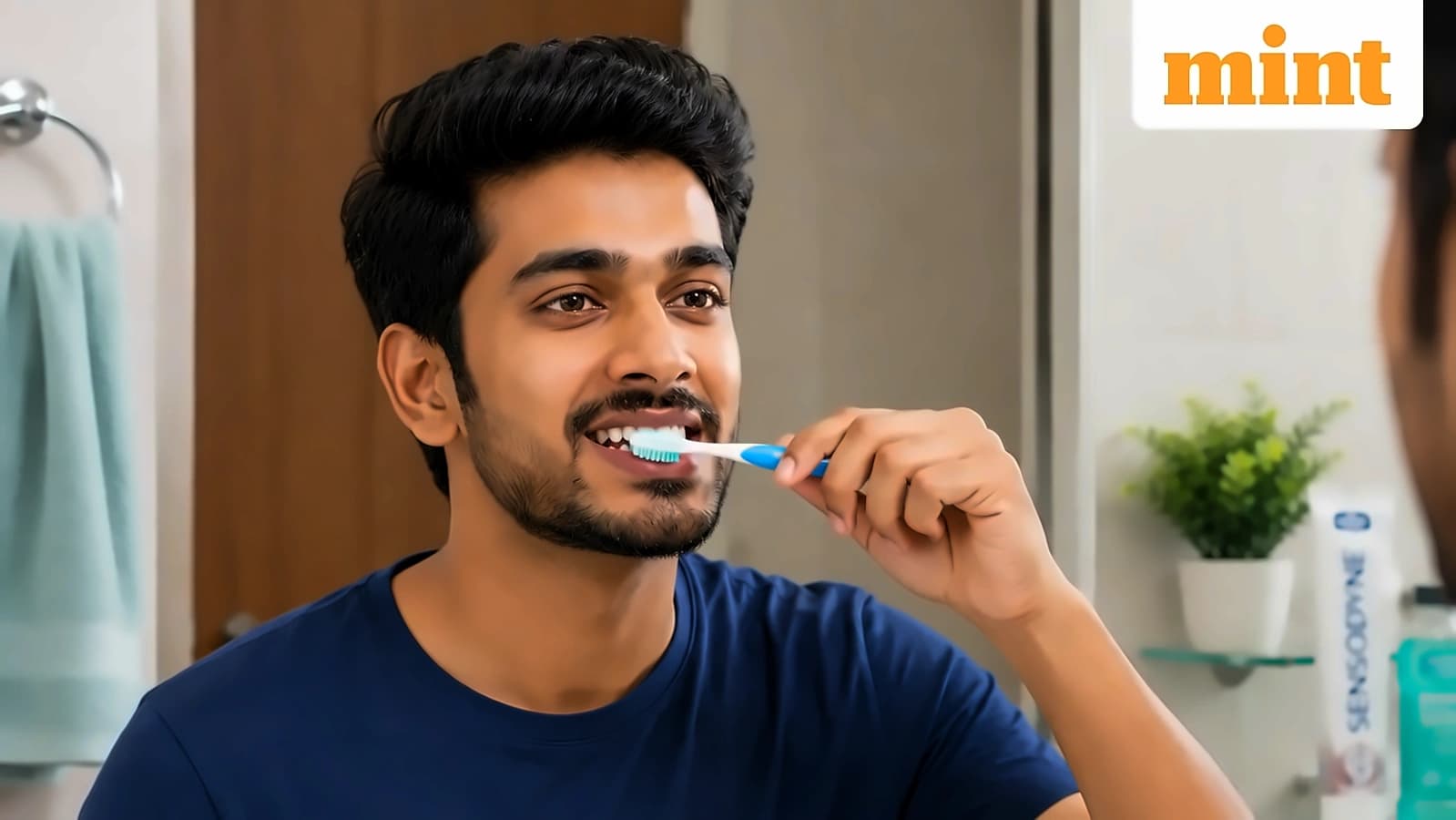
As reported by The Economic Times, India has emerged as Haleon's second-largest oral care market globally and one of the fastest-growing markets for Sensodyne. Brian McNamara, chief executive of parent entity Haleon plc, stated that oral health in India represents a £1.8 billion category, with Haleon currently holding a 71% share of therapeutic oral health. The company plans to reach 300 million more consumers in India by 2030 as part of its global expansion strategy. McNamara emphasized that India is now the company's number-two market globally for oral care and one of the fastest-growing markets for Sensodyne, with the company targeting to become one of the top three or four markets globally over the coming years. The investment comes at a time when India's consumer healthcare market is projected to reach over $23 billion by 2030, with emerging markets representing 35% of the portfolio but driving over 50% of growth.
According to The Economic Times, Haleon has previously manufactured its products through third-party contractors in India, but this investment represents a strategic shift toward direct manufacturing. Kedar Lele, president of Haleon Indian Subcontinent, explained that the investment will strengthen the company's supply chain, increase supply chain resilience and agility, reduce import reliance, and enable faster response to local market needs. The company also markets the gum-care brand Parodontax locally within the oral health segment. As reported by The Economic Times, the investment reflects Haleon's conviction in the Indian market and the tremendous potential it sees in this market. Lele added that while this facility will make operations self-sufficient for India, it also expects the facility to become a key part of the global manufacturing network.
As reported by The Economic Times, Haleon delivered organic revenue growth of 3% to £11 billion in 2025 and is prioritizing higher-growth segments and markets such as India. The company is investing in advertising and promotions to educate consumers, increasing R&D investment in India to meet consumer needs, and remains open to bolt-on mergers and acquisitions. McNamara stated that the company is very open and willing to do bolt-on M&A where it makes sense, with priority on higher-growth categories and markets like India. Haleon is also evaluating plans to bring more international products to India, including Centrum Nutrient Replenish, a multivitamin for GLP-1 users that has found success in the US market. The company believes these products have scope beyond the US as cheap GLP-1 products flood the Indian market. Meanwhile, Haleon has been focusing on expanding accessibility through popular price points such as ₹20 for Sensodyne, with 20% of Haleon's toothpaste volume and close to half of its growth coming from this price point. The company is also scaling up affordable formats including 10-rupee packs for Centrum and Eno.
According to The Economic Times, the Indian toothpaste market includes international and domestic giants, with Colgate Palmolive reporting flat revenue year-on-year at ₹5,984 crore in FY26. Dabur's Red is rapidly gaining market share, while Hindustan Unilever sells Closeup and Pepsodent. The sector benefited from the GST reduction on toothpaste from 18% to 5% last year, though it faces commodity and currency headwinds from the West Asia conflict. Sensodyne was introduced in India in 2011, and Haleon India Pvt Ltd was carved out from GSK and Pfizer in 2022, housing other well-known brands such as Eno, Iodex, Otrivin, and Centrum. Asked about the impact of the West Asia conflict on consumer sentiment, McNamara noted that the company's investment decisions are based on medium and long-term growth prospects, with rising affluence, urbanisation and digital acceleration among key growth drivers in India.