German automakers are experiencing significant challenges in China, with BMW, Volkswagen, and Porsche reporting second-quarter sales declines of at least 30%, worse than the overall market's drop. According to reports from Bloomberg, Mercedes-Benz sold only 1,153 units in China in the first half, a fraction of the more than 80,000 similarly priced SU7 sedans that Xiaomi Corp. delivered during the same period. The struggles extend beyond China, with Tesla delivering just 45,239 vehicles in the UK in 2025, representing a 9% fall from 2024 and 6% decline in revenue to £1.83bn. The performance echoes broader struggles across the German automotive sector, with BMW slashing its projected carmaking margin to as low as 1% due to the China decline.
German manufacturers are struggling with pricing competitiveness in the Chinese market. As reported by Bloomberg, Mercedes built a long-wheelbase version of the CLA priced from 229,000 yuan ($33,943), roughly 40% cheaper than the European version. However, the company had to concede that competing in China would require even further price cuts that would see it lose money on almost every electric CLA sold. The CLA's sporty design targets younger customers, but according to Li Yanwei from the China Automobile Dealers Association, the car is positioned in an awkward segment where it's not the most affordable or most luxurious. In the UK market, Chinese competitors like the Jaecoo E5 starting at £27,505 significantly undercuts Tesla's £38,000 Model 3, while another Chery International SUV, the Jaecoo 7, has been nicknamed the 'Temu Range Rover' due to its striking resemblance to Range Rover at £29,000. Unlike the EU or US, the UK has chosen not to levy tariffs on Chinese electric vehicles, contributing to their rapid popularity.
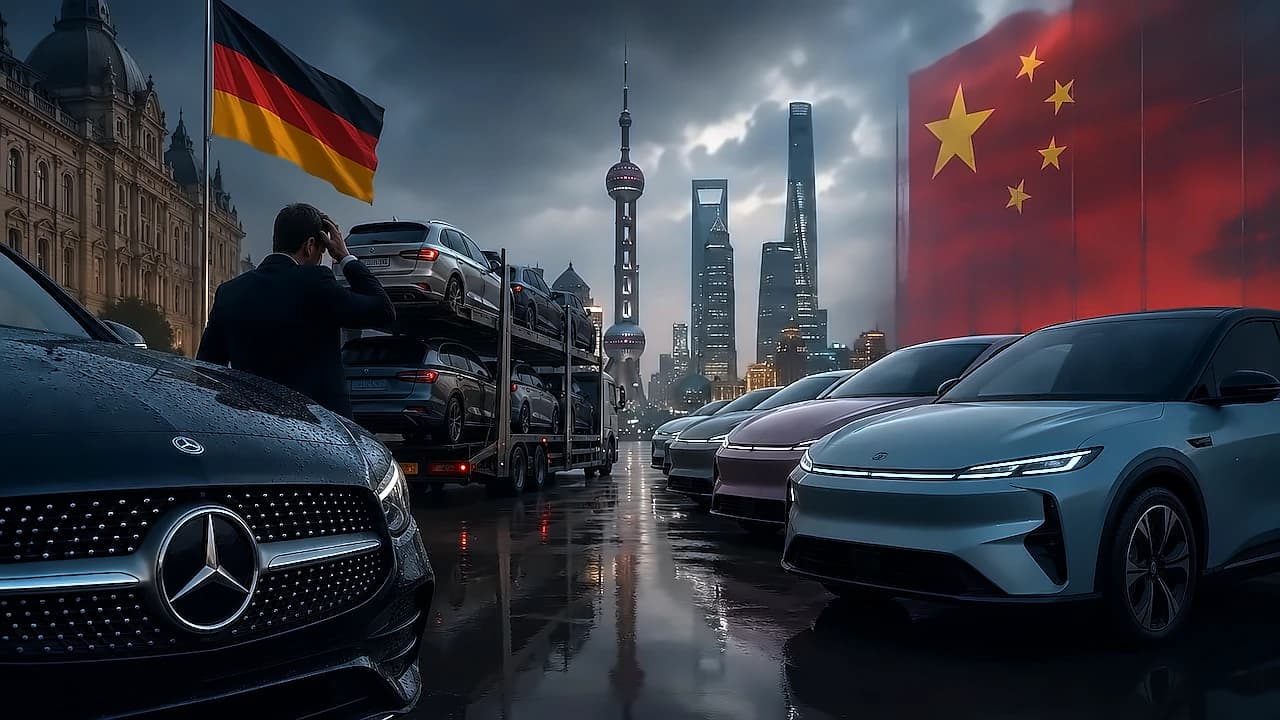
The fundamental challenge lies in technology and innovation pace. According to Bloomberg reports, German carmakers still operate on development-to-market schedules of four years or longer, while the Chinese EV market has accelerated to a pace similar to consumer electronics, with brands rejuvenating cars as fast as 18 months and having new models ready for mass purchase right off the bat. Xing Zhou from AlixPartners noted that "there's no way that this industry will go back to the old way." This speed advantage has enabled Chinese manufacturers to quickly introduce features like karaoke machines and seats that fold flat for car camping, catering to local tastes faster than German competitors. The innovation gap has been further highlighted by Tesla's pivot from EVs to autonomous taxis and AI-powered humanoid robots, with the company more than doubling capital spending on AI and robotics compared to the same period last year.
German automakers are implementing various strategies to address the competitive challenges. As reported by Bloomberg, Mercedes is focusing on sustainable growth rather than purchasing short-term market share, pointing to the electric GLC compact SUV as performing well in market feedback and pre-orders. BMW is preparing its most ambitious push in China with the first two revamped Neue Klasse models, the electric i3 sedan and iX3 SUV, with deliveries opening for pre-sales on August 21. The company has spent more than €10 billion on the Neue Klasse line, though pricing remains to be determined for competitive positioning. Tesla has struggled globally after the Trump administration cut the $7,500 tax credit for electric vehicles and dismantled EV production incentives, forcing the company to cut prices and reducing income from credits. The carmaker's profits fell 17% to $1.2bn in the second quarter as it was forced to lure customers back through price reductions.
The transformation in China's automotive market has been dramatic, with the government's push creating approximately 150 domestic car brands that produced 500 new or updated models in the first half of the year. According to Volkswagen CEO Oliver Blume, this represents what he calls "China Speed" that foreign carmakers struggle to match. The shift has starved German carmakers of returns that help fund costly car production in their home countries, with Blume stating in June that Volkswagen's business model was essentially broken. The UK market shows similar trends, with battery-electric vehicle sales rising 44.5% to a record 43,106 in July, capturing more than a quarter of the total car market for the eighth consecutive month. Managers including Mercedes CEO Ola Källenius expect the market to remain brutally competitive for years to come, as the demise of German dominance in China, which began around 2023, continues to accelerate globally.