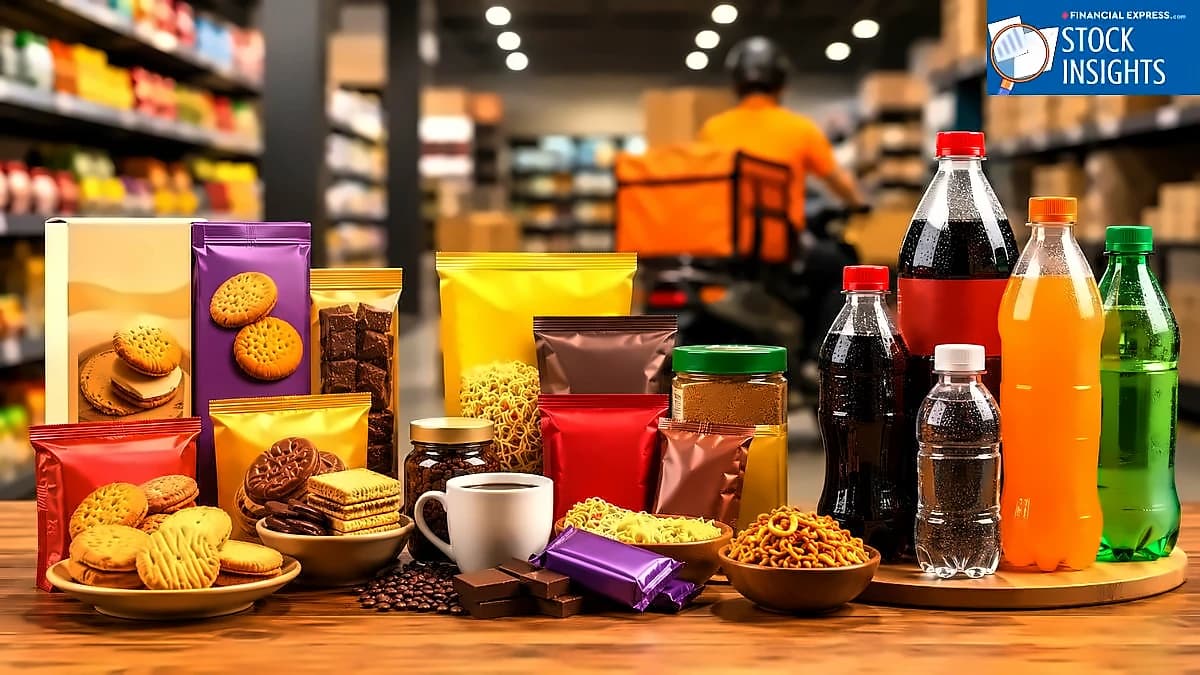
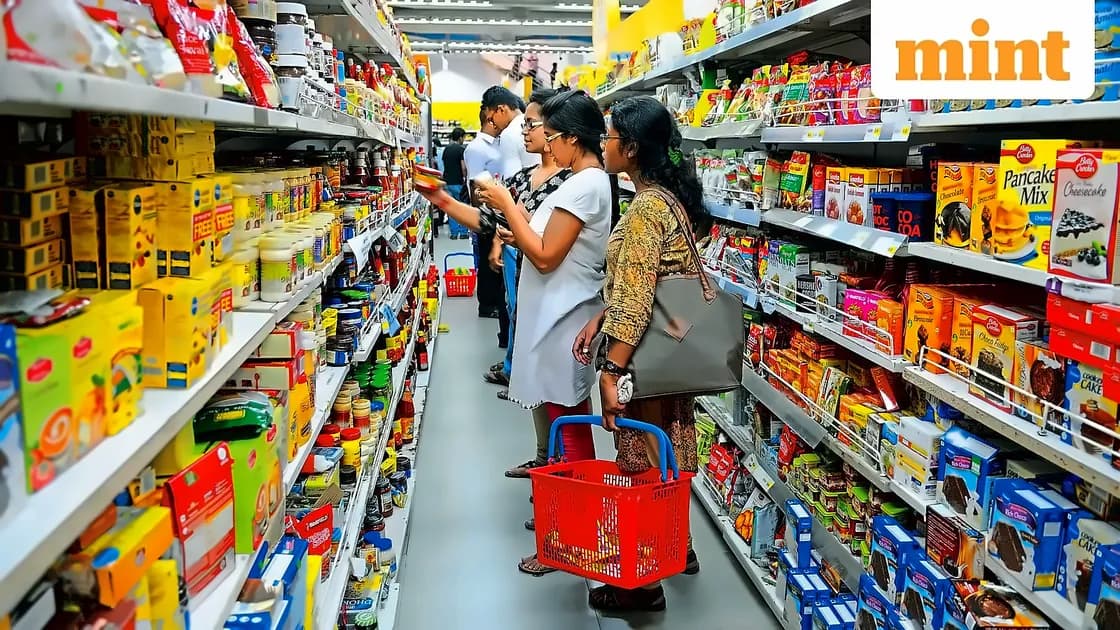
Major fast-moving consumer goods companies are preparing fresh price increases and reductions in pack sizes as rising inflation linked to crude oil, higher packaging costs, escalating fuel expenses and rupee depreciation pressure corporate margins. According to reports from PTI, several FMCG manufacturers had already raised prices by around 3% to 5% earlier in the year, with recent management commentary during quarterly earnings calls suggesting more increases are either underway or under active consideration. In addition to outright price revisions, companies are also shrinking product quantities while keeping popular price points such as ₹5, ₹10 and ₹15 intact, a strategy designed to protect affordability and maintain sales momentum in both urban and rural markets. The latest developments show companies focusing on price elasticity and internal cost efficiencies to manage rising costs, including trimming discounts, tightening inventory management, and streamlining supply chains.
Hindustan Unilever Limited, which markets brands including Surf Excel, Brooke Bond, Lifebuoy, Dove, Clinic Plus, Sunsilk and Lakme, has indicated that further pricing action may be necessary if commodity inflation remains elevated. Chief Financial Officer (CFO) Niranjan Gupta told PTI that the company has seen cost inflation of around 8 to 10% on its material cost base, against which it has already taken price increases to the extent of 2% to 5% depending on portfolio to portfolio. Gupta attributed the rise in costs to crude oil-driven supply chain disruptions and the weakening rupee, both of which are increasing input prices across multiple categories. He said the company is monitoring the situation closely and will take additional pricing measures if required.
Britannia Industries Limited, owner of Good Day, Marie Gold, Milk Bikis and Tiger, is dealing with nearly a 20% increase in fuel and packaging costs, driven largely by geopolitical developments. According to PTI, Managing Director and CEO Rakshit Hargave said the company is evaluating a combination of price hikes and grammage reductions, with larger packs, particularly those priced above ₹10, more likely to see direct price increases. Hargave said the company is favouring targeted interventions rather than broad-based increases, noting that rising laminate prices and greater dependence on LPG and PNG are significantly increasing Britannia's operating costs. The company is now considering direct price increases and grammage reduction as options to manage the cost pressures.
In the beverage segment, Varun Beverages Limited Chairperson Ravi Jaipuria said companies selling packaged water and soft drinks are responding to inflation not always by raising sticker prices, but by cutting trade discounts and promotional offers. As reported by PTI, Jaipuria noted that if gasoline prices continue to climb, the company may further trim discounts offered to distributors and retailers. Tata Consumer Products Limited Managing Director and CEO Sunil D'Souza also pointed to higher packaging and LPG-related expenses across tea, coffee and packaged foods, with the company's diversified product portfolio helping offset pressure in some categories and reducing the need for abrupt price increases.
The cost pressures are affecting companies across the FMCG spectrum, with Dabur India Global CEO Mohit Malhotra confirming they have already implemented a 4% price increase across different parts of their business to partly mitigate inflation impacts. Pidilite Industries, known for brands like Fevicol and M-Seal, is also bracing for another round of price hikes after raising prices twice this year, with Managing Director Sudhanshu Vats indicating they will continue to pass on input cost surges in a calibrated fashion. These companies are implementing various cost management strategies including calibrated price hikes, reduced grammage, and operational efficiency measures to offset the impact of crude-linked inflation, higher packaging costs, and geopolitical disruptions that have been squeezing margins across food, personal care and household products sectors. Industry leaders say gasoline, LPG, and packaging materials remain key risk factors that could influence future pricing decisions, with experts warning that the impact will likely be gradual but widespread. As per PTI, companies are expected to rely on a combination of direct price hikes and grammage reductions to safeguard margins without significantly affecting consumer demand.