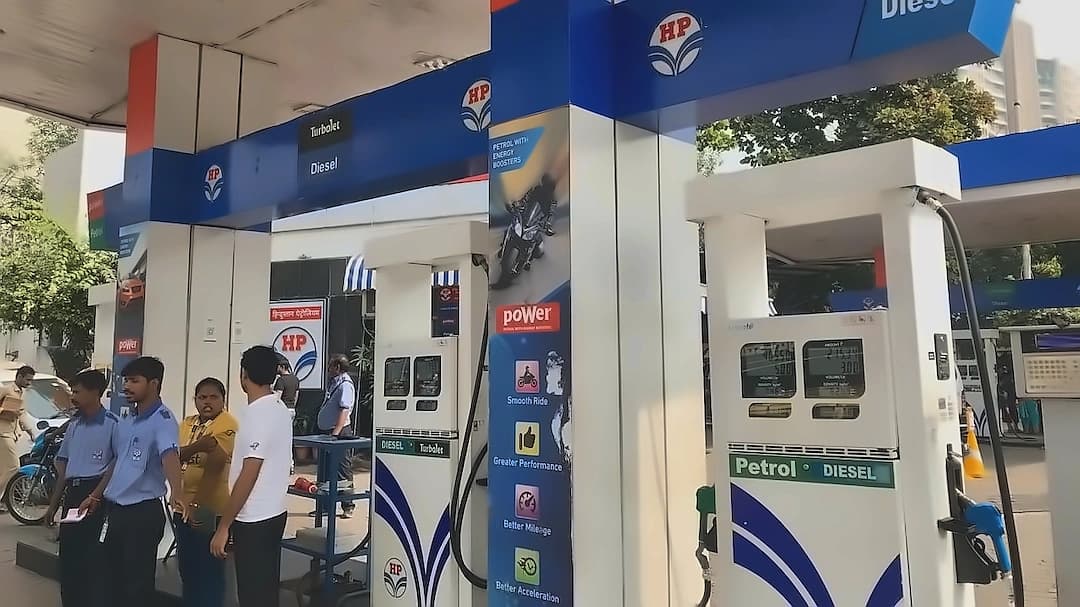
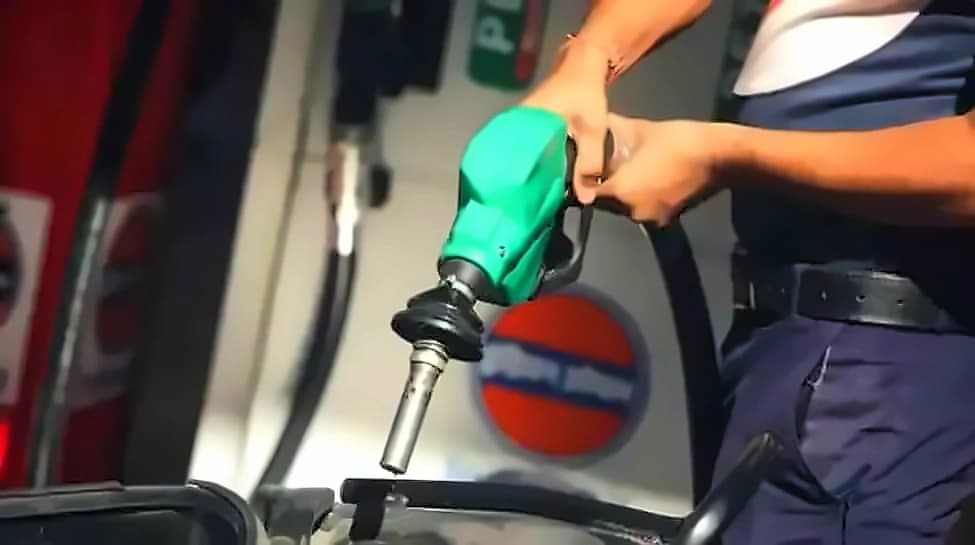
Fuel prices have been increased once again with petrol and diesel prices rising by ₹3 per litre and CNG rates going up by ₹2 per kilogram, effective from today. According to reports, oil marketing companies revised the rates citing rising international crude oil prices, fluctuations in global markets, and increasing operational costs. The latest revision is expected to impact millions of commuters, transport operators, and businesses already struggling with rising living costs. In major cities, long queues were seen at petrol pumps as people rushed to fill their tanks before the revised prices came into effect. Social media was flooded with reactions, memes, and criticism over the continuous rise in fuel costs, with transport unions and delivery workers expressing concern about the hike affecting their earnings and increasing travel expenses.
Economists are warning that fuel price increases may be far from over, with Neelkanth Mishra from Credit Suisse suggesting that fuel prices may need to rise another ₹15 per litre beyond the recent ₹3 increase. According to reports from NDTV, Mishra noted that multiple estimates suggest petrol and diesel prices may ultimately need to rise by ₹18-30 per litre for oil marketing companies to break even. The recent increase of nearly ₹3 per litre in petrol and diesel prices has provided partial relief to state-run oil retailers, but industry executives and analysts suggest that the possibility of further increases cannot be ruled out. As reported by The Times of India, Crisil estimates that state-run oil marketing companies continue to face under-recoveries of around ₹10 per litre on petrol and ₹13 per litre on diesel even after the latest increase, meaning companies are still selling fuels below their cost levels. Icra's Prashant Vasisht noted that the modest hike provides limited relief to oil marketing companies if crude prices remain elevated at $105-110 per barrel.
Recent fuel price hikes are expected to significantly impact retail inflation, with experts projecting a 15-20 basis points increase in the coming months. As reported by DBS Bank's Radhika Rao, a 3-5% increase in fuel prices could add 15-25 basis points to headline inflation, with petrol and diesel together accounting for 4.8% of the CPI basket. According to CareEdge Ratings's Rajani Sinha, retail fuel prices could directly add 15 basis points to inflation, while higher transportation, logistics and agricultural input costs may create additional indirect pressures of 10-15 basis points. India Ratings and Research warns that the actual impact on CPI inflation will be higher given the fuel price increase will affect compressed natural gas, transportation, freight, e-commerce and diesel users including coastal fishing and aqua farmers. The inflationary impact extends beyond direct fuel costs to affect the prices of essential goods across various sectors.
As reported by NDTV, global oil prices have surged by nearly $30-$35 per barrel, with Brent crude reaching over $100 per barrel from $73 since the West Asia conflict began on February 28. India imports more than 85% of its crude oil requirements, with about half passing through the Strait of Hormuz, which is now mostly blocked. The cost of crude for Indian refiners has jumped around 53%, rising from an average of $69 a barrel in February to more than $106 per barrel in May. However, the increase in benchmark prices for petrol and diesel has been even steeper, climbing by roughly 75%. According to The Times of India, Radhika Rao noted that higher pump prices are likely to moderate demand and consequently the import burden. The elevated global crude prices are expected to trigger further fuel price hikes in India, with the recent increases representing just the start of potential increases.
According to Helios Capital's Samir Arora, as reported by NDTV, the burden of elevated oil prices should not be seen as falling solely on oil marketing companies. Arora argued that the cost burden should be shared across stakeholders including upstream oil producers, the government, oil marketing companies and consumers. "Four players should bear this — oil-producing companies like ONGC, the government through lower taxes, oil marketing companies themselves and finally the public through some pass-through," Arora suggested. He noted that India is losing ₹1,000 crores a day due to elevated oil prices, which he described as manageable for the economy. The government has historically intervened during periods of sharp fuel inflation through excise duty reductions and pricing measures, with Crisil Intelligence Director Sehul Bhatt noting that government excise duty relief helped reduce losses from ₹23–30 per litre to around ₹14–17 per litre. Crisil's Sehul Bhatt described the current increase as a "meaningful, if partial, step" toward reversing one of the longest under-recovery cycles, noting that at their peak, oil marketing companies were absorbing losses of ₹23-30 per litre on petrol and diesel, translating to a combined daily loss of ₹1,300-1,400 crore.