The government's decision to increase petrol and diesel prices by ₹3 per litre on May 15 has added another layer of cost pressure to companies already grappling with commodity inflation. As reported by Mint, the fuel price hike, representing an average 3.2% to 3.4% increase, is expected to intensify inflationary pressures across the economy. Barclays expects the fuel price hike to add nearly 8 basis points to headline inflation in May, while industry experts warn of a "perfect storm" with inflation on one side and cost escalation on the other. The move is targeted to reduce the ballooning current account deficit and ease severe financial strain on state-run oil marketing companies, which have been incurring massive under-recoveries and losses of nearly ₹1,000 crore per day. Following weeks of volatility, petrol in Delhi now stands at ₹97.77 per litre, while diesel is priced at ₹90.67, with Mumbai crossing the ₹106 per litre mark for petrol due to regional tax variations. Kolkata witnessed the steepest fuel price hike among the four metros, with petrol rising by ₹3.29 to ₹108.74 per litre and diesel going up by ₹3.11 to ₹95.13 per litre, while Chennai saw prices increase to ₹103.67 for petrol and ₹95.25 for diesel. Global tensions, crude oil supply issues, and international conflicts are identified as major reasons behind this sudden fuel price hike.
Transport operators across India are anticipating significant cost increases following the fuel price hike. All India Transporters' Welfare Association joint secretary Sunil Agarwal estimated that the hike will have around 3% impact on freight costs, with the overall additional cost burden on operators expected to be around ₹50-60 per day. According to The Economic Times, West Bengal Online App Cab Guild general secretary Indranil Banerjee confirmed the overall additional cost burden on operators would be around ₹50-60 per day. Transport operators are urging the government to monitor product prices and prevent traders from increasing them disproportionately in view of the fuel price hike. State governments are also being asked to consider reducing local taxes to ease the burden on truckers, as the sector was already under stress before the latest hike. The impact is expected to be particularly severe on middle-class families and small businesses, which may feel the biggest impact in the coming weeks if prices continue to rise.
Major FMCG companies are implementing widespread price increases as commodity inflation spreads across fuel, packaging and food inputs. According to reports from Mint, Hindustan Unilever, Britannia Industries, and Dabur India have started hiking prices across parts of their portfolios and warned in recent earnings calls that inflationary pressures are likely to persist. The conflict in West Asia has pushed up crude-linked input and freight costs while driving a rise in global edible oil prices, increasing pressure on FMCG companies that rely on imported commodities. Dabur India has announced a 4% price increase across different parts of the business to mitigate inflationary impact, with CEO Mohit Malhotra indicating the company could take a second round of price hikes depending on how the war evolves. Hindustan Unilever is taking 2-5% price hikes across its portfolio, with CFO Niranjan Gupta noting that food inflation is now adding to cost pressures sooner than expected. As reported by Mint, milk, edible oil and packaging costs are rising as the West Asia conflict pushes FMCG companies towards fresh price hikes and grammage cuts, raising concerns over consumer demand recovery.
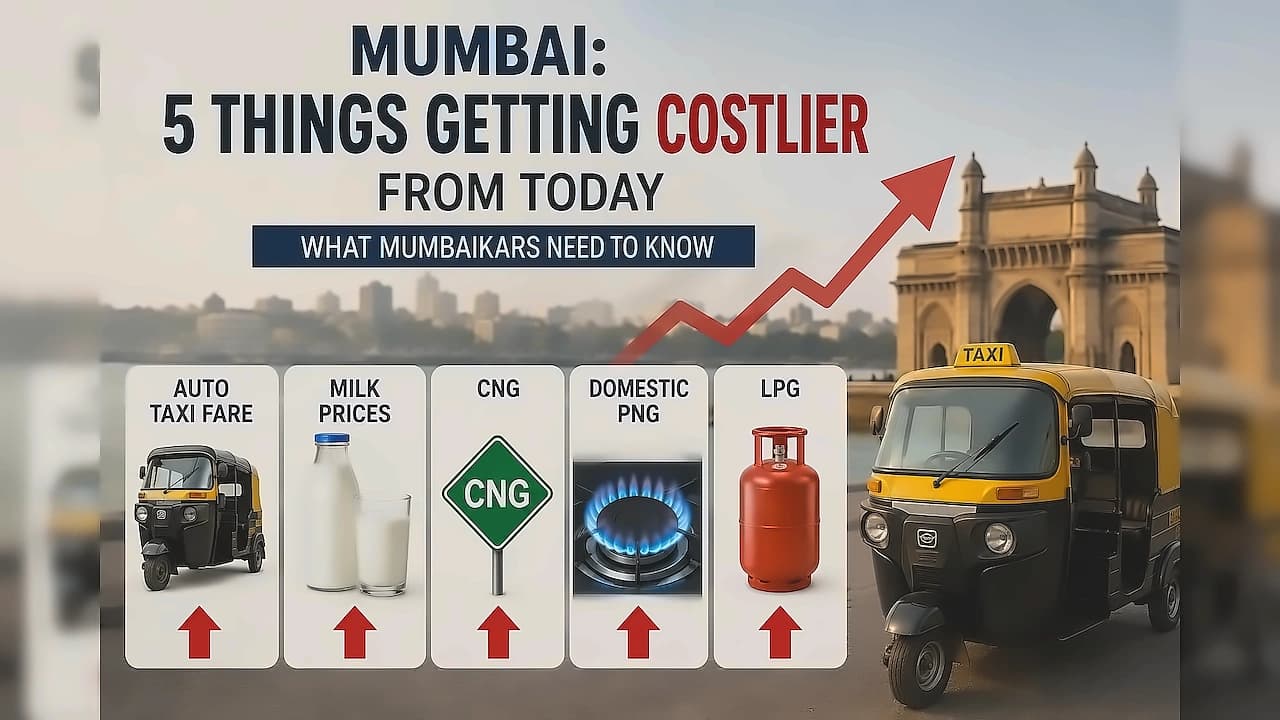
On Wednesday, milk cooperative brands Amul and Mother Dairy raised milk prices by ₹2 per litre, with smaller regional cooperatives including Indore-based Sanchi Milk and Kerala-based Milma either raising prices or planning hikes, according to media reports. As reported by Mint, industry executives said higher prices of milk, wheat and edible oils are squeezing margins, forcing FMCG companies to pass on costs through price hikes and lower grammage packs. India's wholesale price index rose 8.3% year-on-year in April, driven largely by higher prices of mineral oil, crude, natural gas and metals, while retail food inflation accelerated to 4.2% in April from 2.5% in January. The fuel price hike itself is around 3%, which is not large enough to materially impact margins for paint companies, but the bigger concern remains raw material price inflation that most paint companies have already passed on through earlier price hikes.
Domestic edible oil prices are climbing alongside global markets, with the Food and Agriculture Organization's world food price index showing edible oil prices rose 5.9% month-on-month in April to their highest level since July 2022. According to Mint, India imports nearly 60% of its edible oil requirement, making the country particularly vulnerable to global price movements. Prime Minister Narendra Modi has urged citizens to reduce oil consumption by 10%, citing concerns around import dependence and public health. As reported by AWL Agri Business CEO Shrikant Kanhere, the edible oil complex went up by close to 10% in March, with every player passing the increase on to consumers. Cement firms are also expected to face hits on their margins due to an increase in the costs of packaging material, especially polypropylene bags, which is derived from crude oil refining.
While all sectors face cost pressures, the cement sector is expected to bear the worst impact as 70% of cement in India is still moved via commercial trucks and roads due to poor last-mile rail connectivity. According to Kotak Securities, transportation accounts for up to 40% of the total cement production cost, making the sector particularly vulnerable to fuel price increases. Moving one tonne of cement over 500 km costs around ₹800-1,000 by road, compared with nearly ₹450 through rail. Analysts expect cement and metal firms to report margin erosion in the ongoing quarter and following quarter due to above-normal increases in key inputs, especially energy such as coking coal, petcoke, and thermal coal. However, some sectors may be better positioned to absorb costs - paint companies generally do not take immediate pricing actions for fuel price movements in the range of 3-5%, as freight costs typically represent only 5-6% of revenue. The diesel price rise of ₹3 per litre can increase logistics costs by 4-8%, with perishable goods like milk, fruits and vegetables facing 5-12% price pressure due to cold-chain dependency.
Industry experts warn that the latest round of price increases could weigh on consumer demand just as consumption was beginning to recover after last September's GST cuts. As reported by Deloitte South Asia partner Anand Ramanathan, FMCG demand typically reacts with a lag to inflationary pressures and could remain under strain even if the war eases. "A perfect storm is brewing, with inflation on one side and cost escalation on the other. So, the customer will start to trade down," said Ramanathan. "The fuel price hike is likely to intensify inflationary pressures across the economy, higher transportation and logistics costs could gradually push up prices of essential goods and services, increasing the burden on household budgets and raising overall cost-of-living concerns in the near term," added Malhotra. The timing is particularly challenging as companies had hoped for improved demand following the GST cuts.