Global supply chain stress is reaching multi-year highs, with logistics costs and delivery times creating additional inflationary pressures beyond India's domestic challenges. According to latest reports, delivery times in US Institute for Supply Management reports have lengthened by the most since 2022, while input prices haven't risen this fast in four years. The Logistics Managers' Index shows transport costs at their highest reading since spring 2018, just shy of all-time records. Warehousing capacity is tight everywhere and shrinking at the quickest pace since March 2024, with predictions for inventory cost growth nearing extreme rates of expansion over the next 12 months.
India's wholesale price inflation surged to 8.3% in April 2026 from 3.88% in March, driven mainly by a steep rise in fuel and energy prices. According to the latest data, WPI-based inflation was pushed higher by rising prices of mineral oils, crude petroleum and natural gas, basic metals and other manufactured products. This sharp inflationary spike comes as FMCG companies continue to grapple with rising input costs, creating additional pressure on margins across the sector. The impact of the energy crisis is showing up in gauges of supply-chain stress that flashed red during the pandemic, adding to reasons for central banks to be on guard for a recurrence of high inflation.
Amul has increased milk prices by ₹2 per litre nationwide starting May 14, 2026, citing escalating costs for feed, packaging, and fuel. This follows similar adjustments by competitor Mother Dairy and reflects ongoing inflationary pressures impacting the agricultural sector. According to reports, Amul's brand turnover crossed ₹1 lakh crore for fiscal year 2025-26, showing an 11% increase from the previous year, while GCMMF's sales turnover reached ₹73,450 crore. The cooperative continues its policy of passing about 80 paise of each consumer rupee to milk producers, with this price increase being the first since May 2025, following previous hikes in June 2024. As per market reports, wheat and rice prices are expected to follow milk price increases, with traders anticipating further inflationary impact across essential commodities.
The government is set to hike source tax on essential commodities in the upcoming national budget, adding to the inflationary pressures facing FMCG companies. This tax increase comes amid fears of inflation going further up, creating an additional burden on companies already grappling with rising input costs. The timing of these tax hikes coincides with the ongoing price adjustments by major dairy companies, creating a compound effect on consumer prices across essential commodity categories.
Dabur India Global CEO Mohit Malhotra confirmed the company is already facing 10% inflation this fiscal and has implemented a 4% price increase across different business segments. The company expects double-digit growth this year through a mix of value growth through price increases and volume growth. Britannia Industries is considering both direct price increases and grammage reduction to offset nearly 20% rise in fuel and packaging costs due to geopolitical developments. HUL CFO Niranjan Gupta reported 8-10% cost inflation on material cost base, with price increases of 2-5% already implemented across portfolios.
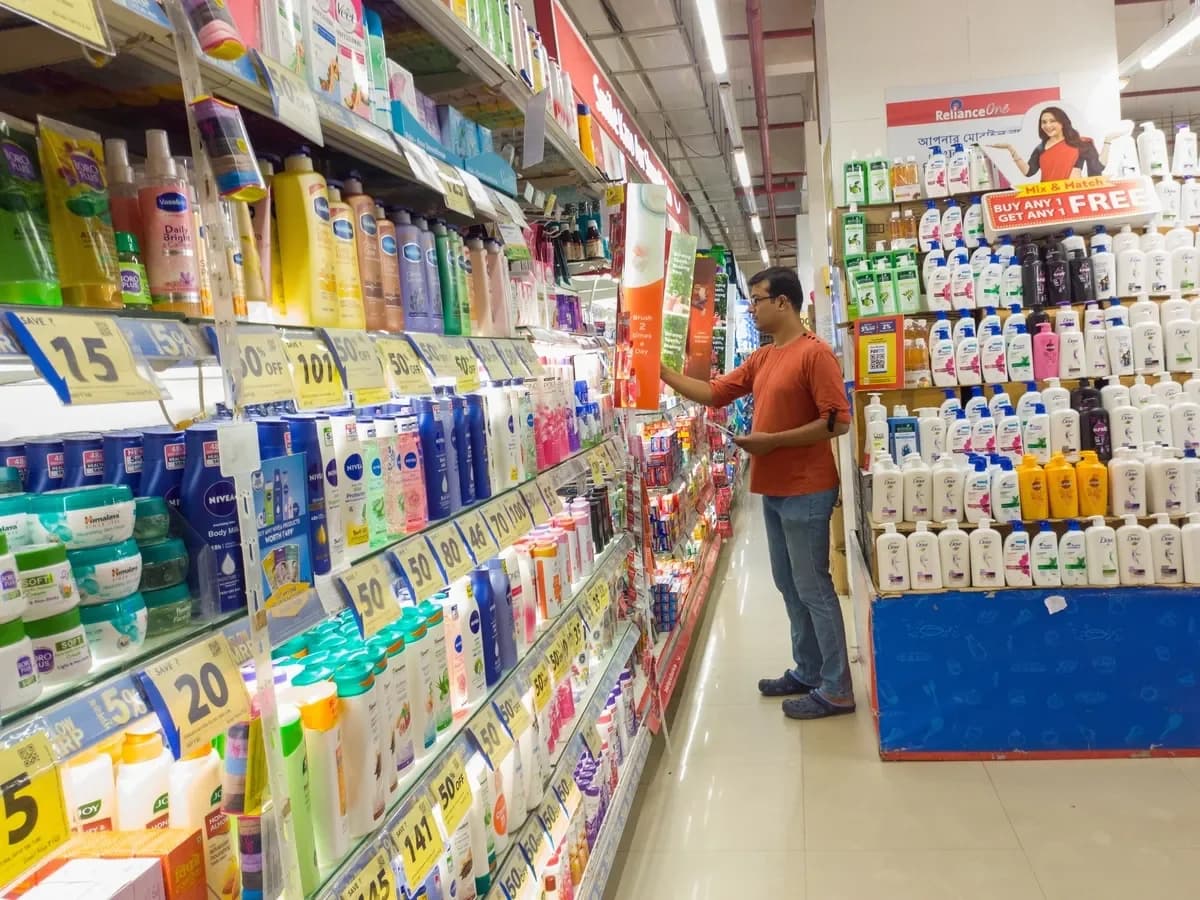
The pressure is being felt across food, personal care, beverages, and household products sectors as companies attempt to balance margins. According to reports, FMCG companies are resorting to either price hikes or shrinking pack sizes, retaining popular smaller SKUs of ₹5, ₹10, or ₹15 to maintain sales volumes. Varun Beverages Chairperson Ravi Jaipuria noted that companies selling packaged water and beverages have already started cutting discounts amid rising costs, while Marico MD & CEO Saugata Gupta confirmed the company has taken 6-7% price hikes in its Value Added Hair Oils portfolio. Consumers are expected to bear part of the burden through calibrated price hikes and reduced grammage.
Despite cost pressures, the Indian FMCG market generated ₹25 lakh crore (US$ 289.1 billion) in 2025 and is expected to grow at a compound annual growth rate (CAGR) of 17.3% through 2025-30, reaching nearly US$ 642.87 billion by 2030. According to India Brand Equity Foundation (IBEF) reports, in 2025, the urban segment contributed 62% while rural India accounted for more than 38% of annual FMCG sales. Nestle India CMD Manish Tiwary acknowledged the volatile and difficult operating environment, stating it's difficult to predict what will happen even two months down the line. The Indian dairy sector is seeing a clear shift towards value-added products such as cheese, ghee, and flavored yogurts, which grow faster than liquid milk and offer higher profit margins.