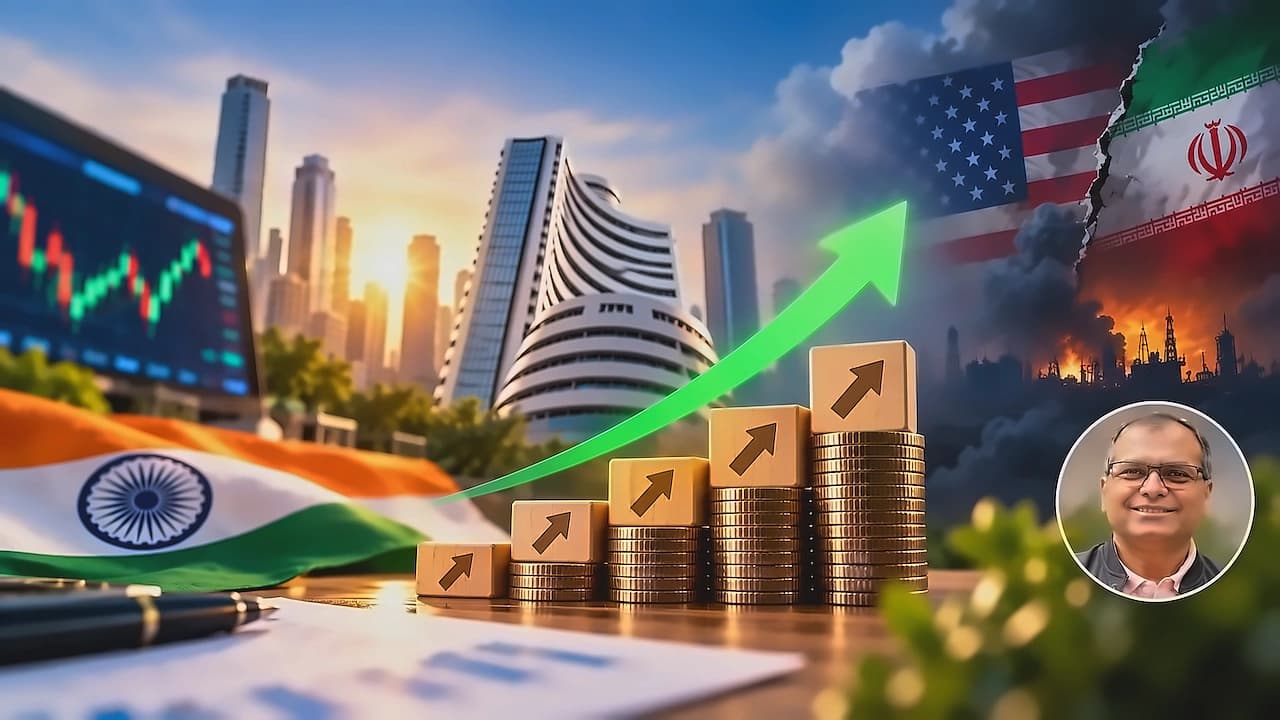
Crisil Ratings has issued a stark warning about the West Asia conflict's impact on India Inc, predicting a significant drop in operating margins due to supply chain disruptions and rising costs. According to Somasekhar Vemuri, Senior Director at Crisil Ratings, a prolonged conflict could shave nearly 200 basis points off India Inc's operating profitability this fiscal, even as overall corporate credit quality remains resilient. In a stress test covering 34 sectors accounting for around 65% of its rated corporate debt, the ratings agency found that 22 of the 34 sectors analysed could witness operating profitability decline by more than 10% due to higher inventory costs and limited ability to fully pass on rising expenses to consumers immediately.
Despite expectations that benign inflation would drive strong volume growth for FMCG companies, the opposite has occurred in recent years. According to Harini Dedhia, head of research at Tamohra Investment Managers, FMCG companies have struggled with 7-8% growth and margin compression post-pandemic. The current period of crude oil spiking to over $100 per barrel following the West Asia war has created sustained higher inflation conditions that are now benefiting FMCG companies. As reported by Business Standard, fuel price hikes result in higher logistics costs across all sectors, creating a compounding effect on inflation. Crisil has assumed crude oil prices averaging $110 per barrel this fiscal under stress scenario, compared with its earlier base-case assumption of $95 per barrel, along with prolonged supply disruptions lasting nine months.
Analysis of 21st century inflation patterns reveals three distinct 5-year phases, with the 2017-2021 period averaging 4% inflation when normalized for pandemic lockdown effects. Contrary to common economic logic that higher prices reduce demand, sustained higher inflation has resulted in FMCG segment outperformance versus NIFTY 50 across multiple time periods. According to the report, this outperformance persists through average 3-year rolling returns rather than being limited to specific years, demonstrating consistent sector strength during inflationary periods. However, Crisil warns that managing costs and profitability will be a bigger challenge than achieving topline growth during the current geopolitical crisis.
The ceramics sector faces the sharpest stress, with revenue potentially falling by more than one-third and profitability halving due to gas shortages and supply disruptions. Airlines are also likely to come under severe pressure from airspace closures, higher aviation fuel prices and rupee depreciation, with profitability estimated to decline by around 50%. Other sectors facing moderately negative impact include polyester textiles, specialty chemicals, flexible packaging, auto components, diamond polishing and basmati rice exports. Conversely, export-oriented sectors such as pharmaceuticals, readymade garments, textiles, shrimp processing and electronics manufacturing could benefit from rupee depreciation. Most Indian companies maintain natural hedges through trade flows or have adequate forex cover, limiting the impact of currency volatility.

Despite the challenging environment, India Inc's median gearing has halved over the past decade to around 0.5 times as of March 2026, while interest coverage has doubled to over five times, giving companies sufficient financial flexibility to absorb profitability shocks. According to Crisil, only eight sectors, accounting for around 10% of rated corporate debt, are expected to see material pressure on credit profiles. During sustained high inflation periods, large organized players gain market share at the expense of underfunded smaller peers. The report suggests that significant under-ownership of consumer names due to post-pandemic underperformance may present opportunities for investors to reconsider FMCG companies, despite current growth challenges in the sector. Crisil maintains a 'stable but cautious' outlook on overall corporate credit quality, warning that any prolonged escalation in the conflict could worsen inflationary pressures and disrupt demand further.