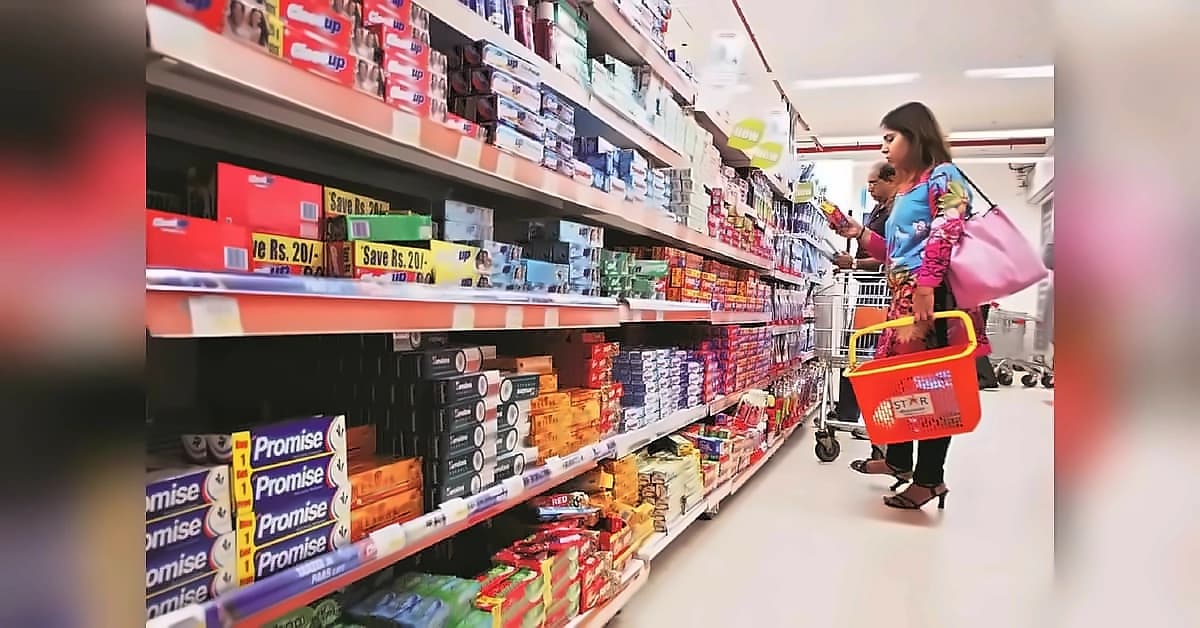
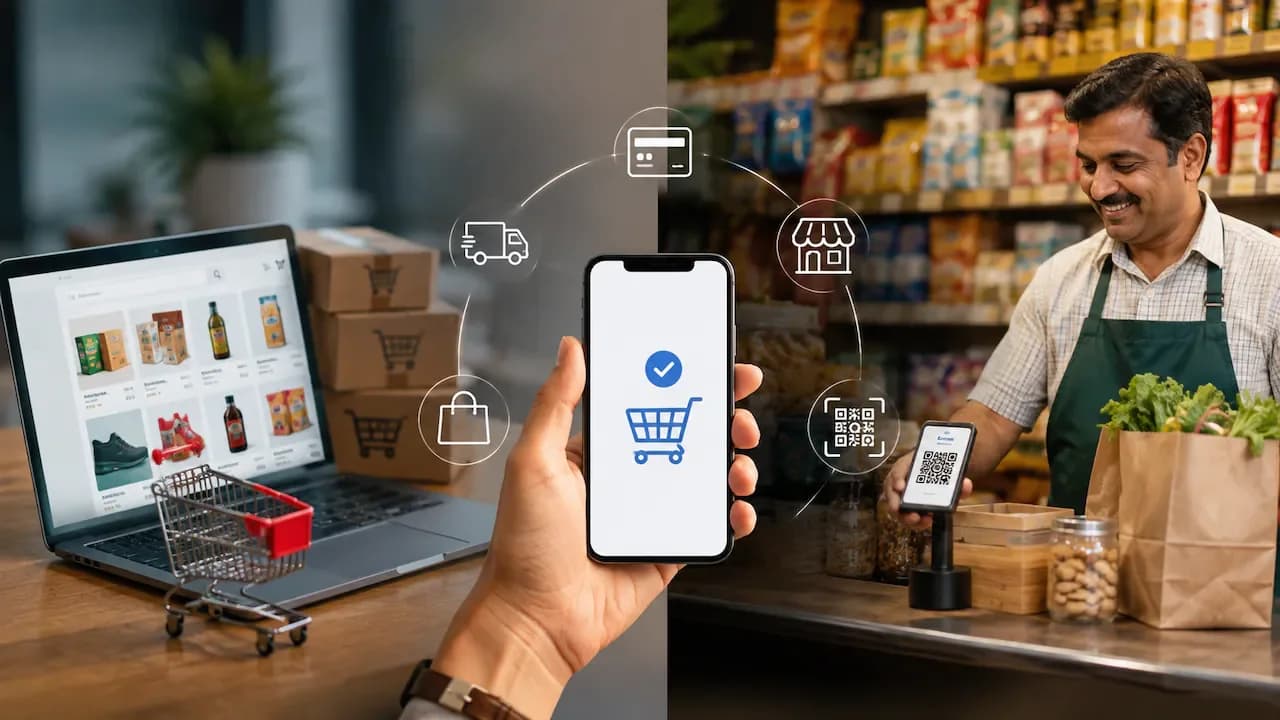
FMCG companies are fundamentally rethinking their growth strategies as consumers increasingly move across multiple channels for product discovery and purchase. According to a report by NielsenIQ, nearly nine in 10 households buy FMCG products across multiple channels, forcing brands to reconsider their traditional approach of heavy advertising and wide distribution networks. As reported by Business Standard, Grant Thornton Bharat's research reveals that 45% of consumers use quick commerce for emergencies and last-minute requirements, while 19% use it for impulse purchases and snacking, with more than 70% indicating they would continue using quick commerce even if discounts were reduced. The shift represents a fundamental change where the consumer journey increasingly begins somewhere else — on a smartphone, as noted by industry experts, making digital-first relationships increasingly critical for brand relevance. Recent developments show that AI-driven agents are now making purchasing decisions for shoppers, with Accenture's Talk to My AI Agent report finding that more than a third of shoppers who consider themselves loyal to a brand would let their agent switch brands if it found a better fit. This points towards a landscape where brand loyalty previously relied on friction unrelated to genuine preferences such as saved cards and familiar apps, but an agent strips all of that away in a single step.
The role of quick commerce platforms has expanded significantly beyond fulfillment, now accounting for more than three-fourths of e-commerce FMCG sales in India according to NielsenIQ's March report. E-commerce represents 18% of FMCG sales in the country's top eight metros, with Redseer's March 2026 report projecting India's quick-commerce gross merchandise value at an estimated $11.5 billion in 2025 and potentially reaching $25 billion in 2026. As noted by Grant Thornton's Naveen Malpani, quick commerce is no longer just about speed but is influencing product trial, assortment, and creating opportunities for smaller, premium formats. The sector has moved beyond beauty and grooming, with toothpaste, toothbrushes, oral care, personal hygiene, grooming and other everyday FMCG categories increasingly being influenced by digital discovery and e-commerce. Recent research indicates that retailers are no longer competing for attention on a shelf or homepage, but on the strength of the experience they consistently deliver through AI agents. The experience has become the signal that indicates whether an agent surfaces their brand or product to the shopper, with price being weighed alongside the whole experience, not just the number on the label.
The D2C opportunity has evolved beyond beauty startups to become a strategic capability that large FMCG companies are actively acquiring, partnering for, or building independently. A notable example is Colgate-Palmolive India's partnership with Bombay Shaving Company to drive the D2C and e-commerce business of its Palmolive personal-care brand, where Colgate continues to control product innovation, quality and supply while Bombay Shaving brings digital-first expertise to the consumer-facing side. This partnership model demonstrates that D2C is no longer simply a playground for beauty start-ups but becoming a strategic capability that large FMCG companies are willing to invest in. The beauty and personal-care category has led the D2C revolution, with brands such as Bare Anatomy, Chemist at Play, SunScoop, Minimalist, Beardo, Just Herbs, Mother Sparsh and The Man Company demonstrating how relatively young brands can build strong consumer franchises through digital channels. Recent developments show that the winners in this next phase will not be those with the most capable AI, but those who earn trust on two fronts at once, the shopper who ultimately relies on the recommendation, and the agent acting on their behalf. A retailer that feels unreliable will be quietly passed over, with no abandoned basket or complaint to see, only an agent that passes on it.
The shift to digital platforms has made search rankings, product placement, and in-app visibility increasingly important for brand discovery. According to Ferns N Petals' CMO Avi Kumar, consumers now move between the company's app, website, social media, marketplaces, quick-commerce platforms and Google for gifting, creating a more digital, discovery-led and convenience-driven journey. As reported by Business Standard, this means securing distribution alone may no longer be sufficient, as brands increasingly need visibility at the point of digital discovery alongside availability when consumers are ready to buy. The real value of D2C for large FMCG companies lies not simply in margin improvement but in understanding what consumers are searching for, what they buy, how frequently they repurchase, what they say about products and which innovations are gaining traction. This can make the entire brand-building process smarter, providing direct access to consumer behaviour that traditional distribution networks cannot provide. Recent research indicates that trust begins with knowing the customer as one person with a history, not a set of records scattered across different corners of the business. Whether a shopper arrives by WhatsApp, email, or through an app, they meet the same brand that already knows them, with the handover itself from an AI agent to a real person when a moment calls for it, so a shopper never has to explain themselves twice.
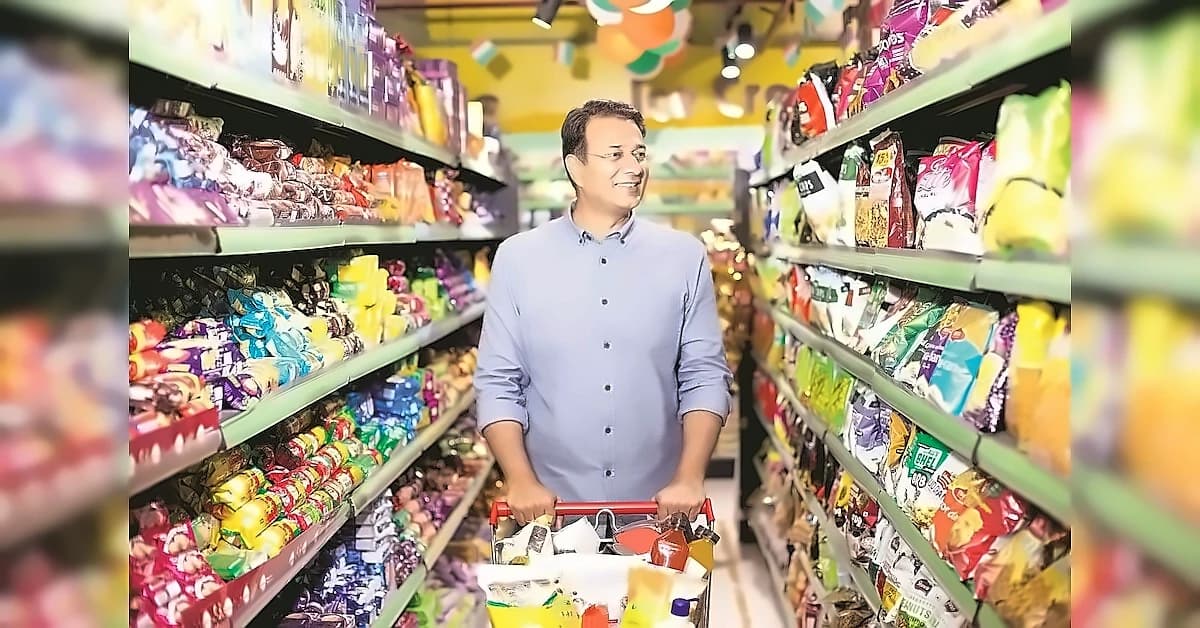
Despite digital growth, physical retail continues to play a crucial role, particularly for fresh and gourmet products. Elixiir Foods' Arvind Mediratta explained that the consumer journey in fresh and gourmet grocery has become continuous and multi-nodal, with consumers discovering products in physical stores and later reordering through apps for delivery within 60-90 minutes. As reported by Business Standard, quick commerce works well for standard packaged goods and impulse categories, but faces structural constraints for fresh products due to curation, cold-chain integrity, and margin considerations. The future will be omnichannel, blending D2C with traditional retail, as consumers discover products on Instagram, research them on Google, buy them from quick-commerce platforms, purchase them again from supermarkets and eventually subscribe to them through brand websites. Recent developments show that the retailers building genuine trust into every interaction today are the ones setting the terms everyone else will have to meet. A retailer with a consistently strong record on how quickly it answers questions, how reliably it fulfills orders, how well it resolves complaints and what reviews say becomes a trusted name that shoppers keep returning to, not out of sentiment but because they can be counted on to get it right. This omnichannel approach ensures that the supermarket shelf will remain important, but the consumer journey increasingly begins somewhere else — on a smartphone.