The Directorate General of Civil Aviation (DGCA) has directed the original equipment manufacturer to conduct a fresh inspection of the fuel control switches of an Air India Boeing 787-8 aircraft at the OEM facility. According to the latest ministry statement, this action comes months after the aircraft was grounded following a reported cockpit defect involving the left engine fuel control switch. The directive is part of continued airworthiness measures for the involved fuel control switch, with the inspection to be conducted in the presence of DGCA officers.
On February 2, 2026, Air India Boeing 787-8 aircraft VT-ANX was grounded after operating flight AI-132 (London Heathrow (EGLL) – Bengaluru (VOBL)). The grounding was based on an entry in the Pilot Defect Report stating that the left Fuel Control Switch (FCS) slips from 'RUN' to 'CUTOFF' when pushed slightly and does not lock positively in its selected position. The issue had initially been observed during engine start at Heathrow Airport, with the left engine fuel control switch failing to remain positively latched in the 'run' position on two occasions when light vertical pressure was applied. On the third attempt, the switch latched correctly and remained stable throughout the flight, with the aircraft completing the journey without incident.
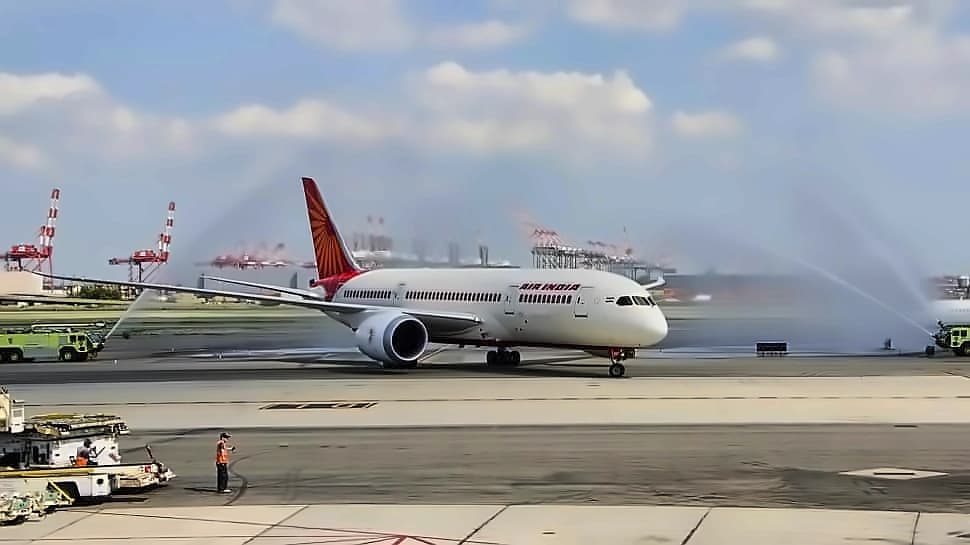
Based on recommendations from the Original Equipment Manufacturer, Air India carried out inspection and functional testing of the Fuel Control Switches in accordance with OEM-prescribed procedures in the presence of DGCA officers. According to the latest ministry statement, OEM concluded that the Fuel Control Switch was mechanically functioning as designed and considered the unit serviceable. However, as part of continued airworthiness monitoring, the DGCA has now directed that the fuel control switches undergo further inspection at the OEM facility under the supervision of its officers. An Air India spokesperson confirmed that the fuel switch module had already been confirmed as fully functional by both the original equipment manufacturer (OEM) and the DGCA, stating that the decision to proceed with further review is intended to ensure thorough evaluation as a measure of abundant caution.
The earlier ministry statement revealed that when full force was applied parallel to the base plate, the switch remained secure. However, applying external force in an incorrect direction caused the switch to move easily from RUN to CUTOFF, due to the angular base plate allowing slip when pressed improperly with finger or thumb. Air India carried out precautionary re-inspections of fuel control switches across all operational Boeing 787 aircraft and no issues were identified during these checks. The DGCA had previously advised Air India to circulate Boeing's recommended procedure for operation of the fuel 'cut off' switch to all crew members after a video surfaced allegedly demonstrating incorrect operation of the switch. The functioning of fuel control switches remains in focus following the fatal crash of Air India's Boeing 787-8 aircraft that killed 260 people on June 12 last year, as the preliminary probe report mentioned that fuel supply was cut off soon after take-off.
Following the February incident, Air India initiated precautionary fleet-wide re-inspection of fuel control switch latches across its Boeing 787 fleet, which currently comprises 33 aircraft. According to earlier reports, Air India senior vice president for flight operations Manish Uppal informed Boeing 787 pilots through an internal communication that the airline had escalated the matter to Boeing for priority evaluation. The latest directive comes amid heightened scrutiny of fuel control switches on Boeing 787 aircraft following the fatal crash of Air India flight AI171 near Ahmedabad in June 2025, which killed 260 people. A preliminary investigation into that crash found that fuel supply to the aircraft's engines had been cut off seconds after take-off, with cockpit voice recordings reportedly capturing one pilot questioning why the fuel control switch had been moved to 'cutoff' while the other pilot denied doing so.