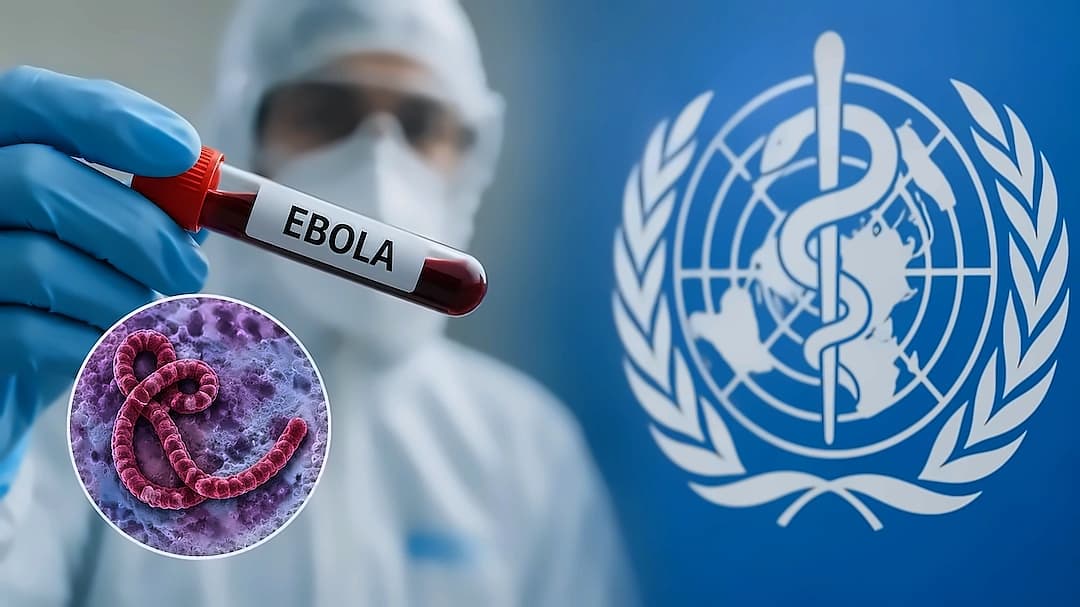
India's aviation regulator Directorate General of Civil Aviation (DGCA) has issued comprehensive standard operating procedures (SOPs) requiring airlines to implement mandatory health screening measures for passengers traveling from or transiting through Ebola-affected regions. According to DGCA office orders dated May 22, 2026, all passengers and crew members, irrespective of nationality, must fill out self-declaration forms and submit them at designated immigration or health counters upon arrival in India. The directive comes after the World Health Organisation (WHO) declared the Ebola outbreak in the Democratic Republic of Congo (DRC) and Uganda a Public Health Emergency of International Concern (PHEIC). As reported by DGCA officials, this initiative reflects a pro-active approach by Indian authorities to manage potential Ebola risks as the outbreak continues to evolve.
The new SOPs mandate that passengers immediately report symptoms including fever, weakness, muscle pain, headache, sore throat, vomiting, diarrhoea, rash, and bleeding to airline crew members and immigration or medical authorities upon arrival. As reported by DGCA, passengers have been specifically advised to seek medical assistance at designated hospitals if Ebola-related symptoms develop within 21 days of arrival in India and inform airport health authorities immediately. The self-declaration forms require passengers to provide personal and contact details, travel origin, exposure history and any medical symptoms to ensure comprehensive health monitoring. Airlines must also make mandatory in-flight announcements informing passengers about Ebola symptoms and ensure all relevant passengers complete and submit Self-Declaration Forms before de-boarding. According to DGCA officials, this enhanced screening is designed to gather essential personal information, travel history, exposure risk, and any medical symptoms to ensure comprehensive health monitoring.

The directive follows the World Health Organisation (WHO) classification of the Ebola outbreak in DRC and Uganda as a public health emergency of international concern (PHEIC). According to DGCA, countries bordering the DRC and Uganda, including South Sudan, have been assessed as being at a high risk of disease transmission. The regulatory action aims to prevent potential transmission of the disease through enhanced passenger monitoring and early identification protocols, with the DGCA emphasizing that any traveller who has fever, weakness, muscle pain, headache, sore throat, vomiting, diarrhoea, rash, bleeding should report immediately to airlines crew and at immigration/medical units for early diagnosis and prompt management. As noted by DGCA officials, this proactive approach is taken to safeguard public health and ensure that air travel remains safe for everyone.
Airlines operating in and around Ebola outbreak regions have been directed to designate segregated seating with at least three vacant rows around suspected passengers and ensure comprehensive aircraft disinfection after landing. If a passenger shows Ebola-like symptoms during a flight, airlines must assign one cabin crew member exclusively to assist the passenger, relocate the passenger to the rear of the aircraft wherever possible, keep three surrounding rows vacant to limit exposure, designate a separate washroom for the suspected patient, provide masks and personal protective equipment to the passenger and nearby travellers, and provide triple-layer masks to passengers seated in the three rows in front, back and sides. Airlines must also share details of suspected cases, nearby passengers, and attending crew members with the Airport Health Organisation (APHO) for 21-day monitoring and coordinate with Air Traffic Control to park affected aircraft in isolated bays. According to DGCA officials, airlines are instructed to work closely with Air Traffic Control, airport operators, and Airport Health Officers to ensure that aircraft are parked in isolated bays and that all passengers receive thermal screening.
Alongside these aviation measures, India has taken steps to support the African Centre for Disease Control and Prevention in managing the Ebola emergency. Recently, the Indian government dispatched a shipment of medical supplies and protective kits to aid efforts in managing the ongoing Ebola emergency in Africa. External Affairs Minister S. Jaishankar confirmed the delivery, stating, "India is committed to supporting Africa in responding to the emerging Ebola public health emergency." This assistance underscores India's engagement with global health security in light of the WHO's assessments and recommendations. As the situation unfolds, both the DGCA's directives and India's support to international organisations reflect heightened awareness and action regarding the spread of Ebola. Authorities encourage citizens to exercise caution and remain informed about travel advisories related to the affected regions.