The upcoming BRICS Summit on September 12-13, 2026 has laid bare a critical supply-demand gap in India's hospitality sector, with over 200,000 branded hotel rooms needed to meet current demand. According to Hotel Association of India (HAI), India currently has only 200,000-220,000 branded hotel rooms - a starkly inadequate number for a country of its size and tourism aspirations. The gap is widening with demand for branded rooms projected to grow at 8-10% CAGR through FY28, creating urgent infrastructure needs across both metro and tier-2/3 cities driven by pilgrimage travel, leisure tourism, weddings, and infrastructure-led business demand.
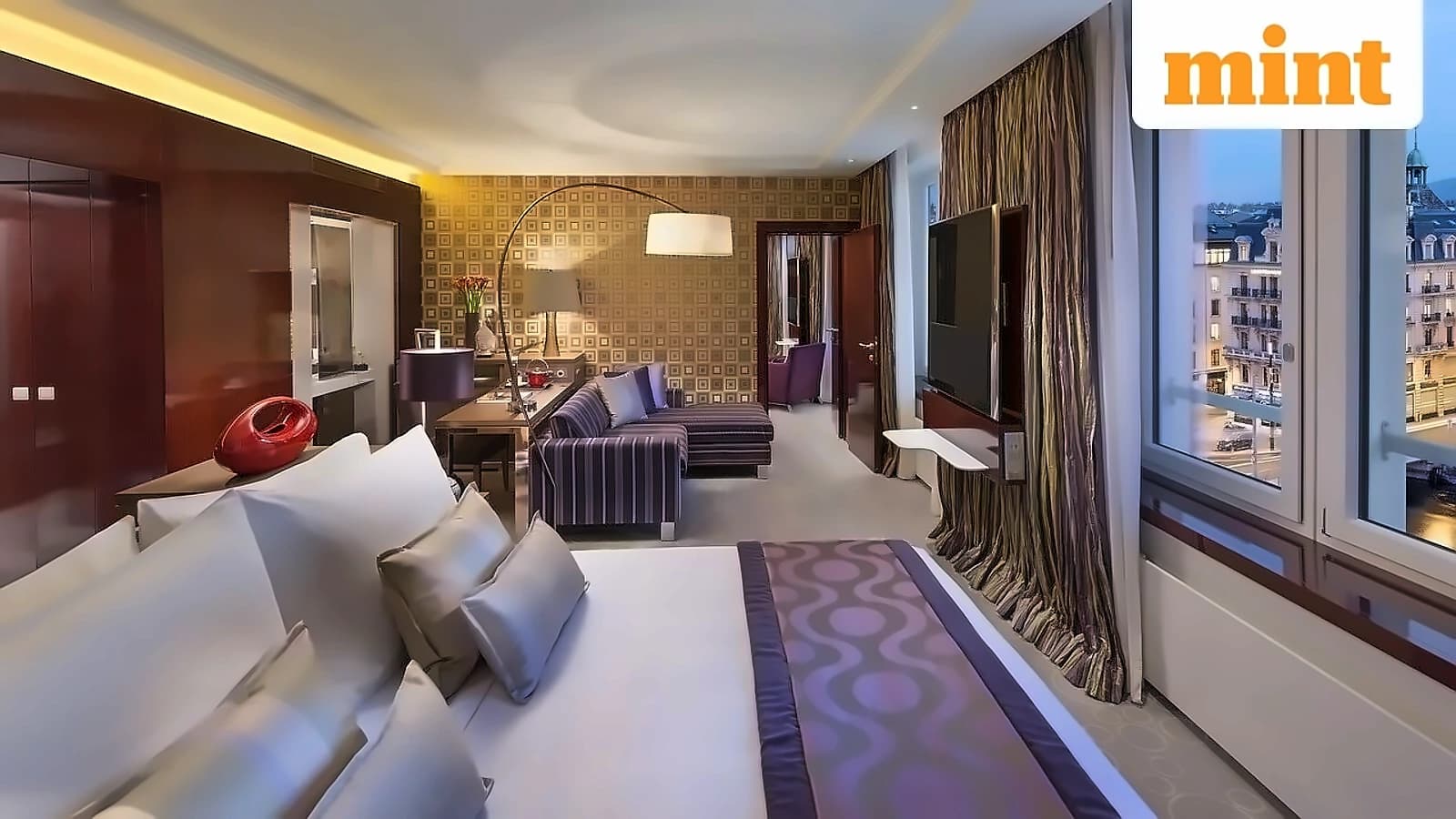
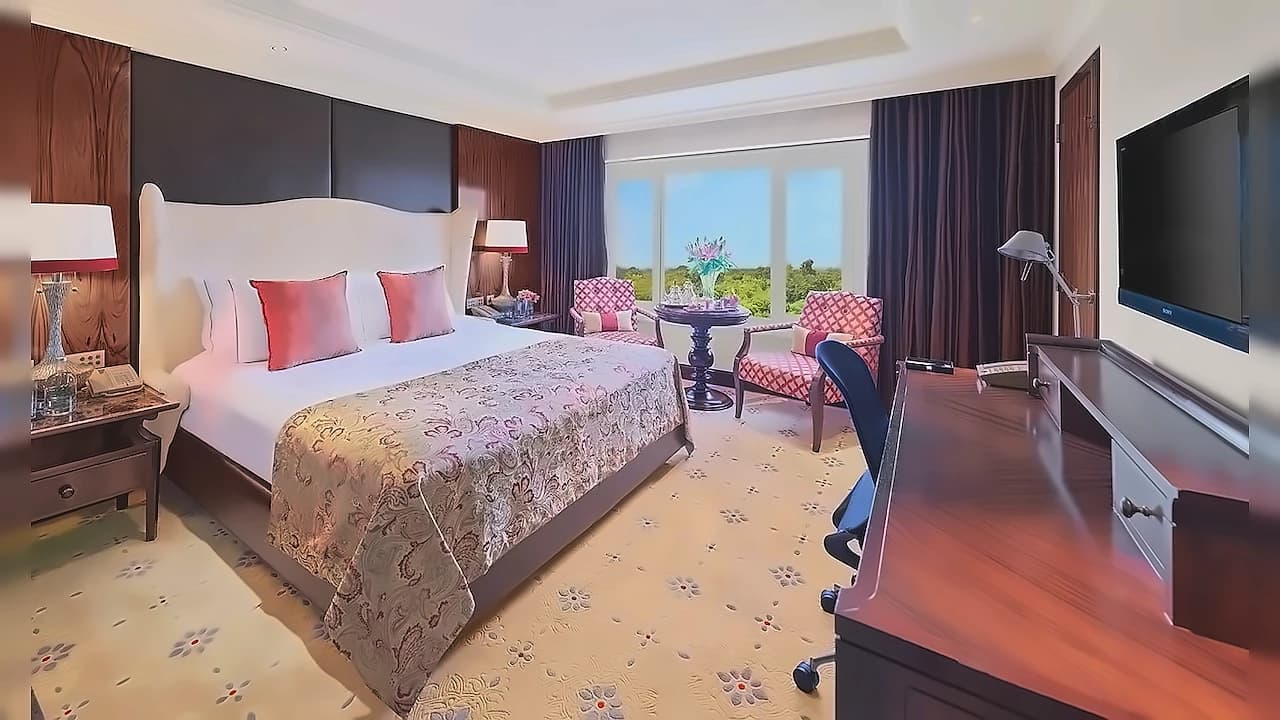
Rooms at premium properties such as Shangri-La Eros New Delhi and ITC Maurya New Delhi are commanding extraordinarily high rates, with several well-known establishments either charging rates in the six figures per night or displaying no vacancies on important dates. The premium pricing underscores the significant value being placed on accommodation in the capital during the summit period. The two-day geopolitical event is creating concentrated demand that is putting additional pressure on room inventory in central Delhi, with the development potentially forcing tourists, business travelers and families with pre-planned trips to pay substantially higher accommodation costs. According to PTI, September is showing stronger momentum, with average room rates across portfolios pacing more than 25 per cent higher year-on-year. Nikhil Sharma, Managing Director & COO, South Asia, Radisson Hotel Group, told PTI that the upcoming BRICS Summit in New Delhi is contributing to heightened demand, particularly in the days around the event, with shorter booking windows further supporting rate growth.
Despite the current shortage, the hospitality sector shows strong growth momentum with nearly 14,199 branded rooms added across 176 properties in 2025, as reported by HVS ANAROCK data. Additionally, 64,118 branded rooms have been signed across 586 properties for future development, showcasing adequate investor confidence in India's hospitality market. However, these projects face significant execution challenges, with the industry seeking faster clearances, genuine single-window approvals and rationalised state-level taxes and levies to cut timelines and costs. The Hotel Association of India has requested government support including industry status for priority-sector lending, fair utility tariffs, uniform infrastructure status across categories and city tiers, and enhanced FSI to unlock more rooms on the same land in space-constrained metros.
Delhi Traffic Police have finalized detailed VVIP routes, diversions and real-time traffic updates ahead of the BRICS Summit. As reported by multiple sources, the 18th BRICS Leaders' Summit is scheduled from September 12-13 at Bharat Mandapam, Pragati Maidan, with traffic police preparing comprehensive traffic advisories detailing restrictions, diversions and alternate routes for the public. The police have prepared a comprehensive traffic advisory that has been submitted for approval and publication, intended to give commuters advance information about likely changes in traffic movement during the summit. To ensure real-time information dissemination, traffic police have held coordination meetings with representatives of navigation and cab apps, with platforms expected to provide information on restrictions, diversions and alternate routes to commuters during the summit. The police are coordinating with multiple agencies including Delhi Metro Rail Corporation, Delhi Transport Corporation, Delhi Police PRO, app-based taxi operators, National Zoological Park and DCP/Communication for traffic management, public awareness and logistical support.
KB Kachru, president of Hotel Association of India and chairman of Radisson Hotel Group, emphasized that the BRICS Summit alone will put considerable focus on room inventory, exposing the hard truth that India's hospitality infrastructure has not kept pace with tourism ambition. The industry executive noted that while the Indian market has overcome substantial hurdles in getting capital, the gap between demand for branded hotel rooms and supply has remained skewed. According to HAI, government support must pivot from enabling capital to enabling velocity through three key levers: industry status for priority-sector lending and fair utility tariffs; uniform infrastructure status across categories and city tiers for long-tenure financing; and enhanced FSI to unlock more rooms on the same land in space-constrained metros. The additional demand from the INNOPROM.India trade fair from September 9-11, with Prime Ministers Narendra Modi and Vladimir Putin expected to attend, is expected to further compress accommodation availability and drive room rates even higher during the summit period.