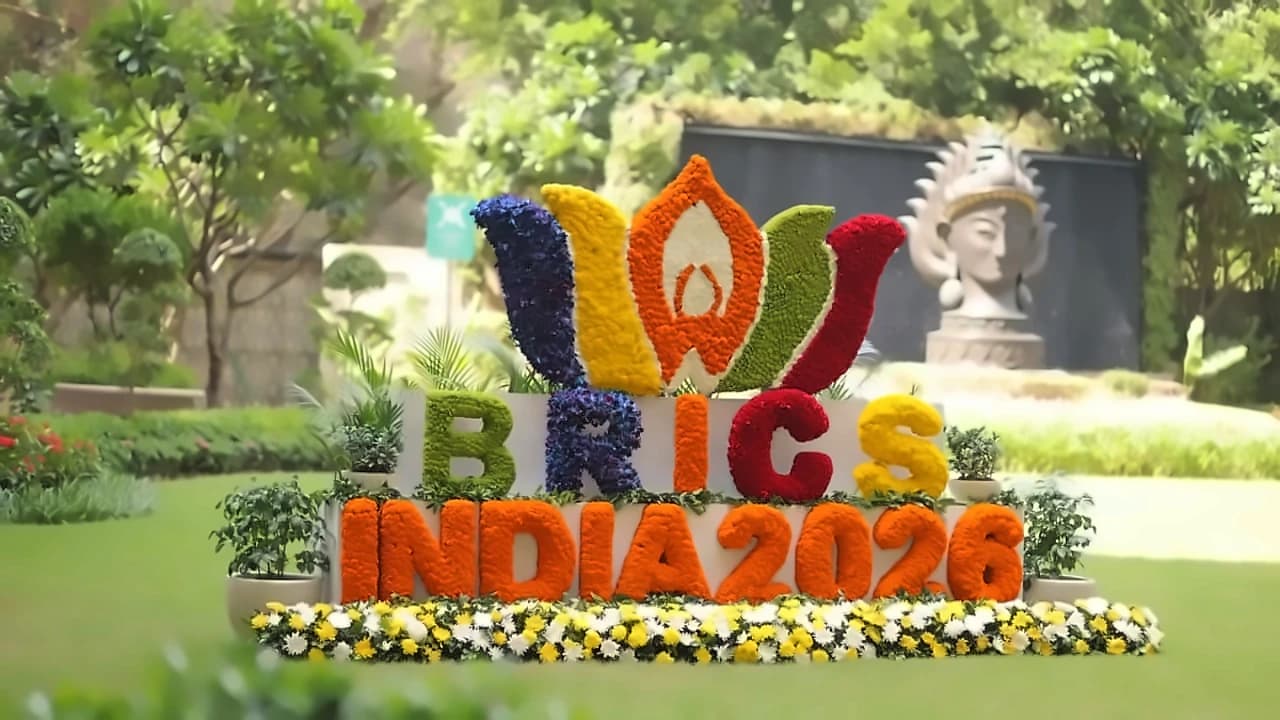
BRICS members have raised serious concerns over unilateral imposition of trade and finance-related measures, including higher tariffs and non-tariff barriers, stating they distort trade and are inconsistent with World Trade Organization (WTO) rules. According to Business Standard, the 11-member grouping -- including Brazil, Russia, India, China and South Africa -- made these statements after a two-day meeting ended Thursday in Mumbai, ahead of the leaders' summit starting Saturday. The reference to unilateral trade and finance-related actions is significant as the US has pursued sweeping tariff measures against trading partners and threatened additional tariffs against countries over their engagement with the Brics bloc and its efforts to promote greater use of local currencies. The grouping said these pressures were weighing most heavily on emerging markets and developing economies (EMDEs), while asserting that Brics economies had demonstrated resilience and continued to make a significant contribution to global growth.
External Affairs Minister S Jaishankar has emphasized the need for BRICS economies to build greater self-reliance while remaining integrated with global markets, stating that 'stronger economic activity and security would be key to achieving that balance'. Addressing the BRICS Business Forum in New Delhi, Jaishankar described India's chairship as focused on strengthening innovation and the entrepreneurial ecosystem, while describing BRICS completing 20 years as a 'milestone'. The minister highlighted that 'the common thread is how to make it easier for businesses in our countries to find more partners, access more markets, connect supply networks and convert complementarities into viable commercial partnerships'. According to Business Standard, Jaishankar stressed that 'for BRICS particularly, higher economic activity and higher economic security mean greater self-reliance', with the objective to strengthen our ability to absorb shocks while remaining connected and competitive. Jaishankar called for transparent trade and investment, dependable logistics and resilient supply chains to address economic challenges, emphasizing the need for genuine market practices, predictable business environment, diversified commercial relationships, and transparent trade and investment.
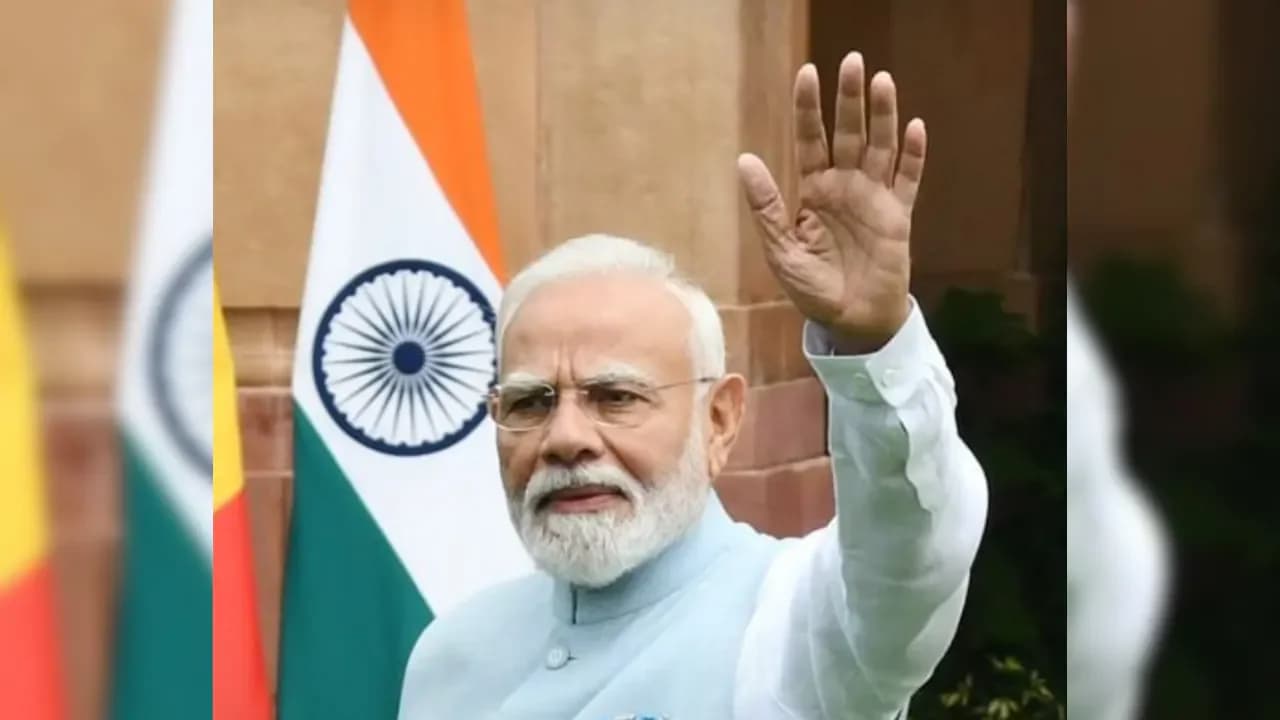
As the 18th BRICS Summit approaches in New Delhi on September 12-13, businesses and economists are looking to the expanded grouping to deliver tangible gains beyond strategic dialogue. According to Business Standard, Indian businesses seek easier market access and lower regulatory barriers, while economists expect greater use of local currencies, stronger payment linkages, investment cooperation and energy security to emerge as key themes. Federation of Indian Export Organisations (FIEO) President S C Ralhan emphasized that "the real value will lie in easier market access, stronger supply-chain partnerships, investment flows, technology collaboration and efficient payment mechanisms." The 11-member BRICS grouping accounts for around 26% of global trade, but India's trade with several members remains heavily skewed towards imports, with China, UAE and Russia among India's top three import sources.
India's year-long chairmanship has delivered extensive outcomes across trade, technology, energy, agriculture, health, climate, transport, industry and other areas ahead of the 18th Brics Summit. As per Business Standard, the intergovernmental organisation listed the outcomes of ministerial and heads of agencies meetings held under India's chairship, covering new frameworks, networks, action plans, working groups and knowledge-sharing platforms. The summit will bring together these comprehensive deliverables to showcase the group's collective achievements during India's tenure, with over 50 development-oriented outcomes achieved in Brics-related meetings held this year.
Recognising the transformative potential of artificial intelligence (AI) and emerging technologies such as quantum computing for the financial sector, member countries adopted an EMDE-centric approach to assess the opportunities and risks posed by these technologies. According to Business Standard, the grouping encouraged the Brics Fintech Working Group to continue policy dialogue and knowledge sharing for harnessing the innovative potential of emerging technologies, while enhancing their regulatory oversight and ensuring their ethical and responsible deployment. While India has been pushing for an agreement on local-currency trading and an efficient cross-border payment mechanism, the language in the joint statement shows member countries fell short of a consensus on the matter. The statement acknowledged work on cross-border interoperability of payment and messaging channels, and discussions on promoting trade settlements and investments using BRICS local currencies, while encouraging the BPTF (Brics Payment Task Force) to continue discussions building on ongoing work.
The trade track adopted a workplan on the internationalisation of micro, small and medium enterprises (MSMEs) including the Jaipur Consensus for a Brics Invoice Discounting Mechanism. The Trade track also adopted a '2026–2030 Global Value Chains Action Plan' covering Technical Council, Brics Connect and joint studies on market opening and economic diversification. DBS Bank Senior Economist Radhika Rao expects discussions around local-currency trade, payment system linkages and reserve diversification to focus on broadening the use of domestic currencies without actively challenging dollar dominance. "Realistic outcomes would involve broader use of local currencies in trade, expansion of central-bank settlement arrangements, and stronger regional payment connectivity," Rao said. For India, this could complement efforts to expand the international use of its digital payments infrastructure through the Bank for International Settlements-led Project Nexus.