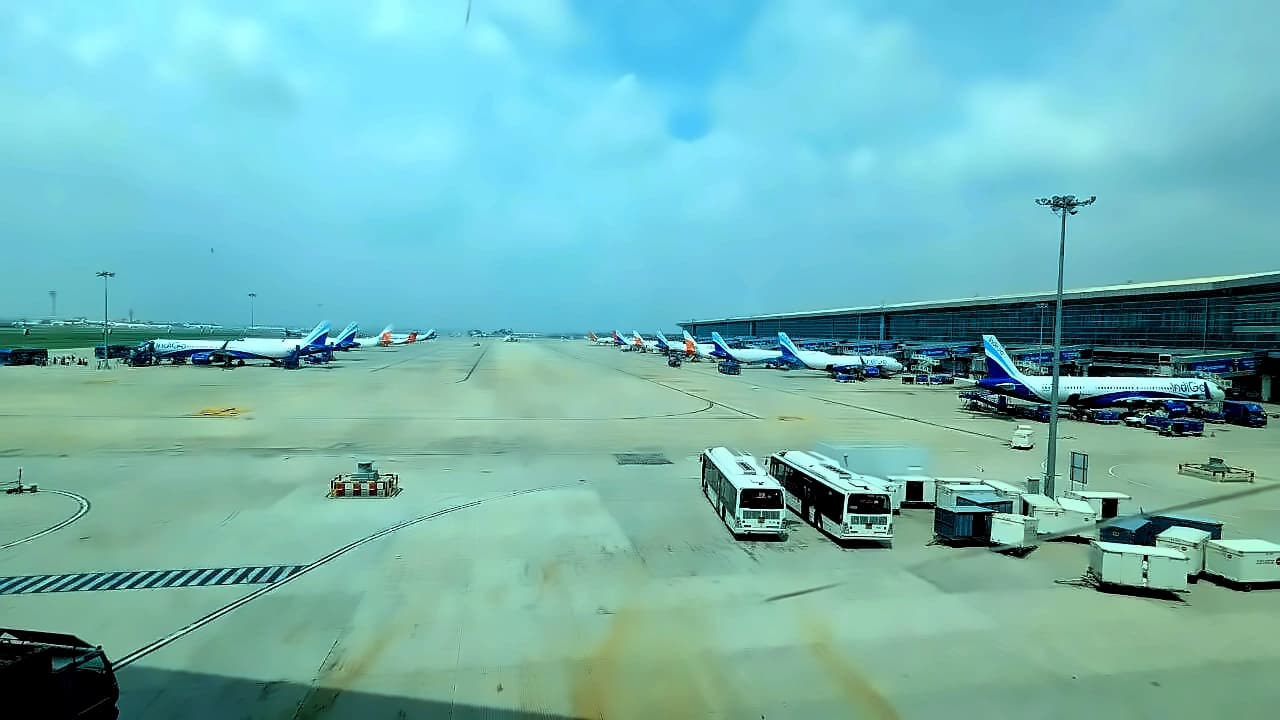
GMR Group-controlled Delhi International Airport Limited (DIAL) began progressively opening Pier C at Terminal 3 from September 9 for smooth international flight operations ahead of the 18th BRICS Leaders' Summit in New Delhi. According to DIAL's press release, the converted pier will increase Delhi Airport's annual international passenger-handling capacity by 50 per cent to 31 million passengers once fully operational. The conversion was completed earlier this year but was delayed after international traffic fell sharply due to the US-Iran conflict beginning in late February. With international traffic expected to recover, the facility was scheduled to be activated around September. Pier C will facilitate international arrivals, with both international arrivals and departures being handled from the evening of September 10 onwards. As per The Times of India, this conversion is part of a 10-year master plan being finalised with stakeholders, which will be submitted to the aviation ministry this month.
The conversion changes the configuration of Terminal 3, which previously had four piers with Piers A and B used for international operations, while Piers C and D handled domestic flights. As reported by DIAL, with Pier C being shifted to international operations, T3 will now have three international piers and one domestic pier. A pier is a section extending from the main terminal building that provides aircraft parking positions and passenger boarding facilities. The phased operationalisation will provide additional flexibility and capacity to manage the expected increase in international movements during the summit period. According to The Times of India, T3 will be able to handle 6.6 CPA with 4.6 crore being international and 2 crore domestic thanks to the new international pier E with a capacity of 1.6 CPA.
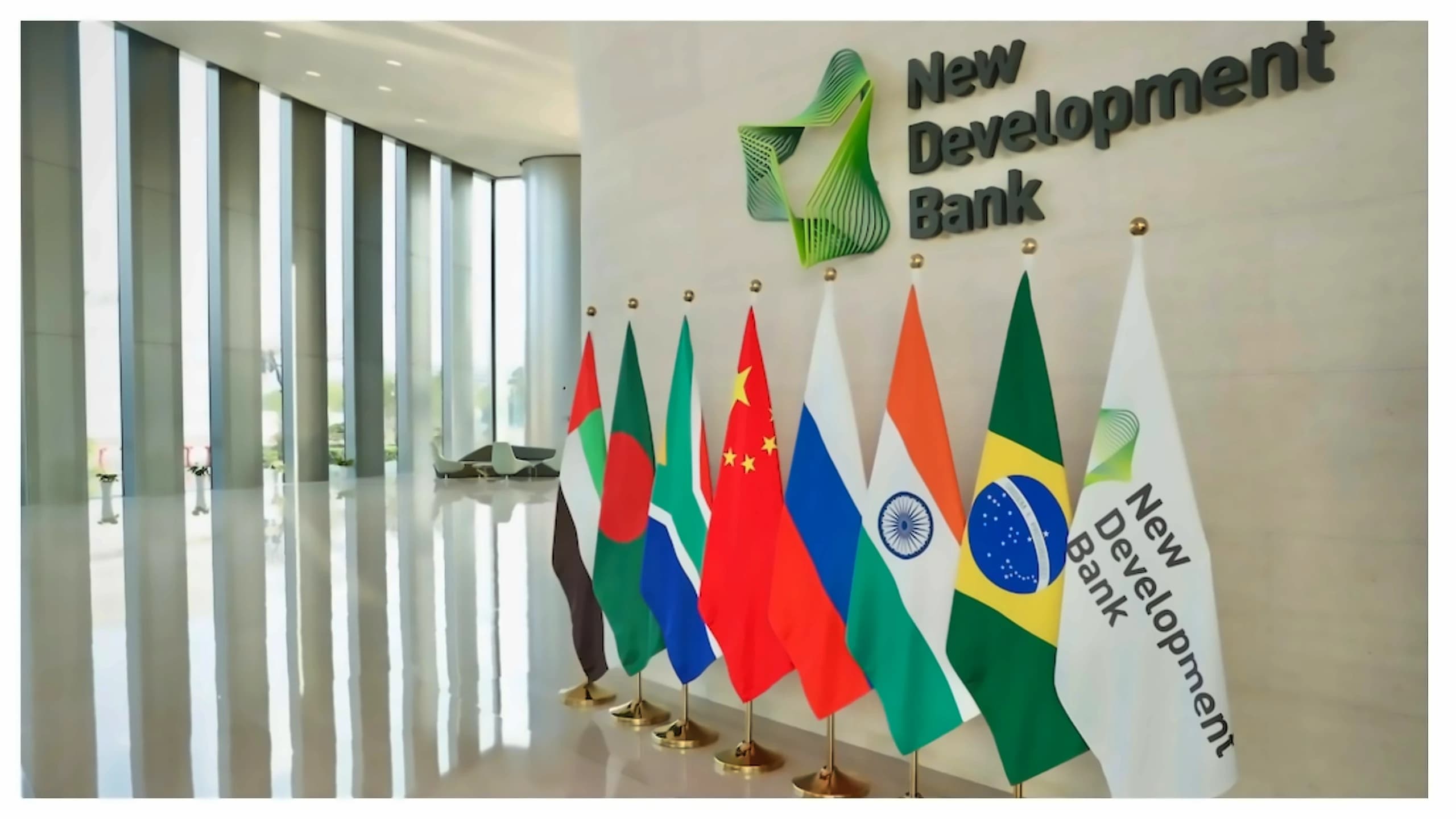
The 18th BRICS Leaders' Summit will be held at Bharat Mandapam in New Delhi from September 12-13, 2026, with the official theme being 'Building for Resilience, Innovation, Cooperation and Sustainability'. The grouping has undergone significant expansion, welcoming Egypt, Ethiopia, Iran, Saudi Arabia, and the UAE as full members in January 2024, followed by Indonesia in January 2025. More than 20 countries, including Brazil, China, Egypt, Ethiopia, Indonesia, Iran, and Russia, are participating in the two-day summit. Delhi Traffic Police has finalised a detailed traffic management plan with Additional CP (Traffic) Dinesh Kumar Gupta confirming that extensive security and mobility protocols are being implemented across the capital. 22 diversion points have been identified to regulate traffic and guide commuters towards alternative routes during VIP convoys, with Delhi Police identifying more than 35 roads where traffic will be controlled or diverted.
The Directorate General of Civil Aviation (DGCA) has imposed comprehensive flight restrictions during the BRICS Summit period, with flying training organisations (FTOs) operating from Uttar Pradesh prohibited from undertaking flying activities for three days from September 12-13, 2026. According to the DGCA communication dated September 7, no aircraft including light/micro-light aircraft, hang gliders, helicopters etc. is permitted to fly even to start from any FTO located in Uttar Pradesh during the specified period. The restrictions also apply to FTOs in Punjab, Haryana, Madhya Pradesh, Uttarakhand, Rajasthan and Himachal Pradesh. Additionally, operations of light and microlight aircraft, unmanned aerial vehicles (UAVs) and similar long-range aerial vehicles have been prohibited within a 300-km radius of Delhi during the summit period. The DGCA order also prohibits operations of hang-gliders, para gliders, para-motors, aero-models, all types of drones and similar short-range aerial vehicles within 100 km of Delhi, with the Directorate of Flying Training describing these measures as 'precautionary security arrangements' intended to facilitate the 'safe and smooth conduct' of the BRICS Summit-2026.
Delhi hotels are experiencing unprecedented demand with room rates reaching up to ₹2.5 lakh per night during the BRICS Summit period, representing a significant escalation from previous reports of ₹2 lakh rates. According to Business Standard, about 3,000-3,500 rooms across 12-15 premium five-star hotels in central Delhi are already booked to host delegates for up to five months, with regular traveller bookings suspended for the summit period. Russia's President Vladimir Putin and his envoy, as well as the Uzbekistan delegation, are staying at the ITC Maurya, while Sheraton will house the Egyptian head of state and The Philippines envoy will stay at the Taj Mahal Hotel. The LaLit, which will host heads of state from South Africa and Burundi, has 460 rooms, of which 90% will be booked for the duration of the summit, with average daily rates running 30-40% higher than normal. Nikhil Sharma, managing director and chief operating officer, South Asia, Radisson Hotel Group, said average room rates across the group's portfolio are more than 25% higher year-on-year in September, with the summit driving demand. Roseate Hotels and Resorts expects a 30-50% pickup over normal demand during the period, with average room rates remaining firm. The summit creates a cascading effect across hotel segments, including upscale and midscale properties, as official delegations, diplomatic teams, and international media drive concentrated demand across Central Delhi and diplomatic areas.