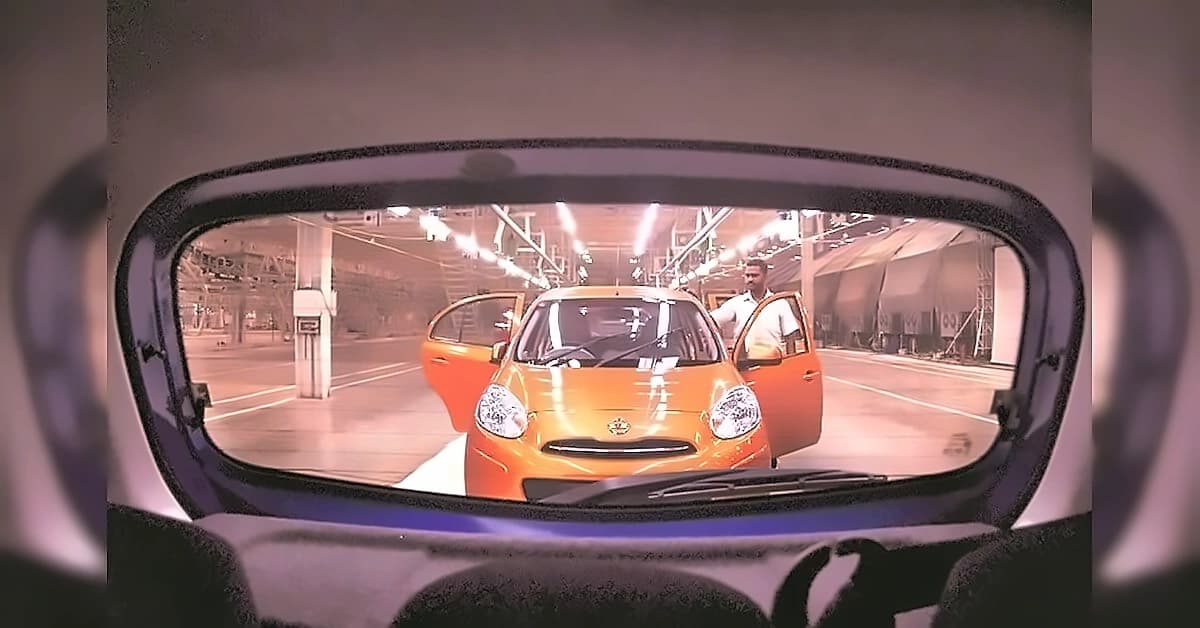
Chennai has transformed from the 'Detroit of Asia' to becoming a global automotive manufacturing center over three decades since India's economic liberalisation in 1991. According to reports from Business Standard, the city now contributes around 30% of India's automotive output of nearly 35 million units, boosted by two-wheeler sales. This compares favorably to the US' total production of around 11 million units last year, with Michigan state contributing around 21%. The transformation began when Ford Motors and Hyundai Motor established manufacturing units in Chennai in the mid-1990s, following the elimination of licensing requirements in the automotive sector by 1994.
Chennai's automotive ecosystem demonstrates remarkable dominance across multiple segments. As reported by Business Standard, the state builds around 36% of India's two-wheelers and 25% of its four-wheelers. In electric vehicles, Tamil Nadu contributes around 60% of India's electric two-wheelers and 40% of tyre production. The auto component industry is valued at around ₹6.4 lakh crore ($80 billion) globally, with Tamil Nadu accounting for 35% of this value, mostly concentrated in Chennai. The city hosts over 100 major suppliers, 350 Tier I and Tier II suppliers, and over 4,000 small and medium entrepreneurs.
Chennai's automotive journey began in the early 20th century with dealers like Addison & Co, Madras Automobile, and TVS Group establishing service stations and importing automobiles. According to Business Standard, the first automobile factory in Chennai was established in 1948 when commercial vehicle maker Ashok Motors (now Ashok Leyland) set up operations. By 1955, iconic British manufacturer Royal Enfield joined with Madras Motors to manufacture motorcycles. The state produces the highest number of engineering graduates in India annually with a 17% share, with the Madras Institute of Technology offering specialized automobile courses since 1949.
The automotive sector is witnessing significant investment in electric vehicle infrastructure and global expansion. As reported by Business Standard, Hyundai Motor India is committed to developing Tamil Nadu as an EV hub and launching its first EV, aiming for 90% localisation of EV components within five years. New players are entering the region, including Tata Motors Passenger Vehicles and its arm Jaguar Land Rover. The international exposure has helped build a strong home-grown talent pool, with Balakrishnan Govindarajan of Eicher Motors helping Royal Enfield achieve its highest-ever annual sales of 1.23 million units globally in FY26.
Despite Chennai's manufacturing achievements, significant gaps remain in research and development investment. According to Business Standard, Michigan's annual investment in automotive research and development comes to $13.2 billion, while the Indian auto industry's direct domestic R&D expenditure remains minuscule. However, Invest India data indicates that around 40% of the $31 billion spent globally on automotive engineering and R&D is outsourced to or operated through global capability centres in India, suggesting potential for future growth in this area.