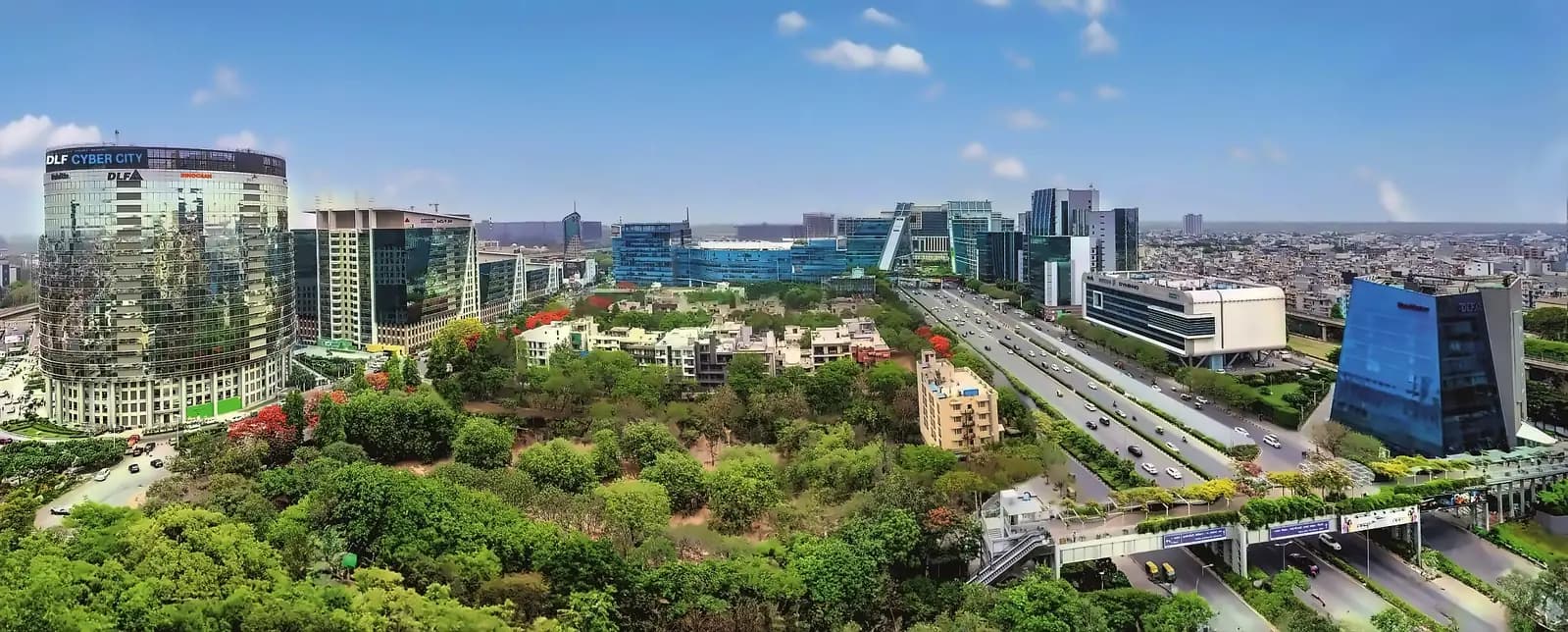
According to reports from Business Standard, Hyderabad's IT sector has experienced remarkable growth since economic liberalisation in 1991. Telangana's IT exports soared to ₹3.13 trillion in 2024-25, up over fivefold from ₹57,258 crore in 2013-14 during the time Telangana was carved out of Andhra Pradesh. The Software Technology Parks of India (STPI) Hyderabad exemplifies this transformation, with exports growing from ₹4.76 crore in 1992-93 to ₹1.45 trillion in FY25. The liberalised environment provided initial infrastructure, high-speed international data connectivity, and incubation facilities that enabled this dramatic expansion.
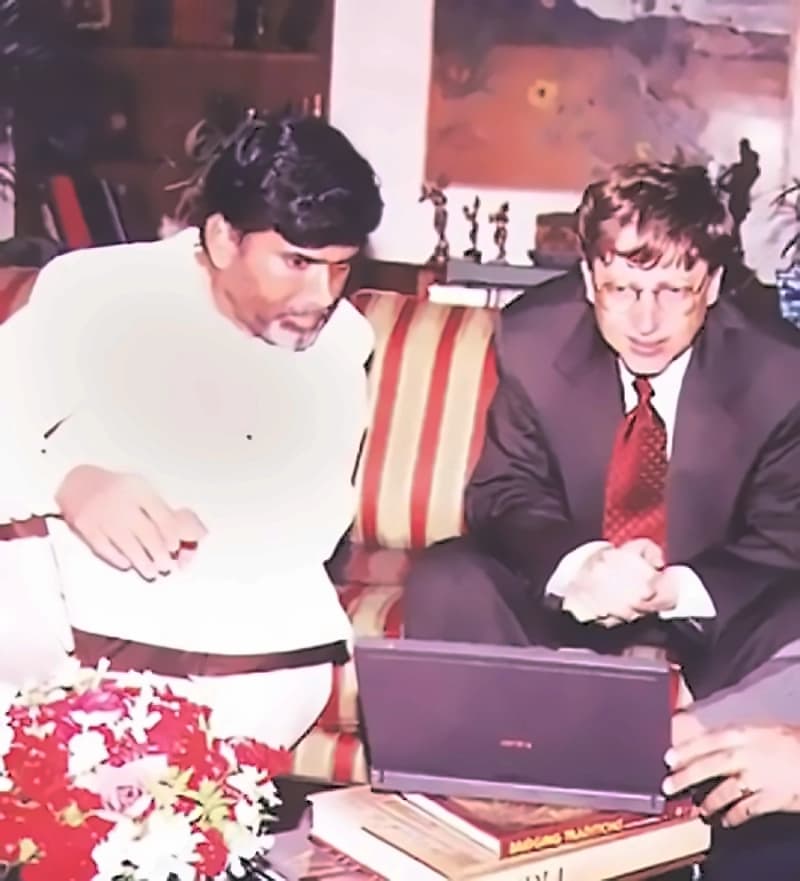
As reported by Business Standard, the turning point came when Chief Minister Nara Chandrababu Naidu secured a 45-minute meeting with Microsoft founder Bill Gates in March 1997, initially planned for just 10 minutes. The meeting resulted in Microsoft establishing its India Development Centre in Hyderabad in 1998, which served as the catalyst for other tech giants to follow. Companies like Oracle, IBM, Infosys, Tata Consultancy Services, Wipro, Cognizant, and Google established operations in the city during the late 1990s and 2000s. The city's growth expanded beyond software development to include BPO services, IT services, research and development, engineering services, and product development.
According to a Ficci and Anarock report cited by Business Standard, Hyderabad currently hosts around 515 Global Capability Centres (GCCs), representing approximately 20% of the national total. The office leasing market has shown significant growth, with foreign firm leasing increasing to 4.5 million square feet in 2025 from 1.9 million sq ft in 2021. Fresh leasing has already crossed 3 million sq ft this year, driven by the city's talent pool and cost advantages for foreign companies. This growth is leading to another transformation of the cyber city into a GCC hub.
As reported by Business Standard, Hyderabad has established itself as the life sciences and vaccine capital of India, producing around 40% of the country's pharmaceuticals and one-third of the global vaccine output. The city accounts for nearly one-third of the country's pharmaceutical production, one-fifth of its pharmaceutical exports, and one-third of global vaccine output. Major pharmaceutical companies including Dr. Reddy's Laboratories, Aurobindo Pharma, Natco Pharma, Granules India, Gland Pharma, and Divi's Laboratories are based in the city. The development of Genome Valley since 1999 houses more than 200 biotech and pharmaceutical companies from 18 countries, including facilities of six of the world's top 10 research & development firms.
According to Business Standard, Chief Minister Revanth Reddy's 'Telangana Rising 2047' vision aims to transform the state into a $1 trillion economy by 2034, and a $3 trillion global economy by 2047. The state is developing 'Bharat Future City' as the country's first net-zero smart city across a 30,000-acre area. Future City has already attracted close to ₹5 trillion worth of investment commitments, including investments from TCS HyperVault, Fortune Hospitality, Amazon Web Services (AWS), and CtrlS. The vision includes dividing the state into three regions: Core Urban Region Economy (CURE), Peri Urban Region Economy (PURE), and Rural Agriculture Region Economy (RARE), with the CURE area focusing on services sector development and rejuvenating the Musi river. As reported by The Times of India, the state is pitching its economy as a competition to international economic hubs like Singapore, Japan, and Germany, with the idea to develop around a 30,000-acre city that will act as a global hub for artificial intelligence, data centres, advanced manufacturing, research, innovation and emerging technologies.