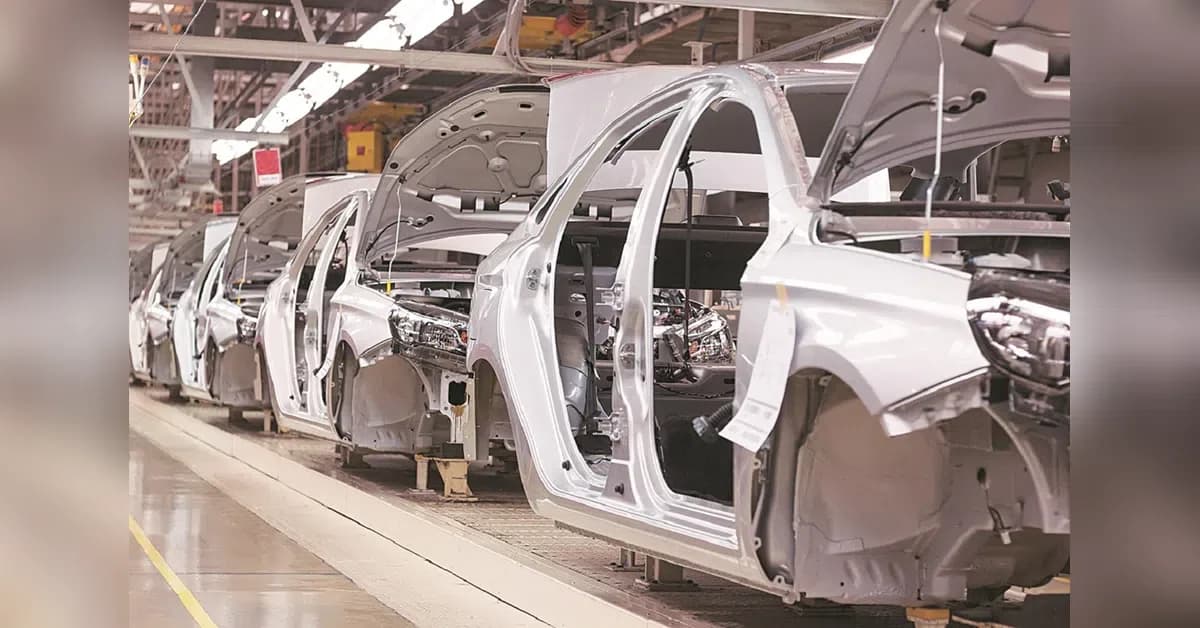
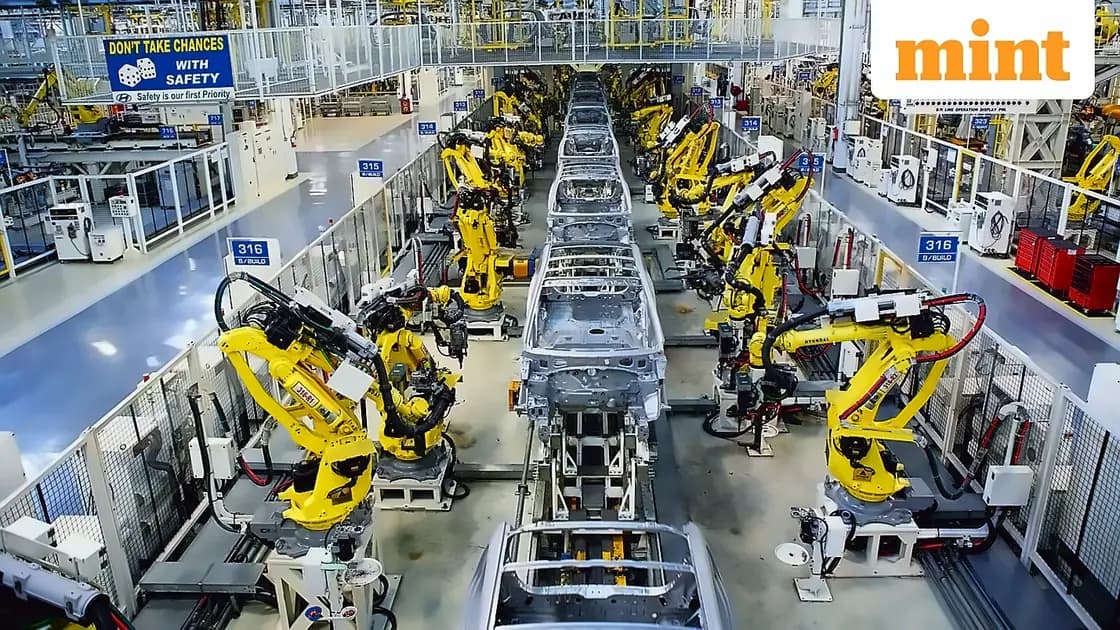
The automotive industry is experiencing a fundamental shift in recruitment strategy as vehicles evolve into sophisticated computing platforms. According to reports from Business Standard, carmakers are increasingly recruiting electronics engineers, coders, data scientists, cybersecurity and AI experts alongside traditional mechanical engineers and manufacturing specialists. This transformation, which began approximately five years ago, has gained significant momentum as vehicles become increasingly connected, electrified and software-defined. At Tata Motors, more than 60% of engineering hires are now from electrical, electronics, software and embedded systems, reflecting the convergence of traditional automotive engineering with digital technologies. As Sitaram Kandi, chief human resources officer at Tata Motors, explains, "This reflects the increasing convergence of traditional automotive engineering with digital technologies." The change is visible throughout the sector, comprising passenger vehicles, commercial vehicles, and two- and three-wheelers, as the industry embraces digital technologies to improve efficiency.
The technological revolution is creating significant opportunities for women in the automotive sector. As reported by Business Standard, Tata Motors employs more than 6,500 women shop-floor technicians across its operations and maintains an all-women workforce of around 3,000 at its Pune facility that assembles SUVs. Hero MotoCorp already operates an all-women assembly line and is targeting an increase in women employees from around 20% currently to 30% by 2030. MG Motor India has women accounting for over a third of its workforce, while Ashok Leyland operates an all-women assembly line in Hosur, Tamil Nadu. The sector's share of women employees is expected to rise well beyond the current 15% to over 20% in the coming years. Natwar Kadel, associate vice president and vertical head, human resources at Hyundai Motor India, confirms the trend: "We are seeing a growing need for talent in electrical, electronics, software, and embedded systems, especially in product planning, connectivity, mobility, procurement, and manufacturing engineering domains."
The role of software in vehicle development has experienced dramatic growth, with software now contributing around 40% of overall vehicle value, up from 10% five years ago according to Tata Motors. As reported by Business Standard, software engineers are now involved from the vehicle design stage, working alongside mechanical engineers to develop connected features, advanced driver-assistance systems (ADAS), over-the-air updates and battery management systems. This integrated engineering model enables faster development, tighter hardware-software integration and greater agility in delivering advanced vehicle technologies. Aditya Narayan Mishra, managing director and chief executive officer of CIEL HR, notes that "The growing demand for embedded software, ADAS, automotive cybersecurity, and software-defined vehicle capabilities indicates that automakers are investing in future-ready talent alongside their traditional engineering workforce."
As India rolls out its first data privacy and protection regime later this year, transparency over customer data is becoming a core competitive advantage for brands. Velusamy R, president of automotive business at Mahindra & Mahindra, emphasizes that the company treats data privacy and cybersecurity as core to its connected-vehicle strategy, maintaining "clear consent and data-governance processes, supported by access controls, encryption, monitoring, and incident-response mechanisms." Japanese automaker Nissan follows "very rigid processes" to protect customer data and complies with local regulations before rolling out connected technologies. However, C S Vigneshwar, president of the Federation of Automobile Dealers Associations, believes the industry needs "stronger safeguards and firewalls," noting that "if a different installation gets hacked, if huge banks are getting hacked, if nuclear installations are getting hacked, why not a car?" Sven Patuschka, chief technology officer of Tata Motors Passenger Vehicles, believes privacy cannot be bolted on as an "after-the-fact" measure, stating that data governance should not be viewed merely as a compliance requirement but customers should know what is collected, why and what they get in return.