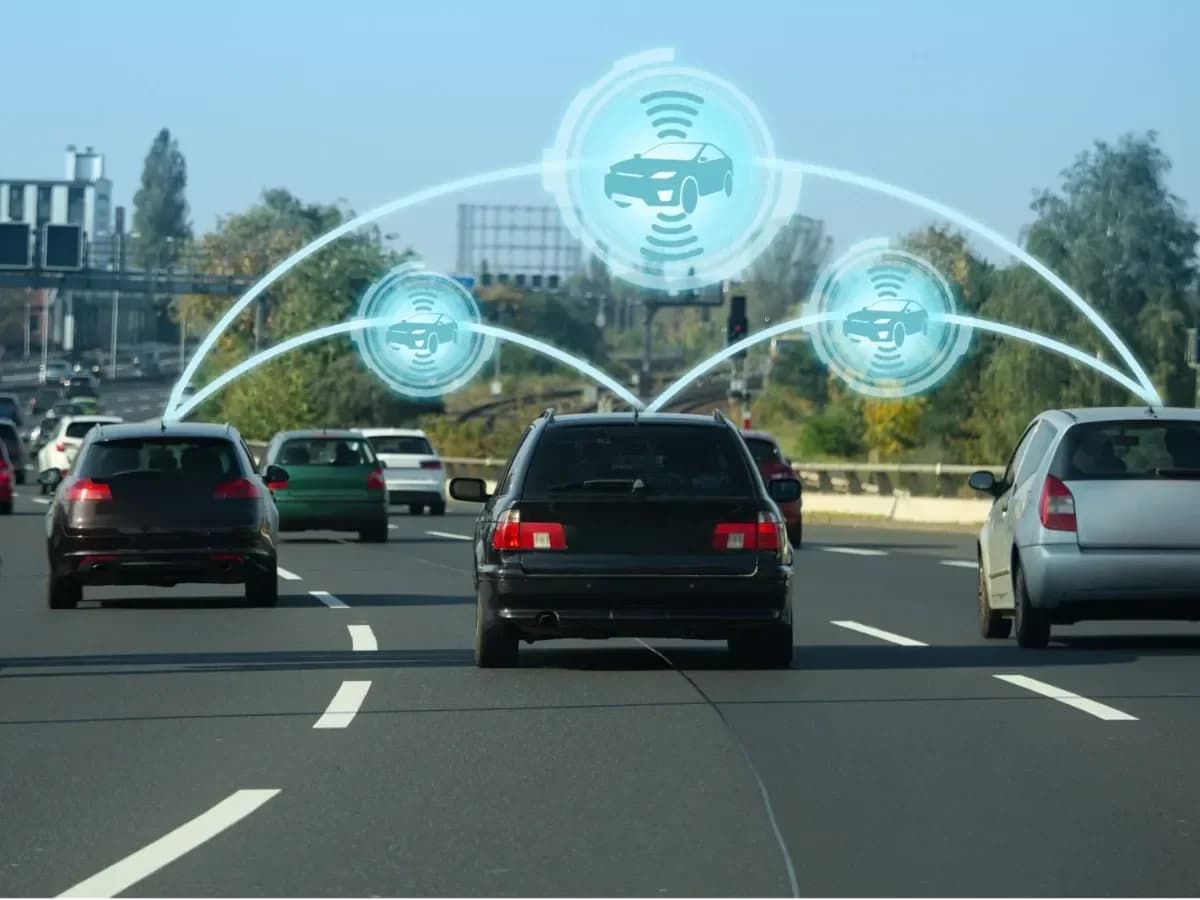
Union Minister of Road Transport and Highways Nitin Gadkari announced that India is preparing to roll out Bharat NCAP 2.0 starting October 2027. According to reports from Essential Business Intelligence, this more stringent vehicle safety framework will fundamentally shift how vehicle safety is assessed in the country. The new protocols will evaluate the entire chain of a vehicle crash rather than focusing solely on standard crashworthiness, marking a significant upgrade from the current safety assessment methods.
Bharat NCAP currently offers testing at a 75% lower cost compared to international alternatives, as reported by Essential Business Intelligence. This massive price advantage has led many foreign automobile companies to send their vehicles to India specifically for safety testing and certification. The cost-effective structure has contributed to the growing global appeal of India's indigenous crash-testing program, supporting the country's position as the third-largest automaker globally and its ambition to become the world's largest automaker.
The 2027 update will mandate a comprehensive approach to vehicle safety, prioritizing pedestrian protection, active crash prevention technologies, and crucial post-crash care mechanisms, according to Essential Business Intelligence. Gadkari emphasized that passive safety measures are no longer enough for modern vehicle safety standards. The new protocols will integrate advanced parameters to transform India from a global manufacturing powerhouse into a leader in pioneering affordable, world-class vehicle safety standards.
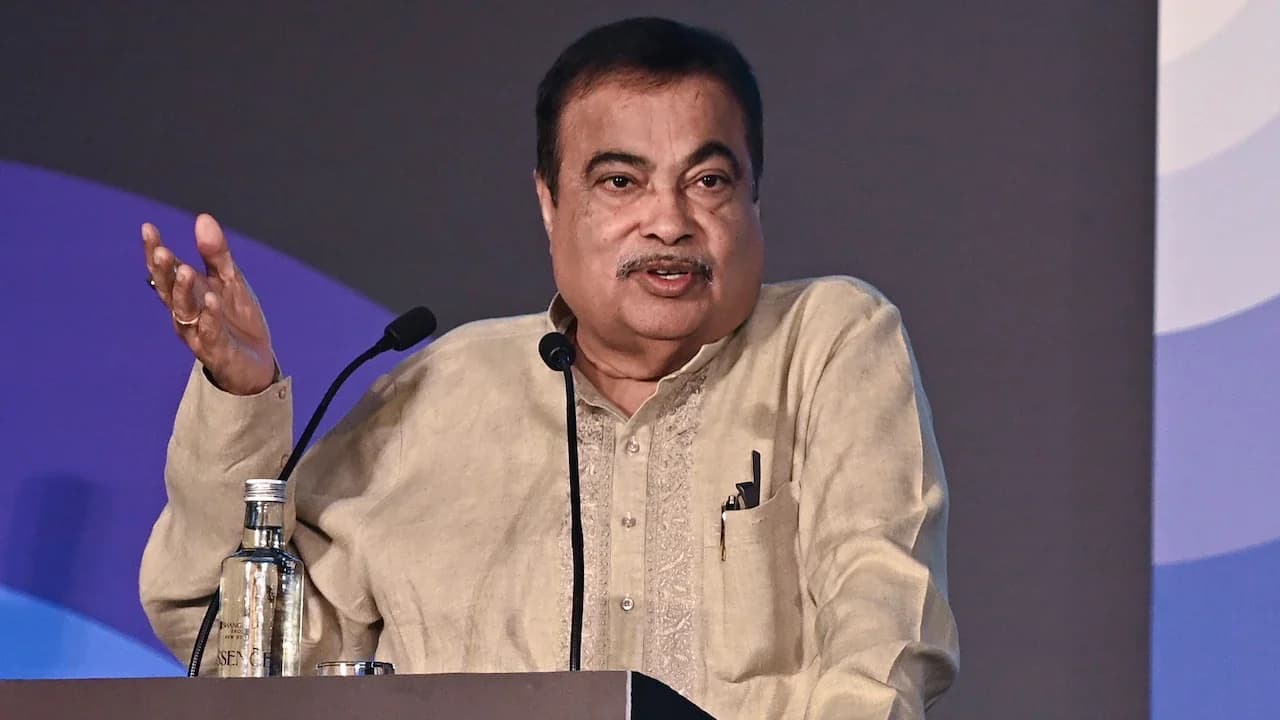
Despite the booming automotive market, India currently ranks number one globally in road accidents, as acknowledged by Gadkari in his statements reported by Essential Business Intelligence. The minister did not shy away from the country's grim road safety record, emphasizing that the upcoming Bharat NCAP 2.0 will be crucial for addressing these critical safety concerns and improving India's overall road safety performance.