India's auto-component industry is experiencing rising pressure on manpower and raw materials from fast-growing sectors such as data centres and renewable energy, even as vehicle demand remains strong. According to an Automotive Component Manufacturers Association of India (ACMA) and Boston Consulting Group (BCG) report released at the 66th annual ACMA event, this resource squeeze compounds existing supply-chain disruptions, labour shortages and demand volatility. As reported by BCG partner and managing director Saurabh Chhajer, auto-components in various clusters compete with industries experiencing a super cycle, including data centres, renewables, and common raw materials, creating additional stress through shared manpower requirements. "Auto-components in a lot of clusters compete with quite a few industries which are themselves seeing a bit of a super cycle. So data centres, renewables, and quite a few raw materials in these spaces are common. The need for manpower is common. That's sort of adding to the stress," Chhajer explained.
Despite the operating challenges, demand remains robust across the auto-component sector. ACMA Director General Vinnie Mehta noted strong momentum in the first quarter and July, with original equipment manufacturer (OEM) schedules indicating continued traction heading into the festive season and expectations of another strong financial year. According to Mehta, the industry is facing an unprecedented amount of challenges, with customers becoming very demanding, enabling the vehicle industry to deliver complex products backed by the component industry's support. "The industry is facing an unprecedented amount of challenges. A customer is becoming very demanding, and therefore, the vehicle industry is able to deliver. Backing the vehicle industry is the component industry, and together we are able to meet the complexity of the product and the complexity of the ecosystem," Mehta added.
The competition for resources could intensify as India increases investment in data-centre infrastructure and renewable energy. Globally, data-centre investment is projected at $7 trillion by 2030 according to McKinsey estimates. BCG values the auto-component sector at around $80 billion, with exports of $23 billion, and the industry is targeting $100 billion in exports by FY30. This growth trajectory, combined with India's expanding data centre and renewable energy sectors, creates additional pressure on shared resources and talent pools.
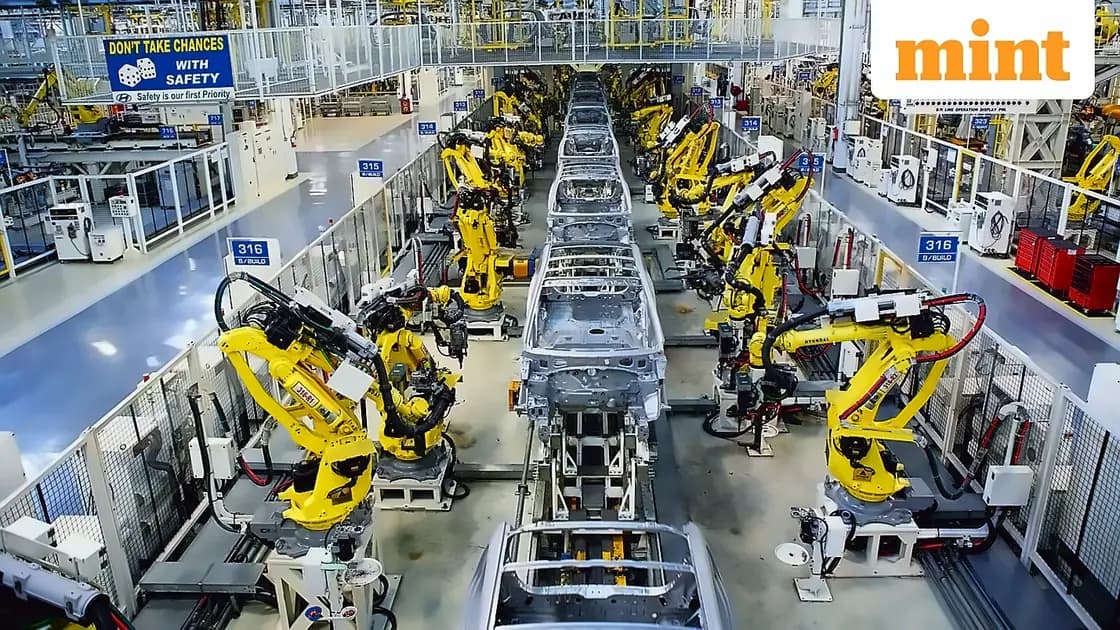
Component makers are responding to these challenges by expanding exports and deepening integration with global supply chains. To navigate multi-tier supply chains, demand volatility and rising OEM expectations for quality and reliability, more than two-thirds of surveyed auto-component manufacturers have adopted smart factory initiatives at the pilot, scale-up or fully integrated stage. These initiatives are aimed at improving productivity and mitigating manpower constraints, positioning the sector to meet the complexity of both product requirements and ecosystem demands.