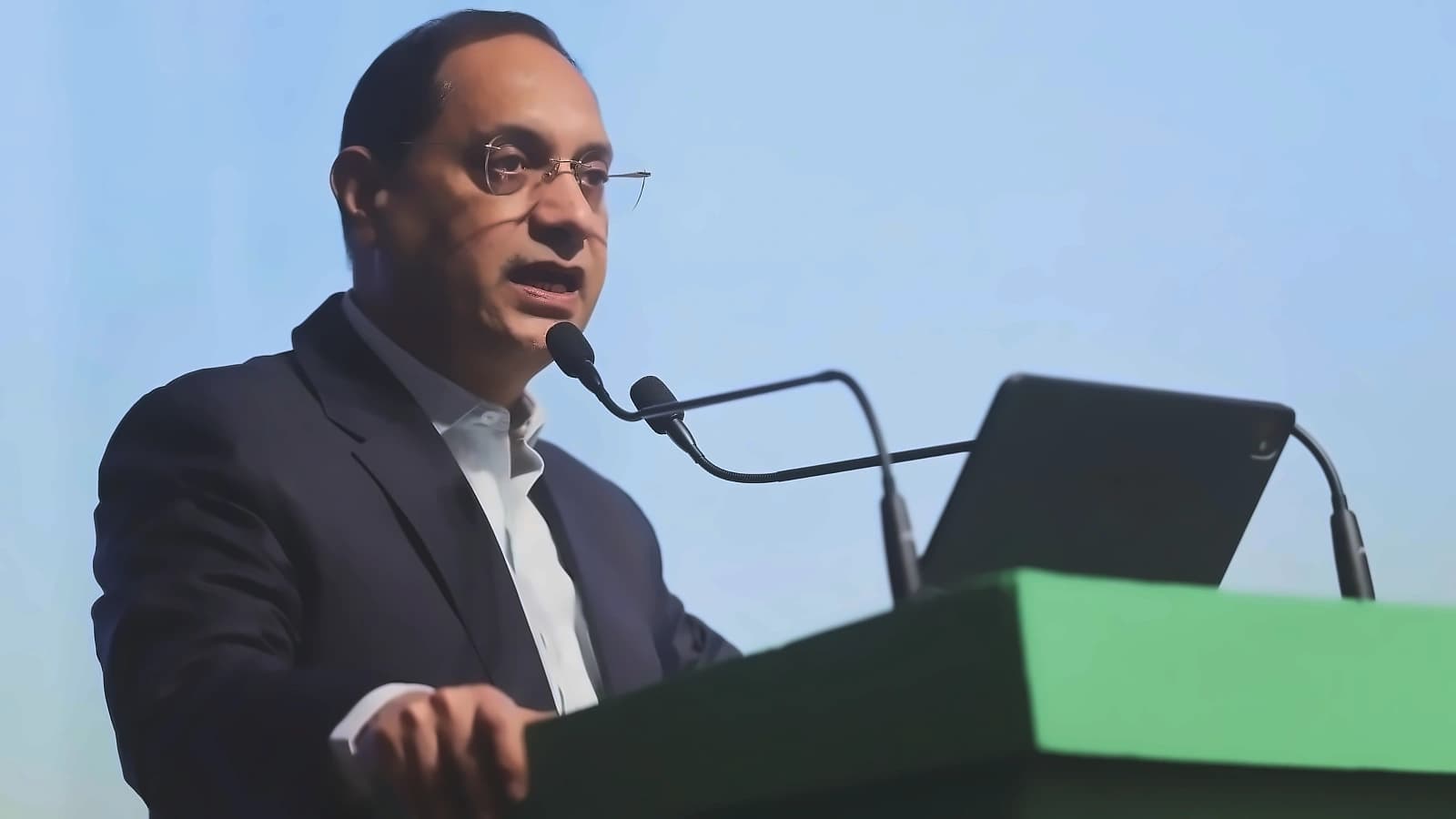
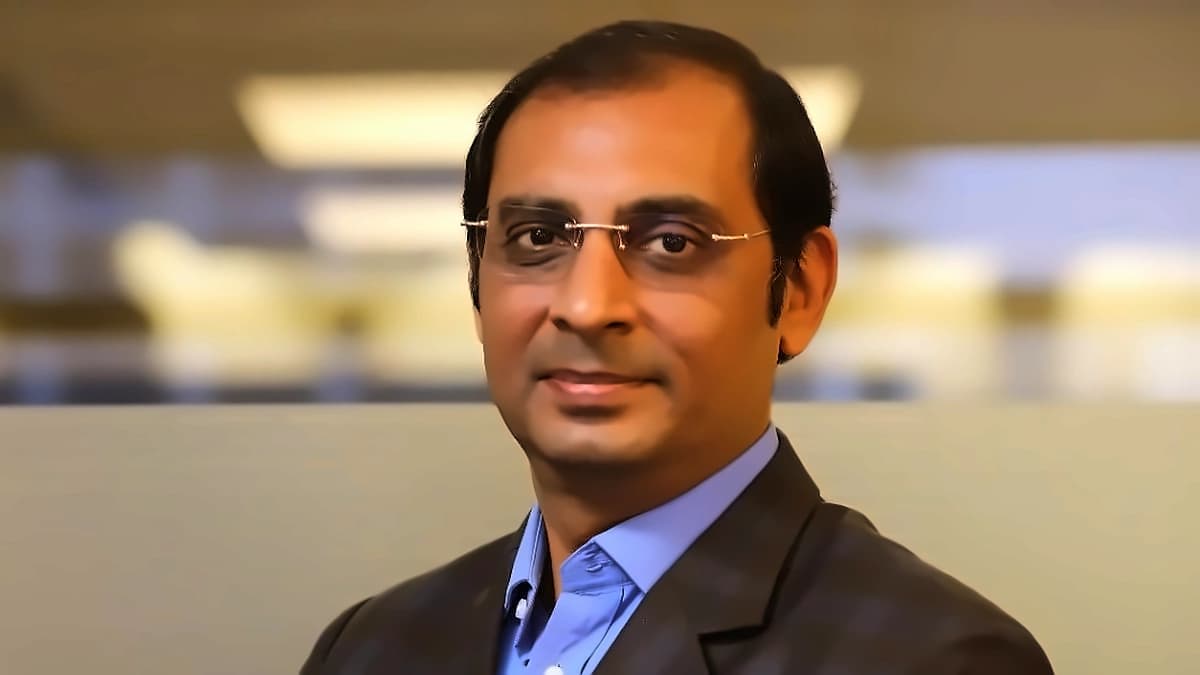
According to reports from The Economic Times, Anand Rathi Wealth's AUM fell 6% in Q4 FY26, but CEO Rakesh Rawal wants investors to look past the headline number. The decline was entirely attributable to a roughly 10% markdown in market values, driven by the broader geopolitical-led correction. Rawal was direct about the arithmetic, noting that net inflows remained solidly positive in Q4 — meaning clients were adding money, not pulling it. His message emphasized this is temporary, and as markets recover, AUM will follow.
As reported by The Economic Times, Q4 results included a sharp jump in other income, primarily from valuation gains on investments in its NBFC arm Anand Rathi Global — a one-time item. There were also one-off costs related to management stock options. Rawal urged analysts to focus on the ex-one-off numbers: underlying profit growth of 29% and revenue growth of 22% for FY26. He guided for a 'fairly strong' FY27 on both metrics, with profit growth expected to broadly track revenue growth as margins approach — but have not yet hit — their ceiling.
According to The Economic Times, despite the market turbulence, Rawal flagged no intention to restructure the product mix. Equity mutual funds continue to anchor the portfolio at 50–55%, followed by structured products at 28–29%, other assets at 14–15%, and debt at around 4%. The stability is deliberate — the allocation is calibrated to deliver a 14–15% annual return to clients at a beta of 0.6, a risk-return profile Rawal said has remained consistent for years and will continue to guide product decisions going forward.
As reported by The Economic Times, with FY26 annual net inflows of approximately ₹13,000 crore expected to grow further in FY27, and a management team betting that business results can stay market-agnostic through disciplined strategy, Anand Rathi Wealth is positioning itself as a steady compounder. Rawal described investors as 'seasoned people' who have absorbed the volatility and remain constructive heading into FY27. The company's strategy focuses on long-term investing where markets play a limited role compared to strategy, with the CEO emphasizing that 'strategy plays a larger role' in long-term wealth creation.