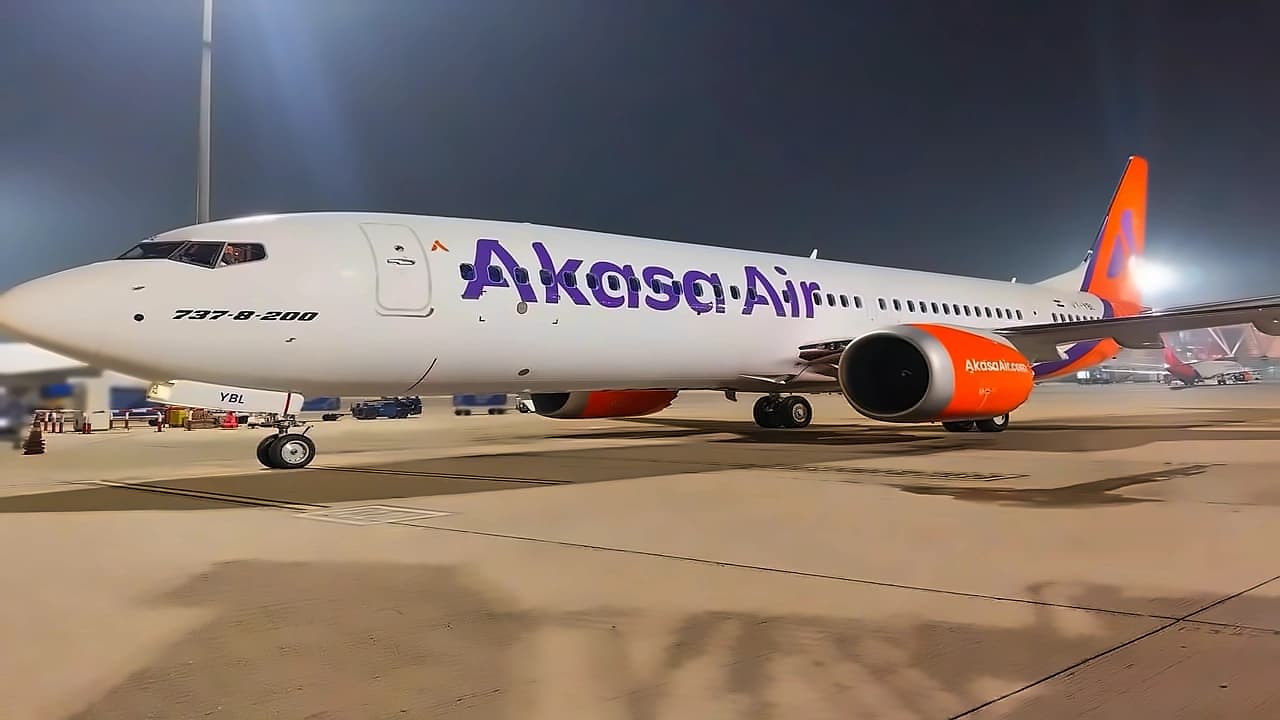
India's aviation sector experienced significant capacity reductions during March and April 2026, with the country's four major airlines operating nearly 6% fewer flights compared to the same period last year, according to Cirium aviation analytics data. IndiGo, the country's largest airline, reduced flights by 4.5%, while Air India Ltd.'s full-service airline cut services by 7.5% and its low-cost unit Air India Express reduced capacity by 17.1%. In contrast, Akasa Air emerged as the only carrier adding meaningful capacity, expanding by 13.2% over the same period.
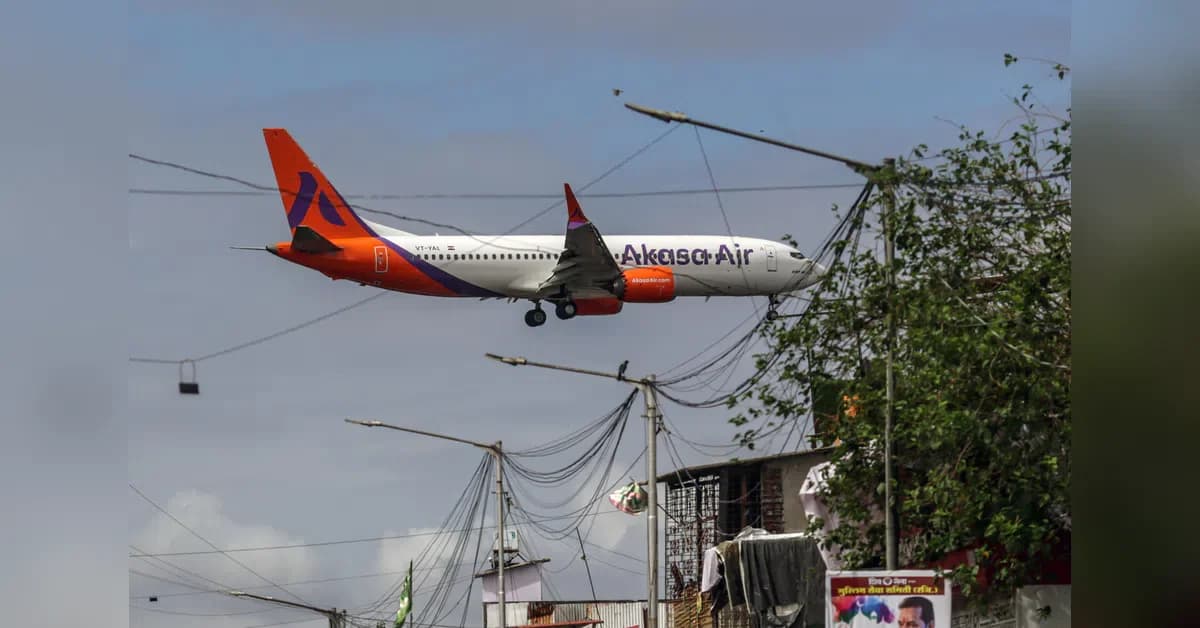
Akasa Air, India's youngest airline founded during the coronavirus pandemic and making its first commercial flight in 2022, operated 10,109 flights in March and April 2026, representing approximately 4.7% of total domestic and international flights by Indian airlines during the period. The low-cost carrier currently operates 38 Boeing 737 MAX aircraft and has placed a firm order for 226 additional planes to be delivered in coming years. Despite its smaller scale, Akasa carried 5.4% of passengers in March according to government data, significantly behind IndiGo's 63.3% and Air India Group's combined 26.2% market share.
The latest West Asia conflict, which escalated after the US and Israel launched air strikes on Iran on February 28, has significantly impacted India's aviation sector through higher fuel costs and disruptions to international routes. Carriers have been forced to cancel flights and divert international routes around Iranian airspace, adding to existing challenges from the inability to use Pakistani airspace. Domestic demand has also softened as airlines have passed on higher fuel and operating costs through increased fares, with SpiceJet managing only a 1% increase in flights during the period.
India's commercial passenger aviation market has been dominated by IndiGo and Air India Group, which control nearly 90% of domestic capacity in recent years. Akasa Air is owned by SNV Aviation Pvt., whose shareholders include founder and CEO Vinay Dube, the family of late billionaire Rakesh Jhunjhunwala, a private equity fund overseen by 360 ONE Asset Management, and other investors. The Mumbai-based airline currently operates domestic routes and flies to seven international destinations, positioning itself as a growing threat to the established duopoly despite its smaller fleet compared to competitors.