According to Business Standard, Akasa Air has successfully launched operations in Rajasthan with daily flights to Jaipur and Udaipur starting October 2026. The airline's QP 1530 pushed back from Jaipur International Airport at 1130 hrs on 11 October 2026 for Bengaluru, marking the airline's first operational station in Rajasthan. As reported by Business Standard, the launch was marked with a ceremonial lamp lit at Jaipur airport in the presence of Anand Srinivasan, Co-Founder and Chief Commercial Officer of Akasa Air, and airport leadership. The airline operates eight daily flights across four routes - daily nonstop services to Mumbai and Bengaluru from both Jaipur and Udaipur, with each route utilizing a 189-seat Boeing 737 MAX aircraft. Srinivasan described Rajasthan as a natural extension of the airline's network strategy, calling Jaipur a mature and diversified travel market and pointing to Udaipur's strength in leisure and hospitality travel.
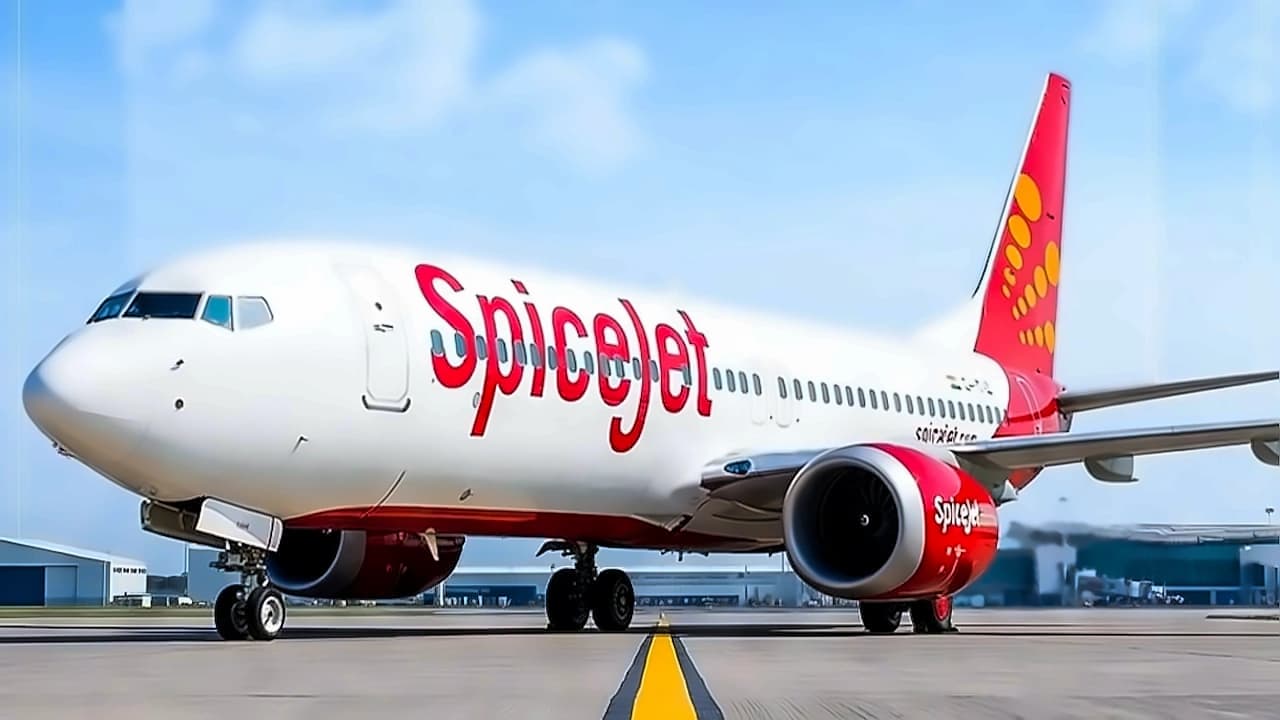
According to reports from Business Standard, Akasa Air has successfully pushed out SpiceJet to claim the third position in India's aviation market. The Mumbai-headquartered airline has secured a 17% share on the 66 domestic routes it will operate starting November, based on available seat per kilometres (ASK) data. More significantly, between Mumbai and Delhi - the largest and fastest growing route in the country - Akasa Air has crossed a double-digit seat capacity share of over 13% in the third quarter of calendar year 2025-26, putting it far ahead of SpiceJet with just 5% market share. This achievement helped Akasa Air oust the financially troubled carrier from third spot, though it remains a distant third compared to the dominant duopoly.
As reported by Business Standard, Akasa Air operates with a fleet of only 43 aircraft, built up over four-and-a-half years since its launch. This compares unfavorably to IndiGo, which dominates with a fleet ten times larger, and Air India group, which has six times Akasa Air's fleet size. The airline's overall domestic passenger market share in August 2026 was only 5.5%, according to the Directorate General of Civil Aviation. Despite operational efficiency with a passenger load factor of 88-90% - among the best in the industry - Akasa Air's financial challenges persist, with net losses mounting from ₹1,983 crore in FY25 to ₹2,716 crore in FY26, accounting for a substantial 44% of its revenue. By contrast, IndiGo's net loss in FY26 was only 2.67% of its revenue.
According to Business Standard, Akasa Air has ambitious growth targets, aiming for 30% capacity growth in FY27 - the highest among existing airlines - and 30-40% annual growth over the next four to five years. The airline expects to receive 183 more Boeing 737 Max aircraft by December 2032, having already ordered 226 aircraft before starting operations. Akasa Air focuses on three hubs - Mumbai, Delhi, and Bengaluru - with 52% of its flights taking off from these cities. In October, the airline's seat capacity increased by 35.6% year-on-year, while all other Indian carriers cut their capacity. The airline is also leveraging new capacity at Navi Mumbai and Noida airports, becoming the third largest operator at Navi Mumbai and largest at Noida by seat capacity in September.
As reported by Business Standard, Akasa Air started international operations from March 2023 and currently deploys 25% of its network capacity in foreign skies, mainly to West Asia destinations. The airline's flying range of 5-6 hours enables flights to Singapore, Indonesia, Malaysia, Colombo, Uzbekistan, Hong Kong, Nairobi, and Seychelles. However, international expansion faces challenges as slots in many routes are already taken under bilateral agreements, limiting growth to only seven international cities. Aviation analyst Ameya Joshi noted that Akasa Air has made inroads in Delhi and Mumbai - the two most slot-congested airports - over the last four years and occupied prime slots, positioning it well for future traffic growth and yield increases.

According to Business Standard, rating agency Icra has maintained SNV Aviation Pvt Ltd under 'rating watch with negative implications' in September, reflecting the impact of the West Asia crisis on the company's operating performance and liquidity position. The airline's losses are primarily funded through liquidity gains from aircraft sale and leaseback arrangements at delivery time. In FY26, Akasa Air raised $125 million from existing investors including the Jhunjhunwala family and Premji Invest, and is seeking to raise another $10 million through equity and debt. Vinay Dube, founder and CEO, emphasized the importance of scale for profitability, stating that with a fleet of 43 aircraft, reaching 75 and then 100 would take the airline to sustainable profitability. The big question remains whether Akasa Air can craft a sustainable business model in India's duopoly market where IndiGo and Air India group ferry 92% of domestic passengers.