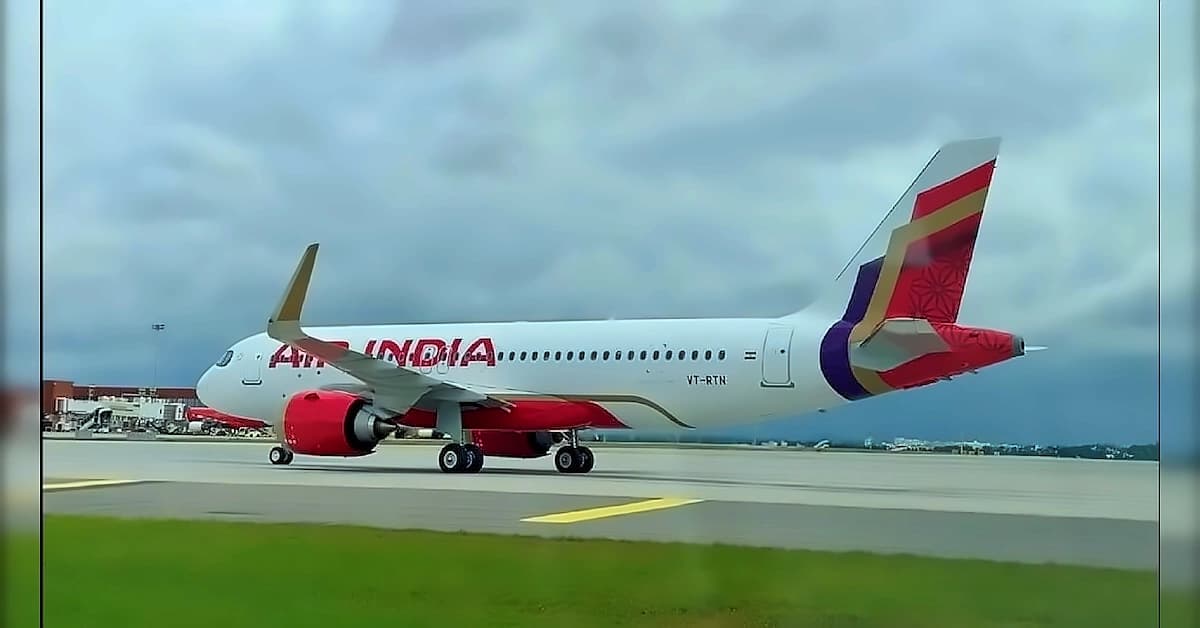
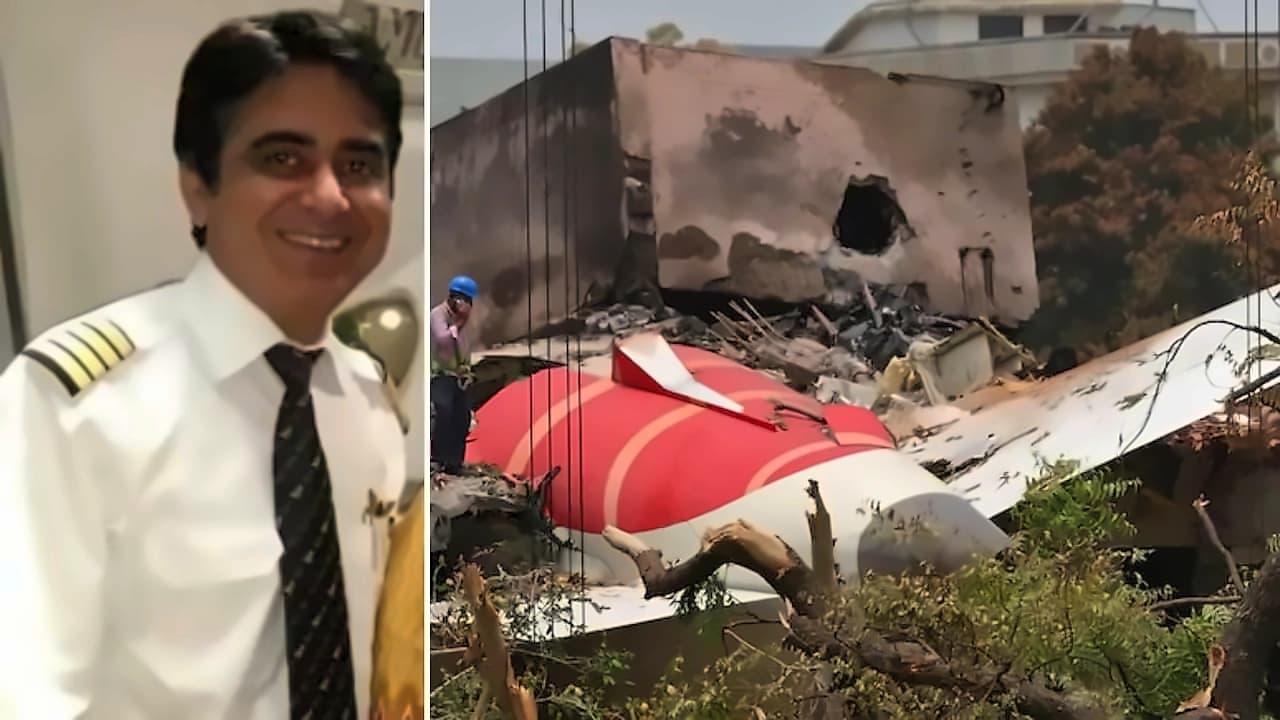
Air India has terminated the employment of the Pilot-in-Command of its Phuket-Delhi flight after he tested positive for a psychoactive substance. According to an Air India spokesperson, the airline's zero-tolerance approach to violations of safety, fitness or regulatory requirements led to the immediate termination decision. The action follows a preliminary report by the Aircraft Accident Investigation Bureau (AAIB) into the August 4 incident involving Air India flight AI-2379, which found the Pilot-in-Command's psychoactive substance test non-negative in confirmatory testing. The preliminary report did not establish that the substance finding caused the altitude upset, with the detailed investigation into technical and other aspects remaining underway.
The Aircraft Accident Investigation Bureau (AAIB) has confirmed that the pilot-in-command of Air India flight AI2379 from Phuket to Delhi tested positive for a psychoactive substance in a confirmatory test. According to the latest AAIB report, the pilot was found 'non-negative' for psychoactive substances, which the bureau describes as a 'serious concern' requiring immediate action. The preliminary report does not name the specific substance or the pilot involved, using regulatory terminology to maintain confidentiality while recommending 'appropriate action by DGCA on priority'. The AAIB's preliminary report reveals that the confirmation of use of psychoactive substance is a serious concern, prompting urgent safety concerns and regulatory action. The interim safety recommendation asked the regulator to 'take appropriate actions as deemed fit to prevent abuse of psycho-active substance'. A psychoactive substance detection test found the pilot-in-command's sample non-negative, while the co-pilot's sample was negative. The report stated that both flight crew members underwent post-flight medical screening in Delhi and their breathalyser results were satisfactory.
The 4 August incident involved an Airbus A320-251N carrying 145 people that experienced significant hydraulic system failures while cruising at 36,000 feet. As reported by The Times of India, the aircraft lost pressure in all three hydraulic systems - Green, Blue, and Yellow - causing an altitude upset and resulting in 24 injuries among passengers and crew. The flight crew also reported no discrepancies during their walk-around inspection. The flight was operating as flight AI-2379 and lost all three hydraulic systems while cruising at 36,000 feet over Odisha. The aircraft initially gained 372 feet and then fell 292 feet from its assigned altitude, highlighting the severity of the hydraulic system failures. The incident resulted in a 300-foot altitude drop, with the aircraft landing safely at IGI airport where 20 passengers and four cabin crew received medical assistance. The hydraulic failure itself unfolded within a five-second window when the aircraft was cruising at 36,000 feet after being cleared to climb from FL340 to FL360 after entering Kolkata Flight Information Region.
According to the AAIB report, the hydraulic systems experienced a sequential failure pattern with the Green system losing pressure first at 04:02:43 UTC, followed by losses in the Blue and Yellow systems four seconds later. The autopilot disengaged at 04:02:48 UTC, followed by a stall warning that lasted two seconds. The Blue system recovered in nine seconds at approximately 04:02:52 UTC, followed by recovery of the Yellow and Green systems. The aircraft encountered an altitude upset, gaining 372 feet before falling 292 feet from its assigned level. The co-pilot, who was Pilot Flying, responded first to the upset before the captain took over the controls, with recovery restoring normal flight control surfaces within seconds of the failure. The aircraft sustained extensive damage including cracked ceiling panels across multiple rows, dislodged overhead bins, a broken emergency exit handle, a lavatory commode uprooted from its original location, and a bent crew seat. No discrepancies were recorded during the aircraft's pre-flight inspection at Phuket, except for an already invoked Minimum Equipment List item.
Under DGCA rules, a first confirmed case of psychoactive substance use does not automatically result in licence cancellation or suspension. As reported by Hindustan Times, the pilot must undergo rehabilitation or de-addiction and can return to flying only after completing the prescribed process. A second confirmed violation can lead to a three-year licence suspension, while a third violation can result in licence cancellation. Sources close to the investigators told Hindustan Times that the pilot slept for at least 30 to 35 minutes during the flight, which could have contributed to the incident. Both pilots underwent breath-analyser tests and subsequent psychoactive substance tests after landing in Delhi, with the co-pilot testing negative in both tests. The aircraft was dispatched from Phuket under an active Minimum Equipment List item for the Power Transfer Unit, which was invoked a week earlier on July 28.
An Air India spokesperson confirmed the airline is providing full cooperation to the investigation and has implemented voluntary testing of 100% of its pilots as part of enhanced safety measures. According to the airline statement reported by Zee News, Air India maintains zero tolerance for any breach of safety, fitness or regulatory requirements and will take appropriate action wherever warranted. The AAIB has downloaded flight recorder data and collected hydraulic components for further analysis, with Airbus technical experts inspecting the aircraft between 13 and 15 August. The investigation is continuing with further probe underway to address the serious safety concerns raised by the incident, with a detailed investigation in the matter underway and the final report to be published in due course. The report added that detailed investigations regarding technical and other aspects are underway, with flight recorders, maintenance and operational records, hydraulic components and samples, as well as other material being examined.