An Air India Airbus A320 dropped approximately 300 feet during a flight from Phuket to Delhi on August 4, 2026, injuring 24 people on board. According to a preliminary Airbus analysis reviewed by Reuters, the aircraft experienced a sudden loss of hydraulic pressure that briefly left key flight controls unresponsive. The flight landed safely in Delhi despite the altitude loss, with Air India initially describing the event as turbulence-related before later clarifying it as a sudden loss of altitude. The incident occurred on Air India flight AI2379, which was operating from Phuket International Airport (HKT) to Delhi's Indira Gandhi International Airport (DEL). As per the Associated Press, the aircraft later stabilized and landed safely with 145 people aboard. The AAIB probe agency confirmed on August 11 that the A320 aircraft with registration VT-EXO experienced a sudden altitude variation of approximately 300 feet during cruise.
Airbus' initial analysis revealed the aircraft registered losses in all three hydraulic systems in quick succession, which use pressurised fluid to power flight controls and equipment. The system failures occurred within two seconds - with the first hydraulic system lost at 9:32:44 IST (4:02:44 UTC), followed by the remaining two systems at 9:32:45 IST (4:02:45 UTC). During this critical period, pilots were unable to use the elevators and ailerons - movable parts on the wings and tail that control pitch and bank movements. The aircraft's elevators and ailerons were unavailable for about four seconds during the incident, as reported by Airbus in their latest communication responding to an Air India request for assessment. The first officer applied a full nose-down input, but there was 'no direct response' from the flight-control surfaces before the hydraulic systems recovered within seven seconds at 9:32:51 IST (4:02:51 UTC). The A320 uses digital fly-by-wire controls where pilot sidestick movements are processed by flight-control computers, which send electrical commands to hydraulically powered actuators. The absence of immediate surface response provides evidence of the interruption, though it doesn't identify what removed the pressure or caused the aircraft's initial pitch change.
Airbus' preliminary assessment did not establish the cause of the hydraulic pressure loss. The planemaker has requested Air India to conduct tests on the aircraft's hydraulic systems and pressure sensors, as well as remove some sensors for inspection. Airbus also found the aircraft experienced forces above specified limits during the sudden altitude change and asked for inspection of possible structural damage. The company requested detailed hydraulic system maintenance records from the past month and more detailed pilot accounts. Airbus' reported inspection request covers pressure-sensing components and electrical paths as well as hydraulic hardware, indicating that the investigation has not settled whether the readings reflected actual pressure loss or another system problem. The A320 Family uses separate Green, Blue, and Yellow hydraulic circuits, each normally operating at 3,000 pounds per square inch and supplying part of the aircraft's flight-control system. A fault affecting one circuit should not automatically remove every hydraulic source serving the primary flight controls, making the rapid pressure-loss sequence across all three systems particularly concerning.
Indian authorities have classified the incident as a serious incident, with the Aircraft Accident Investigation Bureau (AAIB) investigating with technical assistance from Airbus and France's BEA. The AAIB inquiry includes flight data, aircraft systems, maintenance and operational records, medical information, and interviews. The preliminary Airbus assessment adds a specific sequence for investigators to test; it is not a finding of probable cause. The central question now is why did three independent systems register pressure losses within seconds of one another, and why did pressure return? Investigators will need to align sidestick position with hydraulic-pressure data, actuator and surface positions, aircraft attitude, acceleration, autopilot status, and flight-control-computer messages. The timing matters at fractions of a second to show when controls became unavailable, when pressure recovered, and how the aircraft responded as authority returned. The Airbus aircraft VT-EXO (MSN 8470) was officially delivered to Air India on November 21, 2018 and is leased to the airline from Macquarie AirFinance.
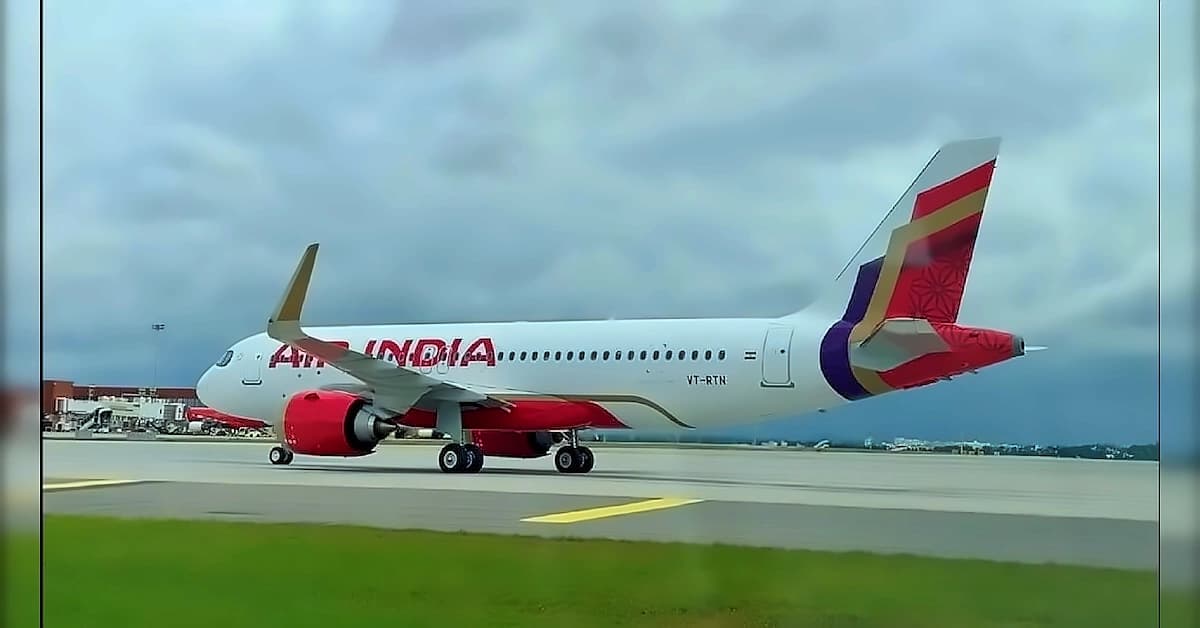
The incident adds to challenges facing Air India as former Ethiopian Airlines chief Tewolde Gebremariam prepares to take over as CEO. The Tata Group-controlled carrier is trying to turn itself around while grappling with mounting losses and increased safety and regulatory scrutiny following the June 2025 crash of one of its Boeing 787s in Ahmedabad, India, which killed 260 people. Air India has implemented mandatory substance testing for all pilots following the incident, with the flight's captain testing positive for marijuana in a confirmatory drug test, according to a source familiar with the matter. No link between the test result and the altitude loss has been established to date, but Air India on Thursday began mandatory substance testing for all pilots, according to an internal memo. The testing program will cover over 5,000 pilots across Air India and Air India Express, both owned by the Tata Group. Any fleetwide action would require a separate manufacturer or regulator communication; the airline-specific assessment reviewed by Reuters does not amount to one. The A320 uses digital fly-by-wire controls with redundant hydraulic systems, where a fault affecting one circuit should not automatically remove every hydraulic source serving primary flight controls. However, the rapid pressure-loss sequence across all three systems directs investigators toward recorded data, hydraulic component condition, and anything capable of affecting more than one system.