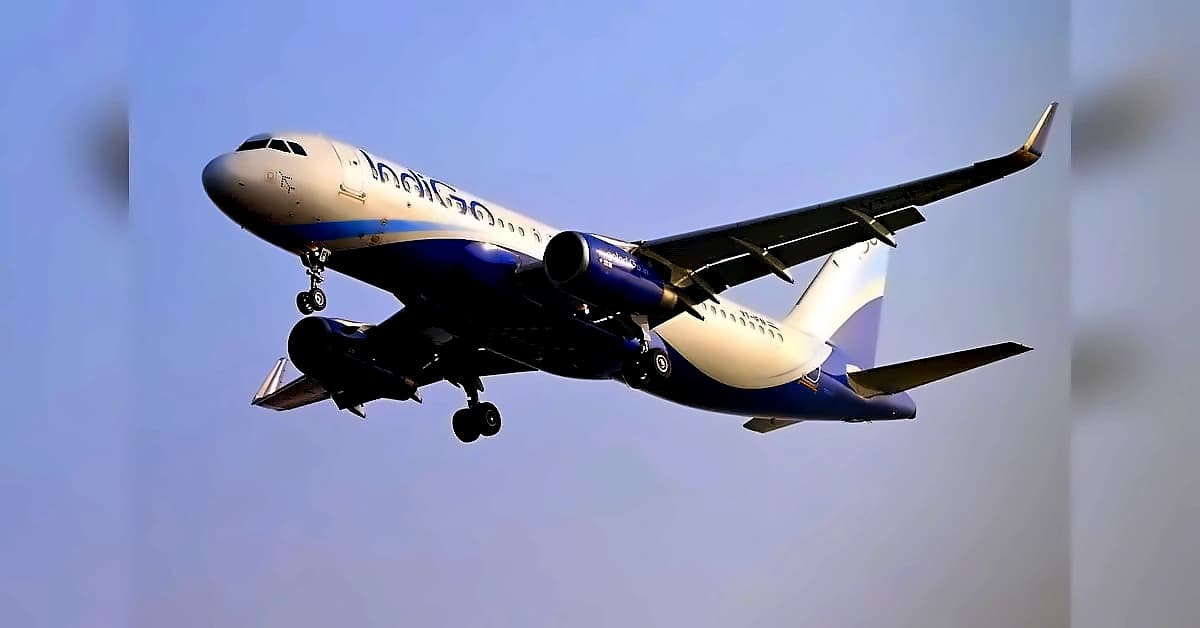
Air India clawed back some lost ground in India's domestic aviation market in August as the Tata group expanded operations, largely through budget carrier Air India Express. According to Mint reports, Air India's market share rose 2.7 percentage points to 26.7%, while market leader IndiGo's share slipped to 65% from its July peak of 67.4%. The Tata airlines carried 3.23 million domestic passengers in August, up 12.4% from 2.9 million in July, snapping two months of declines. The rebound was driven by additional capacity rather than a broader pickup in demand, with Air India Express stepping up flights as the group continued to redraw the roles of its two airlines. DGCA data confirms this trend, showing Air India Group's share increased from 24% in July to 26.7% in August, while IndiGo maintained its dominance despite the decline.
The Tata group's domestic market share was at 24% in July, making the August recovery particularly significant. As reported by Mint, the group has been reshaping the roles of its two carriers, with Air India increasingly focusing on international, long-haul and major metro routes, positioning itself as a full-service carrier. Air India Express, meanwhile, is taking a larger role in smaller-city and regional markets. This strategy has seen Air India exit six routes in August, which were taken over by Air India Express. Air India Express operated 9,460 domestic flights in August, up 13% from 8,366 in July, while Air India's own flying remained unchanged at 14,472 flights. DGCA data shows this capacity expansion strategy was effective in gaining market share despite overall traffic decline.
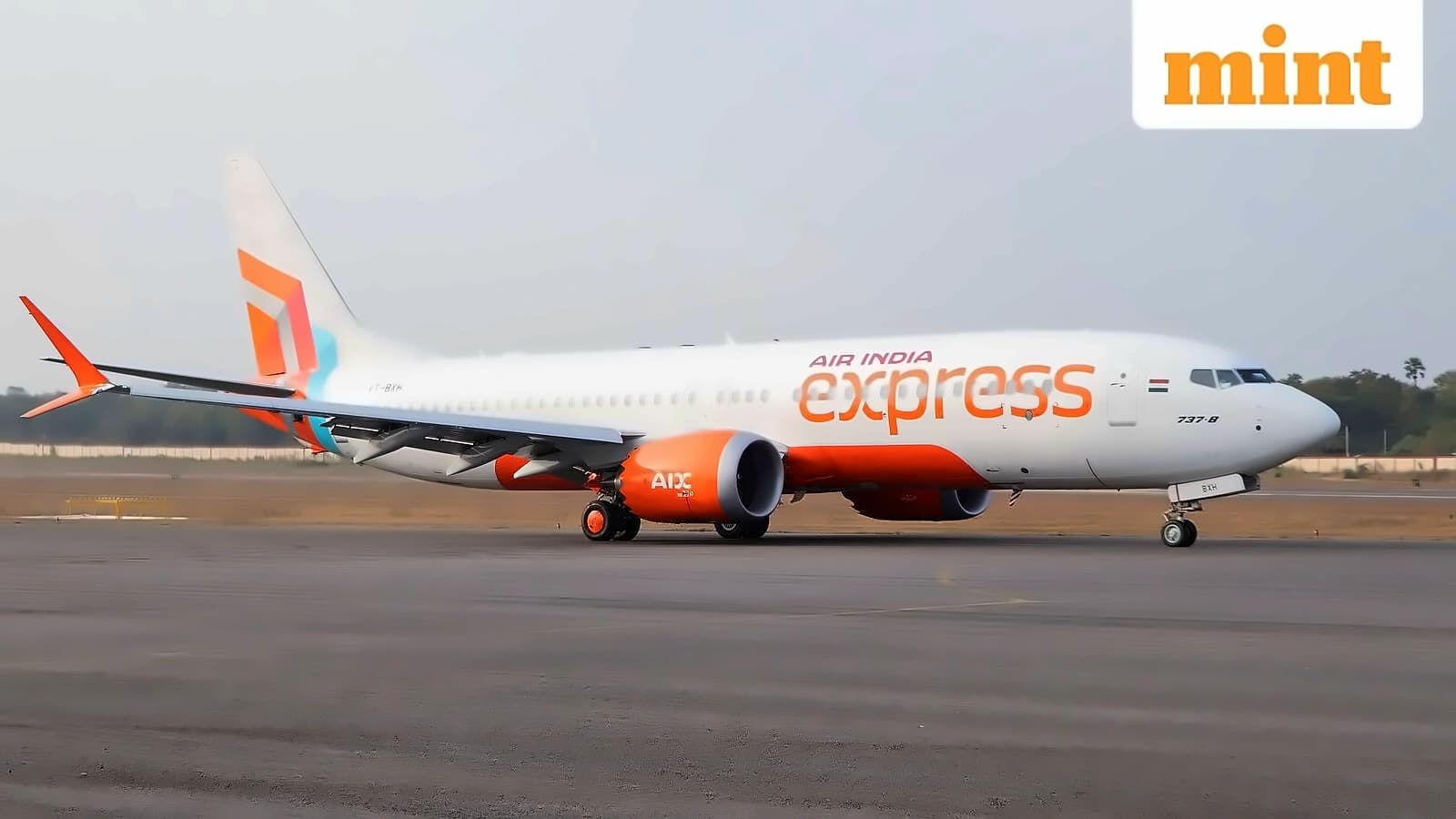
Ethiopian Airlines' former chief Tewolde Gebremariam, who had led the carrier to rapid expansion, will take charge as Air India's chief executive and managing director, succeeding Campbell Wilson, later this month. According to Mint reports, he comes in at a critical stage when the Air India group reported a net loss of ₹22,000 crore in the financial year 2026 and is eyeing a turnaround. However, he will not directly run Air India Express, which operates as a separate airline within the Tata group. In his first townhall with employees earlier this month, he spoke of taking the airline 'back to basics', with improving on-time performance among the priorities.
Despite the capacity expansion, India's domestic air passenger traffic declined 6.34% month-on-month to 1.21 crore in August, amid a broader moderation in air travel demand. As reported by Mint, passenger traffic fell 6.34% month-on-month to 1.21 crore from 1.29 crore a year ago. DGCA data confirms this decline, showing 121.26 lakh passengers in August 2026 compared to 129.47 lakh in August 2025. For January-August, traffic was almost flat at 110.5 million passengers, compared with 110.7 million year earlier. The Air India group's passenger load factor fell to 77% in August from 83.2% in July, while IndiGo's declined to 79.2% from 82.4%. Aviation analyst Jainam Shah noted that capacity grew faster than demand for Air India, while IndiGo's passenger traffic declined 2.4% despite a marginal increase in flights.
The operational backdrop remains uneven, with Air India's on-time performance at 10 major airports at 83.9% in August, below *IndiGo's 91.5%**. According to DGCA data, the overall cancellation rate for scheduled domestic airlines stood at 1.39% in August. IndiGo reported the highest on-time performance among major airlines at 91% in August, followed by Akasa Air at 90.5%, while SpiceJet's OTP slipped sharply to 17.9%. Air India Group posted an on-time performance of 83.9%, reflecting the operational challenges faced by the airline. Experts suggest that Air India's August recovery was largely a function of capacity returning after fleet retrofits and operational disruptions had reduced its flying by 10-15% at the peak.