AB InBev's premium beer segment has grown more than 20% in the first half, with the company achieving its highest share of 60% in several years. According to Moneycontrol, the premium portfolio now drives two-thirds of the company's volume mix and nearly three-fourths of its revenue, fundamentally reshaping AB InBev's India business. The premium growth is accelerating unexpectedly in India's rural and semi-urban markets, with Madhya Pradesh growing 30%, Rajasthan 35%, and Andhra Pradesh nearly 40%. Jharkhand, traditionally a non-urban market, has emerged as one of AB InBev's most attractive markets, with premium volumes rising from virtually zero to 60,000 hectolitres, making the company the market leader in the premium segment there.
Anheuser-Busch InBev (AB InBev) is significantly expanding its investment in India, with the world's largest brewer committing $1.5 billion since 2016 when it acquired SABMiller. According to reports from Mint, the company has invested an average of over $25 million annually in capacity expansion, including faster canning lines and brewery upgrades. The latest investment in Rajasthan is expected to be about $20 million, with the company restarting its brewery after seven years of closure due to unfavorable taxation policies. As reported by Moneycontrol, AB InBev is drawing a sharper line on investments, stating it doesn't want to encourage taking investments to states where the fundamental business case collapses due to inflation concerns.
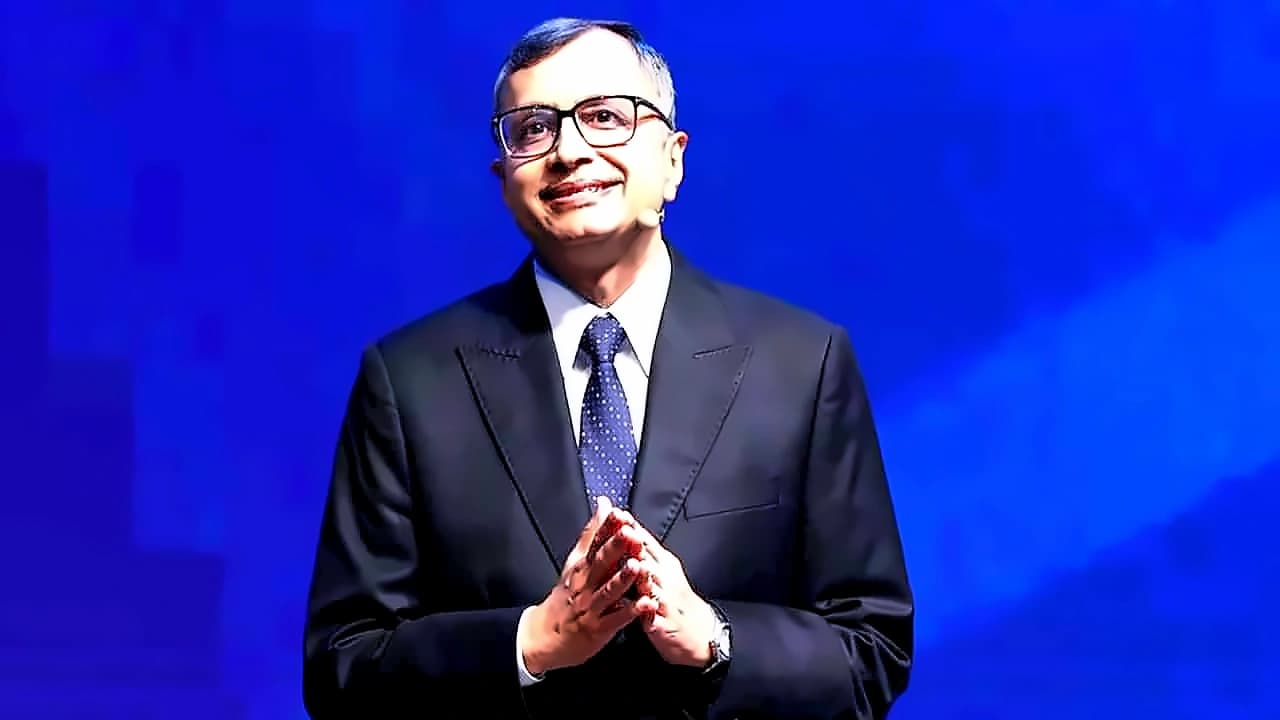
AB InBev's investment strategy is increasingly focused on states implementing favorable beer policies, with Karnataka and Maharashtra serving as key examples. As reported by Moneycontrol, Kartikeya Sharma, president of AB InBev India and Southeast Asia, emphasized that the investment climate improves when states maintain stable and predictable policies toward beer consumption. The company has invested about $10 million in localizing production of Corona and Hoegaarden, demonstrating its commitment to local manufacturing capabilities. Policy changes have added significant tailwinds, with Maharashtra's beer market growing 40% this year and Karnataka expanding by more than 50% in the past three months after changes in alcohol taxation improved beer's competitiveness against spirits. The change in Maharashtra's policy to equalise the tax on beer and other spirits started the company off on a good note for the year, coupled with strong performance in bellwether states.
According to Moneycontrol, India consumes approximately 36.7 million hectolitres of beer annually, with AB InBev holding about 20% market share and crossing 20% share of the overall beer market for the first time. The company's premium and super premium beer category is growing nearly twice the pace of the overall market, with the company's premium mix – made up of Budweiser, Corona and Hoegaarden brands – making up nearly 65% of its overall volumes. As reported by Moneycontrol, the company's increasing shift to cans has aided growth, with cans now accounting for around 40% of its total pack mix, compared with 28-29% for the industry. The company's gross margins have seen a very healthy improvement on a year-on-year basis as it solves the industry's glass bottle return rate problem. Corona and Hoegaarden together contribute in the high teens to revenue and mid-teens to volumes, reflecting their premium positioning.
AB InBev is widening distribution of its premium brands across previously overlooked markets, with Corona now distributed across 10 states instead of the earlier five-plus-five strategy. As reported by Moneycontrol, Hoegaarden is present only in five states where the company is now doubling down by introducing new flavours or new offerings. For Corona, which is present in 10 states, the company has introduced cans, which makes up 25% of the brand mix. Sharma noted that rising premium consumption in markets that had traditionally been considered unlikely growth centres for higher-priced beer has caught the company completely by surprise. However, AB InBev has held back investments in Uttar Pradesh after not being allowed to raise prices for three years, and outstanding dues from Telangana have reached close to $50 million between December and May.