According to Business Standard analysis using the India Composite Index (ICI), India's global percentile ranking has improved modestly since 1991, rising from 54th to 61st position by 2024. The country achieved a net gain of seven points over the 33-year period, representing a lethargic upward trajectory with a best-fit slope of +0.15 points per year. The Economic Scale factor showed the strongest improvement, advancing from 94th percentile in 1991 to 98th by 2024, while the Productive Capability Index gained 11 percentile points from 64 to 75. However, the External Resilience Index declined by three points, moving from 45th to 42nd position, highlighting persistent vulnerabilities in energy imports and trade balances.
According to reports from Business Standard, India's farm sector has been left behind in the reform process despite three decades of liberalisation. The sector employs close to half of the country's workforce and contributes around 18% of GDP, yet it has witnessed varying growth rates over different periods. From 1975-76 to 1984-85, India's farm sector averaged 3.56% annual growth at constant prices, then declined to 3.19% between 1985-86 to 1994-95, and further dropped to 2.43% between 1995-96 and 2004-05. Only between 2014-15 and 2024-25 did the sector achieve a high of 4.45% average growth, though much of this growth came from allied sectors with minimal government intervention.
As reported by Business Standard, India's Economic Prosperity Index shows the most concerning weakness, with the country advancing from 14th to 27th percentile in nominal GDP per capita terms. This represents a modest journey compared to East Asian countries, showing what the analysis calls the 'genetic sclerotic look of a South Asian nation' rather than the lean muscularity of East Asia. The GDP per capita (PPP) improved significantly from 16th to 31st percentile, outperforming nominal metrics due to lower domestic price levels, but this progress remains modest relative to global standards. The analysis notes that India's per capita gains have been weak, with persistent catch-up challenges despite rapid headline growth, demonstrating the persistent structural challenges in improving living standards.
According to reports from Business Standard, Ramesh Chand, former NITI Aayog member and Distinguished Professor at ICRIER, highlights that India undertook external reforms before internal agricultural reforms. The government eased trade restrictions for wheat, paddy, coarse grains, sugar, edible oilseeds, and pulses by removing them from the Essential Commodities Act around 2001-02. In 2003, futures trading in agricultural commodities was lifted, but restrictive regulations discouraged capital investment and increased MSP dependence. Ajay Vir Jakhar of Bharat Krishak Samaj notes that India focused on services and industrial reforms that were quicker to implement, contrasting this with China's approach of focusing on agriculture for the first 10 years before moving to other sectors.
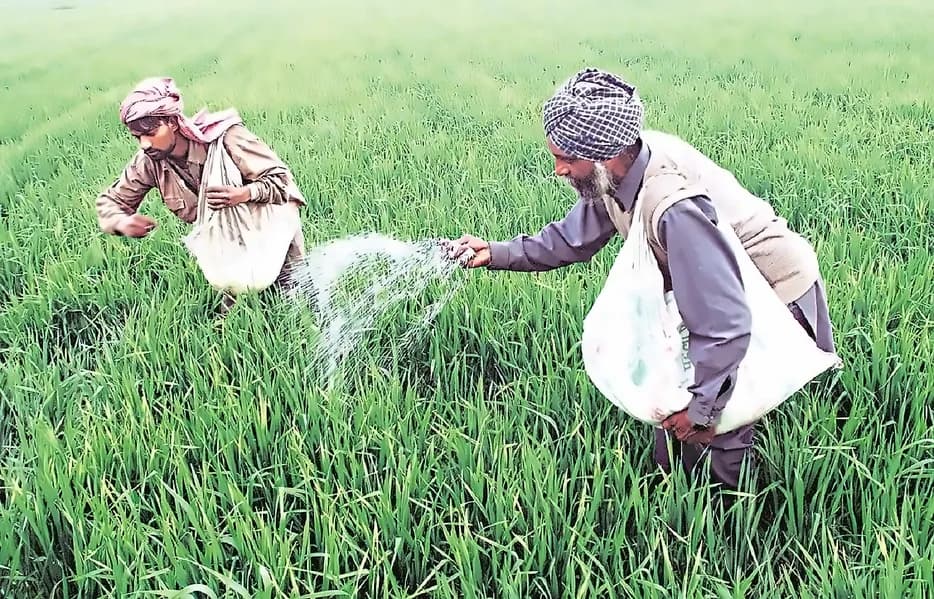
As reported by Business Standard, the greatest resistance to reforms has come from influential farming communities, while political parties across affiliations are reluctant to alienate this constituency. This was most evident in 2020 during farmer protests against agricultural marketing laws, which the government repealed after facing stiff resistance. The current fertiliser subsidy bill has increased due to war-triggered price spikes in West Asia, similar to the 1991 situation when fertiliser price hikes were rolled back under political pressure. The analysis notes that India's export of goods and services as a percentage of GDP remains at the 25th percentile, down from around the 29th percentile achieved in 2013, representing a significant overhang on the country's climb toward the more rarefied echelons of the 90th percentile on the ICI. With governments operating on near-continuous election cycles, they rarely have the time or political bandwidth for serious structural reforms, leaving many long-term agricultural challenges unaddressed.