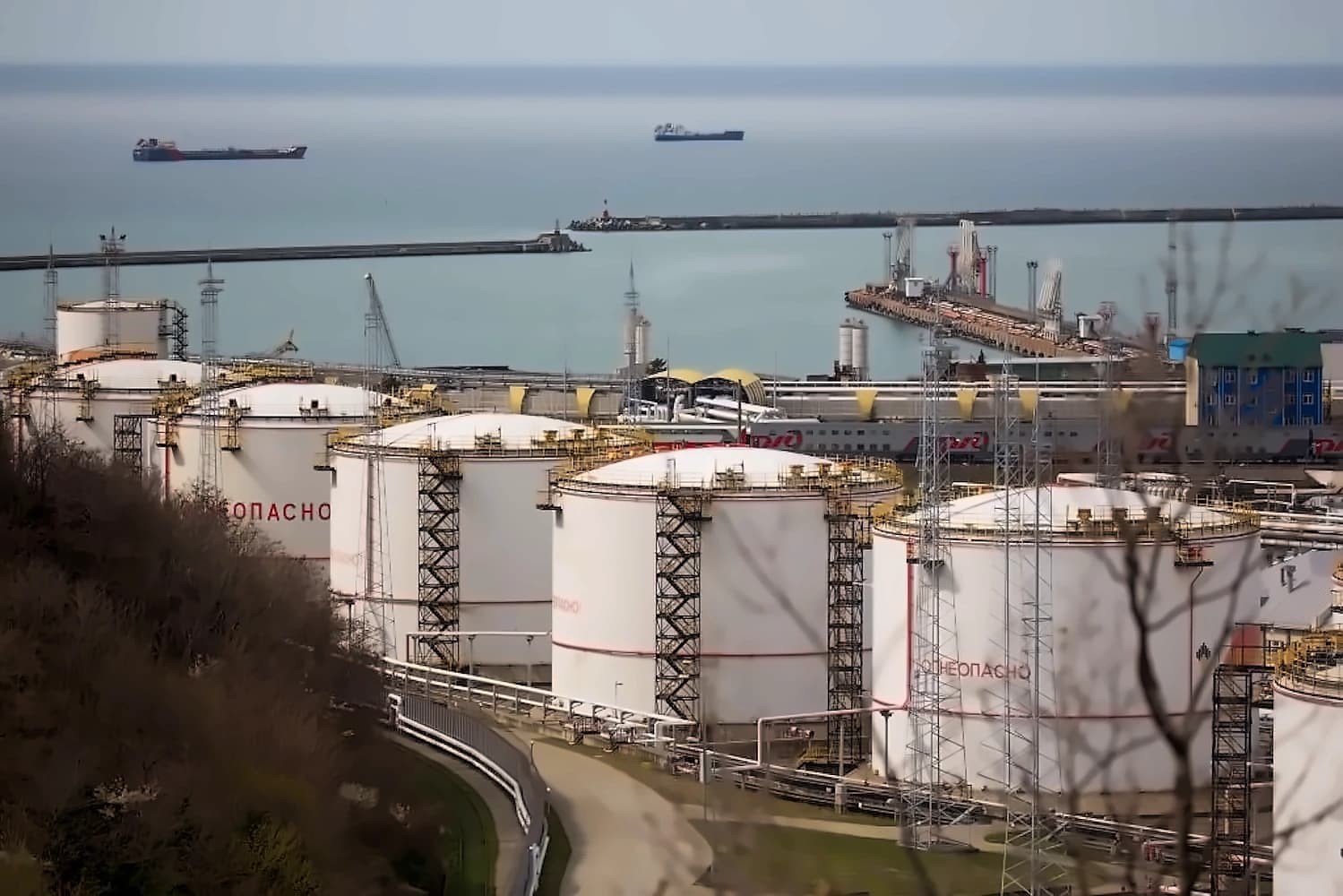
Oil exports from the Persian Gulf have recovered to approximately two-thirds of pre-war levels, according to Goldman Sachs Group Inc. Total exports of crude and oil products from the region have risen to 15-16 million barrels per day, helped by higher crossings through the Strait of Hormuz. As reported by Goldman analysts including Daan Struyven and Yulia Zhestkova Grigsby, this recovery has limited the Iran war's impact on global crude prices despite ongoing regional tensions. The latest data shows that 15 million to 16 million barrels per day of crude and petroleum products are now leaving the whole Middle East region, representing a significant increase from the March trough. According to Bloomberg, these volumes are about 5 to 6 million bpd above the March trough, demonstrating the region's ability to adapt to the ongoing Middle East conflict.
While the recovery represents significant progress, exports remain 7-8 million barrels below pre-conflict levels of 22-24 million barrels per day, as noted by Goldman analysts. However, this current level is well above the trough of 5-6 million barrels per day recorded in March, demonstrating the region's ability to adapt to the ongoing Middle East conflict. Oil transits through the Strait of Hormuz alone are likely close to US officials' estimates of 8-10 million barrels per day, according to Goldman's analysis. Recent developments show that Qatar and Kuwait have managed to boost their crude oil exports from the Strait of Hormuz to 70% of pre-war levels, following the United Arab Emirates in shuttling oil through the chokepoint and using ship-to-ship transfers in the Gulf of Oman. As reported by Bloomberg, total oil flows through the Strait of Hormuz have now risen to about 7-8 million bpd, up from about 4 million bpd in the middle of July, thanks to these under-the-radar operations. The exact volume passing through Hormuz can be difficult to gauge as tankers often turn off their satellite transponders to avoid detection, with traders estimating 6-8 million barrels per day of crude transiting the strait.
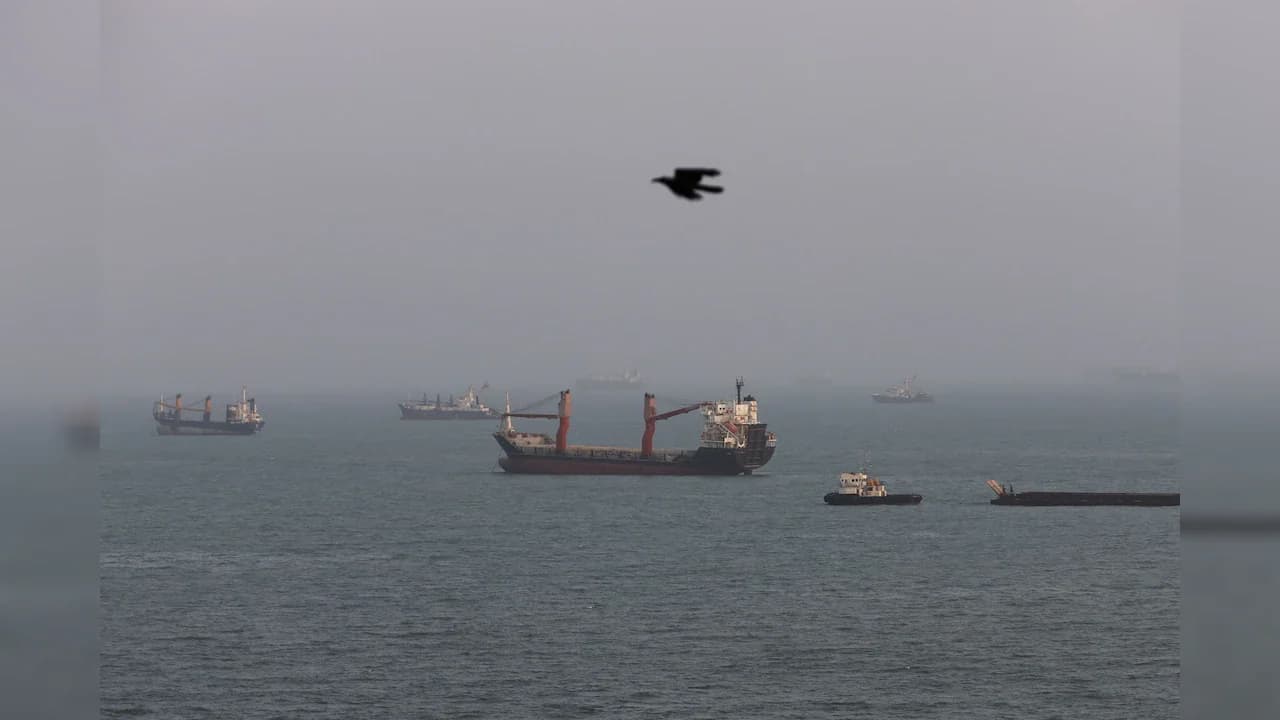
Recent diplomatic progress has emerged with Iran and Oman agreeing on a revenue-sharing framework for the Strait of Hormuz, though Tehran emphasized that this arrangement does not guarantee an immediate reopening of the strait. According to reports, Iran's military confirmed reaching this revenue-sharing agreement with Oman over the strategic waterway. However, the Trump administration reportedly told mediators it has no interest in returning to the terms of a preliminary June agreement with Iran that subsequently collapsed. These developments come as traders increasingly view the Iran situation as an economic/sanctions confrontation rather than an imminent threat to physical supply, further reducing perceived supply risk and contributing to the week's extended losses.
The increased Gulf exports are helping to keep global oil prices in check, with crude prices falling to around $83 per barrel on Friday, extending weekly losses to near 5%. According to traders quoted by Bloomberg, approximately 6-8 million barrels per day of crude is transiting the Strait of Hormuz, though this estimate only covers oil that goes through Hormuz and excludes some Saudi exports through the Red Sea. The traders' estimate covers oil transiting the strait rather than including all Gulf exports. Brent crude futures settled 39 cents lower at $89.31 a barrel, while West Texas Intermediate crude futures fell 13 cents to $83.40 a barrel. For the week, Brent declined more than 5% while WTI fell more than 4%. Goldman analysts note that the jump in exports could cap oil prices even if the Middle East conflict drags on further, as the Gulf states' creative solutions have helped keep oil flowing despite security risks. The under-the-radar operations and Gulf states' creative solutions to threats in the Strait of Hormuz and Red Sea have helped keep oil flowing, even if at much reduced rates compared to February levels.
While crude oil flows have recovered, Goldman notes that flows of liquefied natural gas and refined fuels remain lower than pre-conflict levels. The investment bank continues to see greater price upside potential for European natural gas prices and deferred oil product prices in persistent disruption scenarios compared to crude oil, highlighting the divergent impact across different energy sectors in the current conflict environment. The total Middle Eastern volumes are still about 7-8 million bpd below the levels from February, but they have materially increased in recent weeks and could keep oil prices in check, according to Goldman's analysis. A key challenge now is to boost exports of fuels like diesel and jet fuel, with about 1.6 million barrels a day of the region's refining capacity remains offline, a significant increase from a year earlier, according to data from IIR Energy. Goldman analysts continue to see greater price upside potential for European natural gas prices and deferred oil product prices in persistent disruption scenarios than for crude oil.