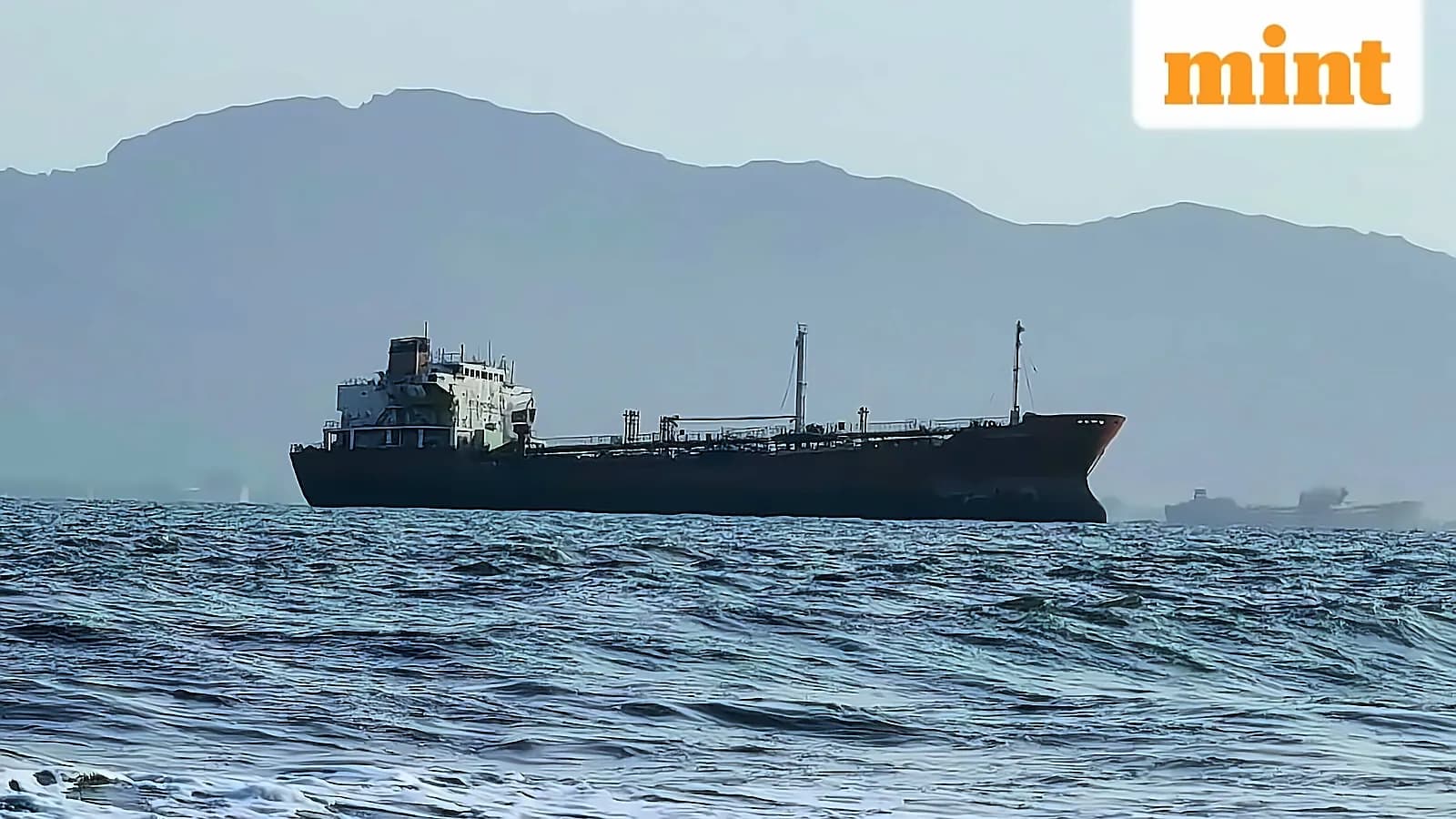
Asian refiners are significantly increasing US crude purchases as the Strait of Hormuz remains effectively closed due to competing US and Iran claims over control of the waterway. According to traders, at least four Asian refiners bought US crude this week, with shipping traffic falling below average for this month towards the end of the week. South Korea's GS Caltex bought two million barrels of Mars crude from Shell for November arrival, priced at a premium around $13-14 per barrel above the October Dubai benchmark. Japan's Cosmo Energy Holdings bought Mars crude from Trafigura, while Eneos Corp, Japan's biggest refiner, purchased 2 million barrels of West Texas Intermediate (WTI) crude from Trafigura for November delivery with a premium over $10 per barrel above the October WTI price. Taiwan's state-owned CPC Corp bought 2 million barrels of WTI via a tender at a premium of around $8 to $9 a barrel to Dated Brent.
State-owned refiners are rushing to procure spot crude unusually far in advance as Ukrainian attacks on Russian energy assets and a stalemate over the Strait of Hormuz make supplies increasingly uncertain. According to reports from The Hindu BusinessLine, processors including Indian Oil Corp. and Hindustan Petroleum Corp. have already tied up some supplies until October and are now seeking cargoes for as far ahead as November. Typically, these companies buy spot supplies just a month or two in advance. This week, India's state-run refiners Hindustan PetroleumCorp and Mangalore Refinery and Petrochemicals Ltd also issued tenders seeking for crude, as reported by The Hindu BusinessLine.
The United States on Thursday threatened to maintain a naval blockade of Iran indefinitely, ratcheting up economic pressure as ceasefire talks have floundered. Defense Secretary Pete Hegseth told reporters that the U.S. military could keep a naval presence in the region to enforce its blockade, stating "Indefinitely the United States Navy can maintain a blockade like that because we'll rotate ships in and out, as we have, and we'll continue to." With a tentative June deal to end the war in tatters, Iran has sought to control the Strait of Hormuz and has attacked some vessels trying to transit the strategic waterway. Two vessels from the state-owned Abu Dhabi National Oil Company were attacked transiting the strait on Thursday evening, with the UAE government condemning it as an Iranian attack. Shipping traffic through the Strait of Hormuz has fallen to eight vessels on Tuesday, compared with a 10-day average of about 12 vessels, and 130 to 140 ships before the war began in February.
With ships facing risks, some Asian refiners are unwilling to pick crude oil shipments from Yanbu on the Red Sea, prompting alternative arrangements with Saudi Aramco. According to a Bloomberg report, at least two Asian refiners have approached Aramco to ask whether their contracted crude can instead be collected from Sidi Kerir, the Egyptian port on the Mediterranean, as finding vessels prepared to navigate the increasingly risky waterway has become difficult. The requests concern September cargoes covered by long-term contracts with Aramco, though the higher cost of moving crude from Sidi Kerir to Asia via a route around Africa could lead at least one refiner to forgo its monthly allocation. Aramco lowered its main crude price for Asian buyers for September, with the revised pricing representing the deepest discount since 2020, while refiners collecting supplies from other locations face higher final costs due to additional logistics involved.
The buying spree by the world's third biggest oil importer underscores mounting concerns over supplies from Russia, which have plunged to the lowest since May after a wave of Ukrainian attacks on the country's energy and ports infrastructure. As reported by The Hindu BusinessLine, Russia has become India's biggest crude supplier in recent years, accounting for about half of purchases by state-run refiners. The threat of US sanctions on buyers of Russian oil and gas, including India and China, is also fueling the buying spree, with the Senate last week passing legislation authorizing steep tariffs on major purchasers of Moscow's energy. However, experts note that India's comprehensive diversification strategy will protect it from oil supply shocks, with Russian barrels now consistently making up 60-75% of what's on the water heading India's way, alongside Brazilian, US, and West African supply.
The global oil supply crisis has intensified with the International Energy Agency forecasting that global oil supply would fall by 4.3 million barrels per day, or around 4%, this year, up from its previous forecast of a 3.7 million barrels per day drop just a month ago. Oil prices settled down more than 2% on Thursday after a week of gains, as investors focused on signs of weaker global demand and a sharp increase in U.S. crude inventories. However, reports that Yemen's Iran-backed Houthis had targeted a Saudi Aramco refinery with drones unsettled the market, renewing concerns about a widening regional war. Before the Iran war, Asia sourced more than half of its crude supply from the Middle East, but the region imported 2.35 million barrels per day crude from the US in July, a record high, according to data by ship tracking firm Kpler. The US Energy Information Administration estimates it will take until early 2027 for oil production and trade patterns to generally return to pre-conflict status, with oil prices remaining elevated until global oil flows return to normal.
Indian companies are preparing to issue more tenders in the coming weeks after having bought some October cargoes, with some volumes for November delivery also ordered, as reported by The Hindu BusinessLine. The new supply headwinds are emerging just as India heads into the stronger demand season with festivals starting in September. Refining expansions that will add more than 500,000 barrels of daily processing capacity this year will also boost requirements. The stress on the global economy is mounting as the U.S. has tightened economic sanctions against Iran and other entities, but the pressure campaign has failed to bring Tehran back to the negotiating table. Despite India's diversification efforts, higher crude oil prices would have a direct impact on India's oil import bill, with alternative barrels generally coming with higher freight, premiums and less favorable pricing.