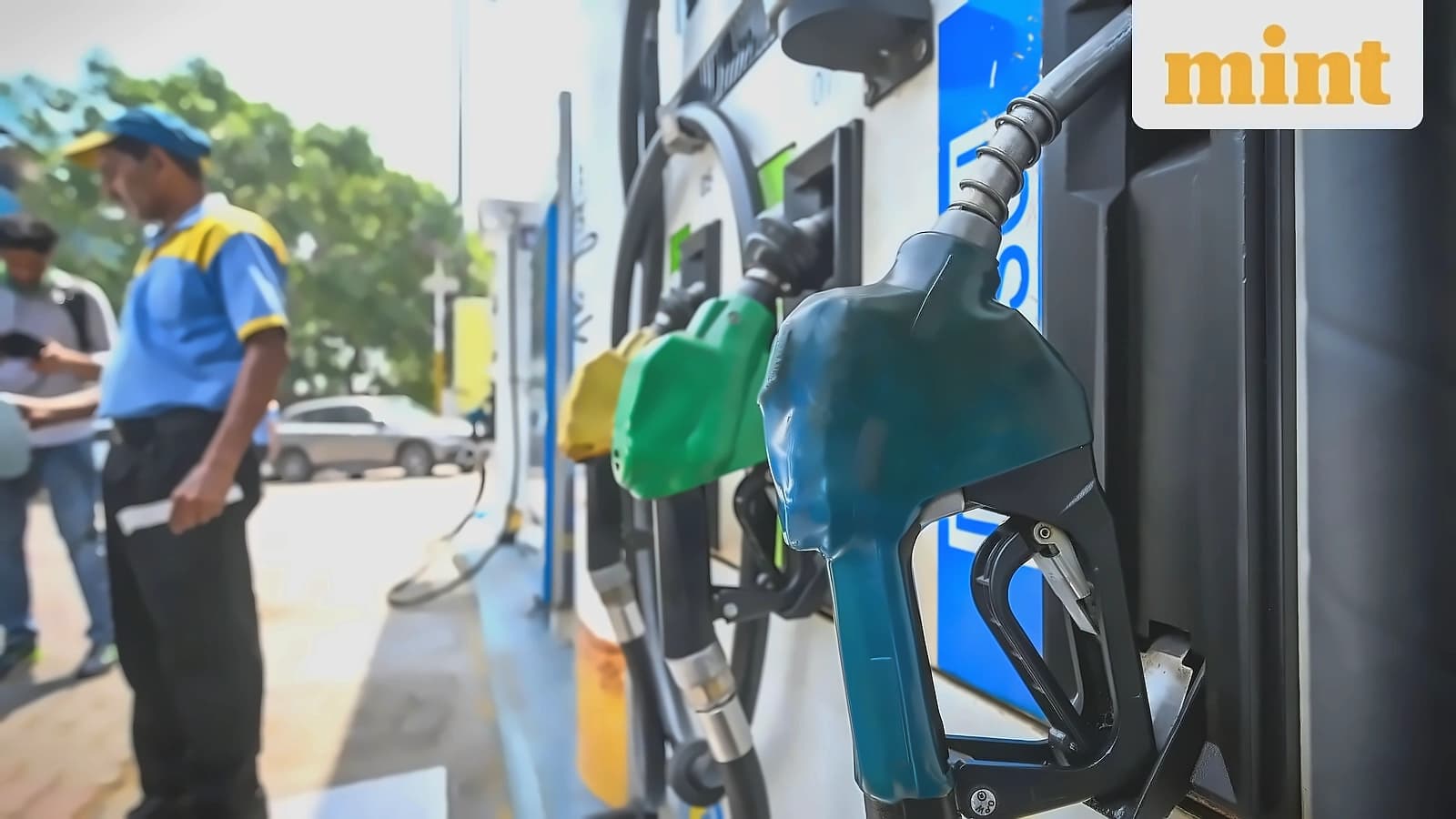
Oil and gas company shares experienced significant declines on Monday as crude oil prices surged amid escalating US-Iran war tensions. Chennai Petroleum Corporation shares were the top loser in the index with a fall of 3.2%, followed by Indian Oil Corporation Ltd, Bharat Petroleum Corporation Ltd (BPCL) and Hindustan Petroleum Corporation Ltd (HPCL) shares which dropped more than 2.5% each. According to Livemint, Adani Total Gas, Mahanagar Gas and GAIL (India) shares declined over 2% each, while Indraprastha Gas, Petronet LNG and Reliance Industries shares also dropped over 1% each. The Nifty Oil & Gas index declined 1.6%, with all its constituents trading in the red, reflecting the broader market impact of rising crude prices.
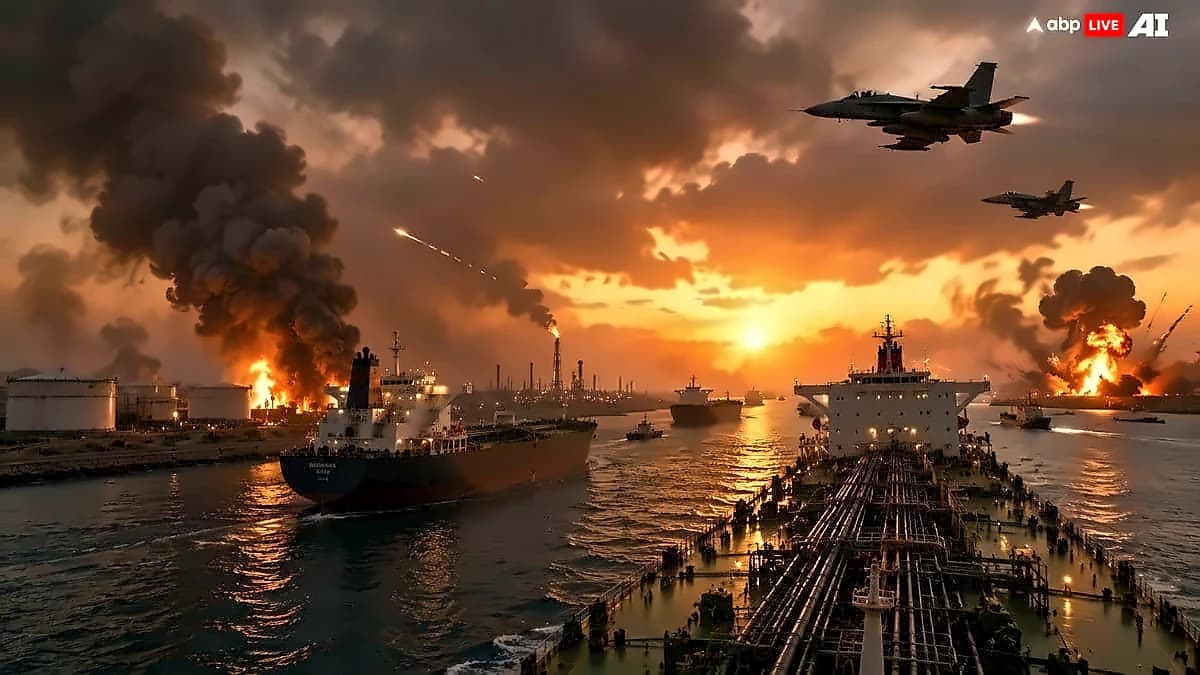
Crude oil prices jumped significantly as efforts to end the US-Israeli war on Iran appeared to have stalled, with Brent crude futures rallying 1.91% to $111.35 a barrel, after touching $112 earlier, the highest since May 5. As reported by Livemint, US West Texas Intermediate crude was at $107.81 a barrel, up 2.27%, following a rise to $108.70, its highest level since April 30. The price surge was attributed to a nuclear power plant in the United Arab Emirates coming under attack and as US President Donald Trump is expected to discuss military options on Iran. Rising crude oil prices increase input costs for oil refiners, exerting pressure on their margins, with analysts noting that the hike remains inadequate relative to prevailing losses.
Last week, state-run oil marketing companies increased petrol and diesel prices by ₹3 per litre each, marking the first fuel price hike in four years. According to Livemint, the petrol, diesel price hike came amid a nearly 50% jump in global crude oil prices over the same period. Analysts believe the hike remains inadequate relative to prevailing losses, but reduces daily under-recoveries of OMCs by ₹100 crore, from ₹600 crore to ₹500 crore on auto-fuels, assuming prevailing spot Brent of $110 per barrel, the Indian rupee at 96 per US dollar, and normalized refining cracks of $15 per barrel. On a per litre basis, integrated under-recoveries post price hikes stand at ~ ₹13, which implies a Delhi equivalent RSP hike of ~ ₹15, as noted by Sabri Hazarika, Senior Research Analyst at Emkay Global Financial Services Ltd.

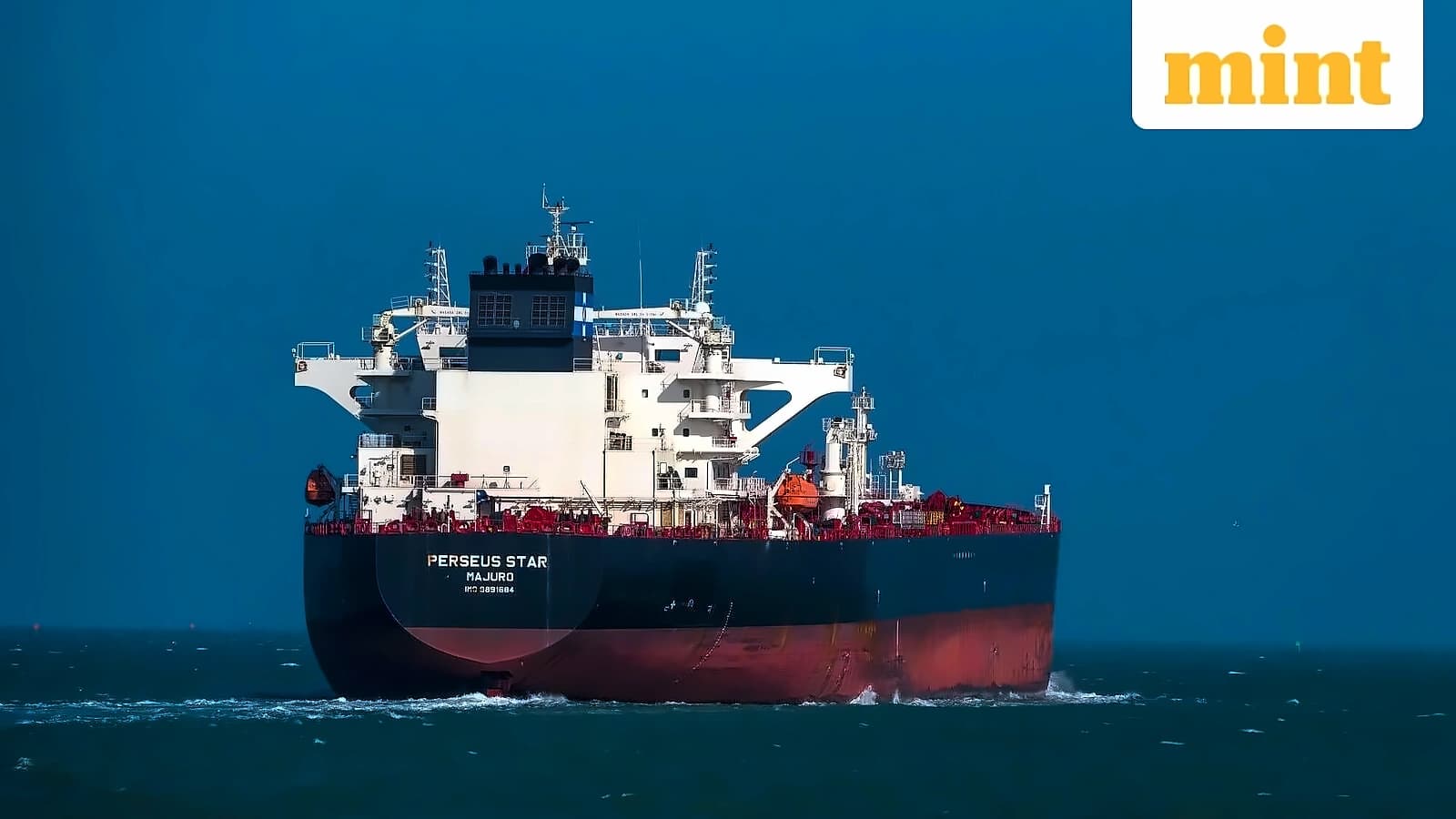
The Trump administration on Saturday allowed a sanctions waiver to lapse that had previously allowed countries, including India, to buy Russian seaborne oil after a month-long extension aimed at easing oil supply shortages and high prices due to Iran's closure of the Strait of Hormuz. According to reports from Bloomberg, the US issued an order allowing the delivery and sale of crude oil and petroleum products originating from Russia on April 17, with the exemptions set to expire midnight on Saturday. As of Saturday afternoon in Washington, no renewal notice had been posted to the Treasury Department's official website, and a Treasury spokesperson declined to offer further comment. The expiration occurred as oil prices have surged nearly 50% to almost $120 per barrel due to the US-Israeli war on Iran, which has led to the closure of the Strait of Hormuz, a chokepoint that carries roughly one-fifth of the world's daily oil supply.
Two top Democratic US senators, Jeanne Shaheen and Elizabeth Warren, on Friday issued a joint statement urging the Trump administration not to renew the waiver, arguing that it was providing revenue to Russia to aid its war in Ukraine while failing to lower fuel costs for American consumers. As reported by Bloomberg, there was no evidence that it was lowering fuel costs for American consumers. The prior extension was part of the Trump administration's effort to control global energy prices that have seen both domestic and international oil prices hover at or above $100 per barrel since the war began on February 28. The current national gas price average has reached $4.53 per gallon, representing a slight increase from the previous $4.50 per gallon reported by Reuters. Additional measures deployed by the administration have included emergency loans from the Strategic Petroleum Reserve (SPR) and a temporary waiver of the Jones Act shipping regulation. The increase in energy prices comes as the Trump administration confronts mounting political pressure over affordability ahead of the November midterm elections, with inflation rising to 3.8% in April, the highest since May 2023.