State-owned oil marketing companies experienced significant declines on Monday, July 13, as escalating Middle East tensions triggered a sharp rebound in crude oil prices. According to Business Standard, HPCL shares fell 2.46% to ₹384.20 apiece, while IOCL declined 2.45% and BPCL was down 1.68% in intraday trade. The three state-run OMCs—Hindustan Petroleum Corporation, Bharat Petroleum Corporation, and Indian Oil Corporation—saw their share prices retreat, giving up recent gains as investors booked profits after crude oil prices surged. The latest developments come as Brent crude futures climbed 4.09% to $79.12 per barrel and WTI crude futures rose 4.10% to $74.33 per barrel. The Nifty Oil & Gas index slipped as much as 0.82% to an intraday low of 11,085.80, though it recovered to trade 0.35% lower at 11,138.40 by 9:50 AM. In Monday's early trade, HPCL shares opened 1.25% lower at ₹390.35, IOC traded 0.36% lower at ₹138.46, and BPCL shares were down 1.29% at ₹305.75 on the NSE. The broader market sentiment was bearish with NSE Nifty 50 falling as much as 0.9% to 24,000.20 and BSE Sensex declining 712 points, or 0.9%, to 76,857 in morning trade.
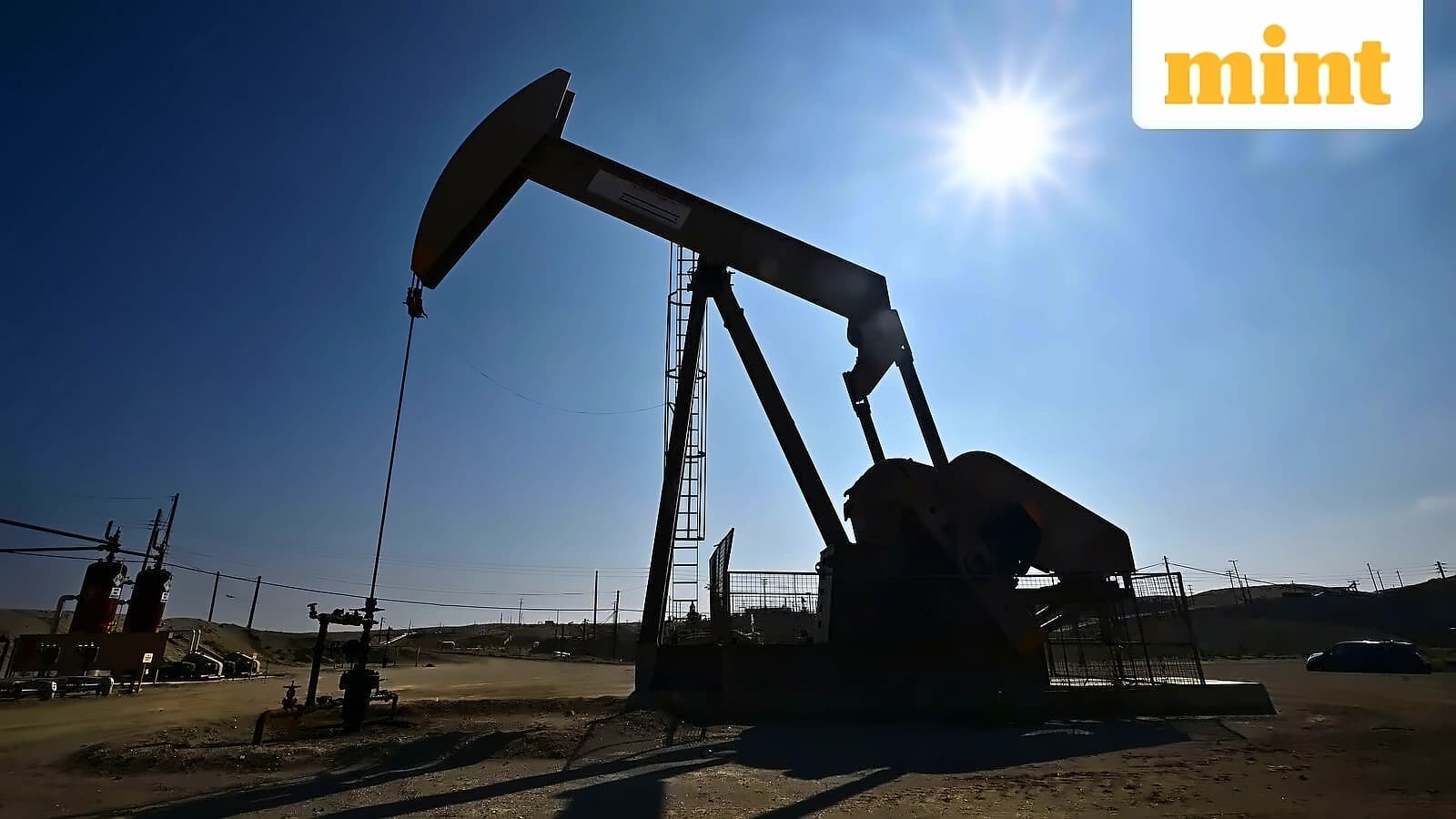
Crude oil prices extended their gains following U.S. strikes on Iran, with Brent crude futures climbing 4.09% to $79.12 per barrel and WTI crude futures rising 4.10% to $74.33 per barrel. As reported by Business Standard, the military action came after U.S. forces carried out another wave of strikes against Iran on Sunday, hitting dozens of targets at multiple locations with precision munitions, according to the Central Command. Iran's Revolutionary Guards said on Monday that they had attacked US military bases in Kuwait and Bahrain. The latest rebound comes after both crude benchmarks had fallen back to pre-war levels earlier this month as shipping traffic through the Strait of Hormuz improved. In May, OMCs increased petrol and diesel prices in multiple phases to offset elevated global crude oil prices. The latest escalation has renewed a risk premium in oil prices after markets had pared earlier gains following an interim peace agreement between Washington and Tehran. About 20% of the world's oil and liquefied natural gas transited the Persian Gulf before the war began at the end of February, with the latest US strikes marking the fourth round of attacks in a week.
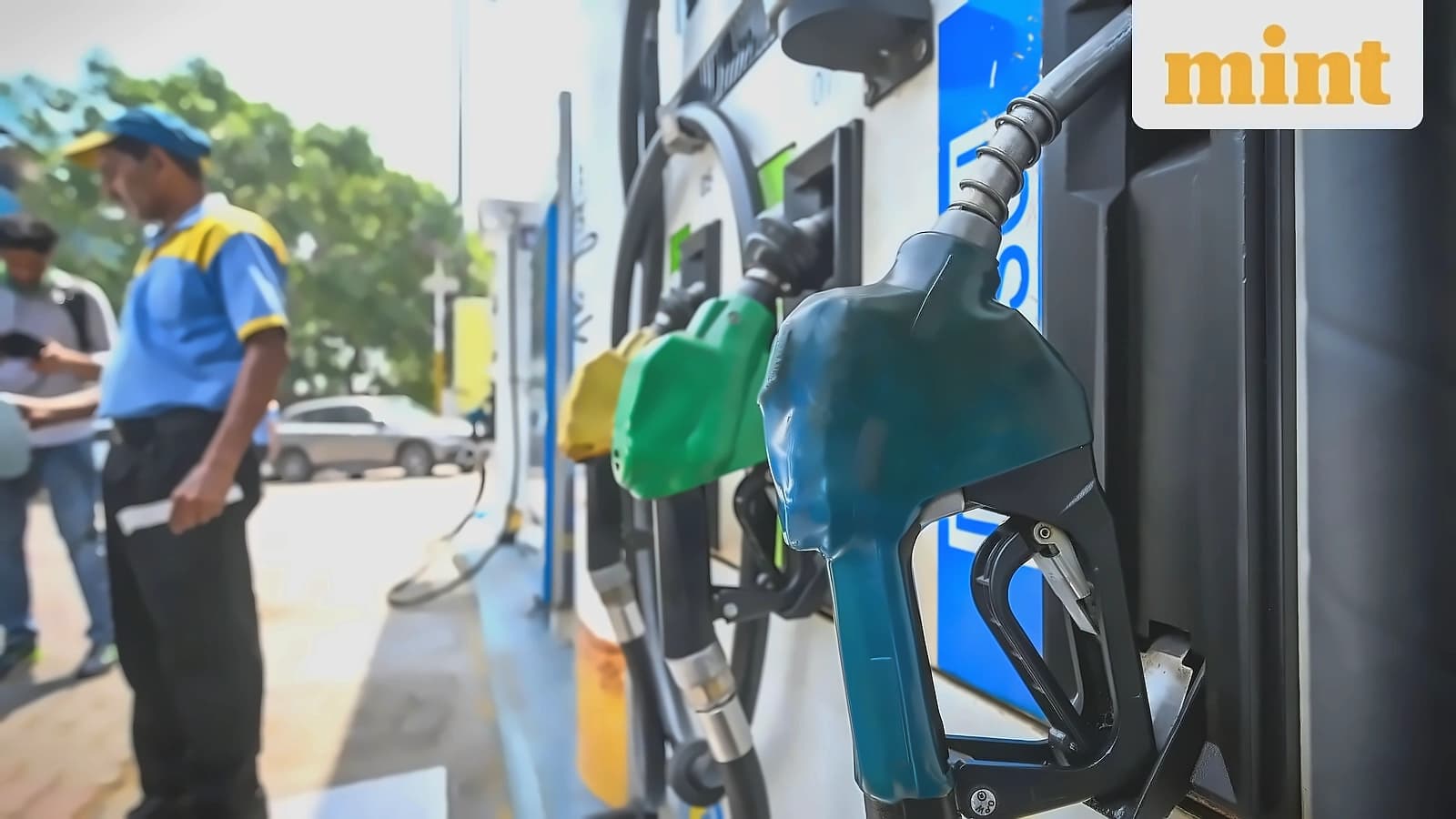
A rise in crude oil prices generally puts pressure on OMCs such as BPCL, HPCL, and IOC, as crude oil accounts for the bulk of their input costs. According to Business Standard, higher crude prices increase the cost of refining and fuel production, squeezing marketing margins if retail fuel prices are not revised accordingly. The latest rebound comes after both crude benchmarks had fallen back to pre-war levels earlier this month as shipping traffic through the Strait of Hormuz improved. In May, OMCs increased petrol and diesel prices in multiple phases to offset elevated global crude oil prices. The fighting stems from disagreements between US and Tehran over how the Strait of Hormuz should operate under an interim peace agreement signed on June 17, with shipping through the strait remaining limited on Monday, extending a slowdown that began after tensions intensified last week.
Market participants believe investors have largely accepted the West Asia crisis as the new normal, with the latest spike in crude prices yet to trigger the kind of panic seen earlier this year. VK Vijayakumar, chief investment strategist at Geojit Investments, noted that "the back and forth movement in the West Asia crisis has become the new normal. The attempt by Iran to weaponise geography has negative implications for energy importers like India. And, President Trump's totally inconsistent stand vis-a-vis Iran has rendered stability a thing of the past." For the Indian market, Vijayakumar emphasized that crude oil prices remain the key monitorable, adding that "there is no panic in the oil market like in March. Brent is currently trading around $79. So long as Brent trades below $90, the market won't be impacted significantly. But if Brent shoots up to above $90, there can be a significant correction in the market."