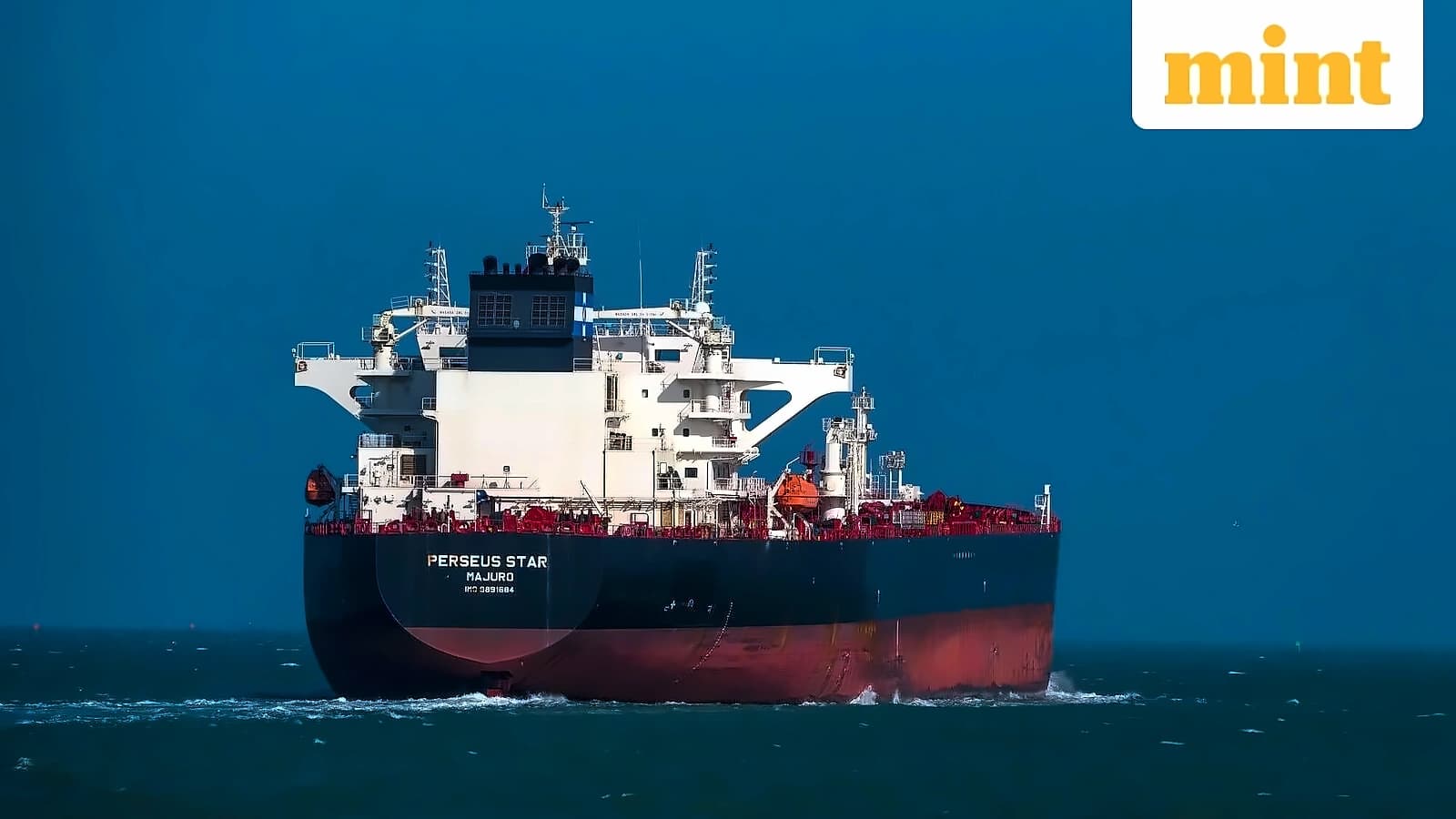
Crude oil prices experienced a significant decline, with Brent crude falling nearly 1.8% to $110.12 per barrel and WTI trading around $103.81 per barrel during volatile trading sessions. This represents a sharp reversal from earlier gains, as oil prices had previously surged 2.47% to ₹9,924 per barrel amid ongoing uncertainty regarding U.S.-Iran negotiations. The price decline reflects market reaction to mixed signals from US-Iran diplomacy and renewed hopes of negotiations, which have eased immediate fears of supply disruptions in the Gulf region. Energy traders interpreted Trump's comments as a possible sign of renewed negotiations with Tehran, triggering profit-booking in crude oil markets after recent sharp rallies.
President Trump's recent statements have created uncertainty in oil markets by suggesting both potential quick resolution and renewed military action. As reported by Mint, Trump told US lawmakers that the conflict could end soon, but earlier indicated he had come within an hour of authorising an attack before ultimately delaying the decision. When asked about timeline, Trump said he could wait 'two or three days, maybe Friday, Saturday, Sunday — or perhaps early next week,' suggesting only a short window for developments. His remarks about possible renewed military action came just a day after he stated he had paused plans to resume hostilities following a fresh proposal from Tehran. According to diplomatic sources, Trump and Xi Jinping reportedly agreed that uninterrupted access through the Strait of Hormuz remains critical for global energy markets, with nearly 20% of global oil shipments passing through the strategic waterway daily.
The ongoing US-Israeli conflict with Iran has effectively disrupted operations in the Strait of Hormuz, a critical route that typically handles around one-fifth of global oil shipments. According to the International Energy Agency quoted by Reuters, this has resulted in the world's largest oil supply disruption. Trump's latest comments renewed concerns over a possible escalation with Iran, which has resisted US demands to abandon the remaining parts of its nuclear programme after weeks of strikes that began in late February. However, Trump has repeatedly threatened renewed military action only to later pull back since a ceasefire agreement was reached on April 8.
US stock markets experienced significant declines with the Dow Jones falling nearly 356 points, S&P 500 down 0.87% and Nasdaq Composite dropping 1.43% as investors rotated away from cyclical and technology stocks. The tech-heavy Nasdaq suffered the sharpest decline, with semiconductor stocks coming under intense pressure as Qualcomm dropped almost 6%, AMD declined 5.7%, while Intel and Tesla also posted steep losses. The Philadelphia Semiconductor Index has now fallen over 7% in just three trading sessions. Lower oil prices reduced immediate inflation worries on Wall Street, with the S&P 500 and Nasdaq recovering part of earlier losses after energy prices cooled. Investors viewed falling crude prices as positive for consumer spending and corporate profits, with defensive names such as Coca-Cola, Amgen and Verizon managing to limit losses.
The market is experiencing renewed buying activity, evidenced by a 53.27% increase in open interest to 15,318, alongside the price increase of ₹239. Crude oil is currently finding support at ₹9,620, with resistance identified at ₹10,112. A breach of the resistance level could potentially drive prices toward ₹10,301. On the downside, ₹9,317 acts as immediate support, and a break below this area could extend the decline toward ₹9,200. The technical outlook reflects the market's response to ongoing geopolitical tensions and supply disruption concerns in the Strait of Hormuz, with markets remaining volatile as traders adjust to the latest developments in US-Iran diplomacy.