The United States has achieved a historic milestone by becoming the world's largest oil exporter, surpassing traditional crude heavyweights Saudi Arabia and Russia. According to reports from Reuters and Novyny.live, US exports of crude and fuel reached 10.5 million barrels per day (bpd) in May 2023, marking the third consecutive month of holding this position. This dramatic shift represents a complete reversal from the country's previous stance of refusing to export fuel, driven by strong domestic production and strategic reserve releases. The transformation was primarily attributed to the shale revolution, which nearly tripled US total petroleum production since 2000, reaching about 22 million bpd. As recently as 2025, Saudi Arabia remained the leading exporter with around 8.1 million bpd, while US exports were estimated at 6.6 million bpd, highlighting the rapid pace of this market transformation.
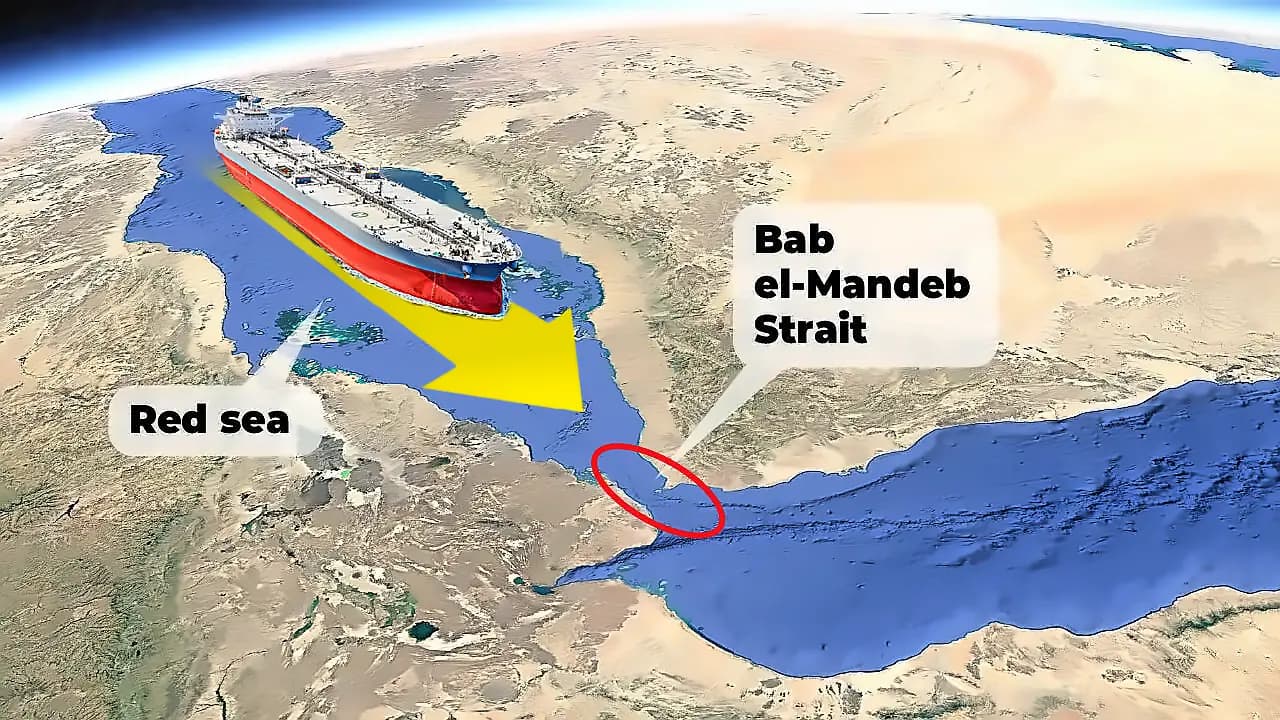
The latest rankings show the US significantly ahead of its competitors, with Russian exports standing at 7 million bpd in May and Saudi Arabia exporting 5.9 million bpd, as reported by Reuters and Vortexa data respectively. This contrasts sharply with the previous year when Saudi Arabia exported around 8.1 million bpd ahead of the United States at 6.6 million bpd, while Russia's exports were estimated at roughly 5.8 million bpd. The change has been accelerated by disruptions affecting rival producers, with Saudi Arabia's exports impacted by conflict involving Iran, while Russian shipments have come under pressure from US sanctions and attacks linked to the war in Ukraine. The transformation occurred after supplies through the Strait of Hormuz were disrupted for more than 100 days following US and Israeli strikes on Iran in February.
The milestone represents a fundamental shift in global energy dynamics, with the United States now holding significant leverage over energy-dependent countries. As reported by Reuters, Michelle Brouhard, head of policy at ship tracking firm Kpler, noted that "Washington has a new tool they didn't realize they had before the Iran war — energy exports." The US has become the largest crude provider to Europe and the second-largest provider of distillates, with Europe accounting for around 47% of US oil exports this year compared to 37% in 2021. Asian nations have also increased their sourcing from the US, representing about 46% of US oil exports in May. The lifting of a decades-old export ban in 2015 helped American producers sell more abroad and could weaken OPEC's and its allies' traditional influence over energy prices, providing Washington with a new source of economic and geopolitical leverage alongside its military and financial strength.
The transformation was accelerated by the lifting of a four-decade crude export ban in 2015, following the Arab oil embargo. According to Reuters, US crude and liquids output has nearly tripled since 2000, reaching around 22 million bpd, while Saudi Arabia's output has remained within a range of 10-12 million bpd depending on OPEC quotas. Russia's production has largely stagnated since 2020, slipping below 10 million bpd. The structure of the US oil industry differs from Saudi Arabia and Russia, with American output largely determined by private companies responding to market conditions rather than government influence. The shale revolution has been the primary driver of this production surge, with the increase in US production helping satisfy rising global demand, as worldwide oil consumption climbed from 87 million bpd in 2010 to 104 million bpd last year, with American producers supplying a significant share of the additional demand.
The expansion of US production has coincided with rising global demand, with the milestone challenging OPEC's traditional influence, with the organization further tested by the United Arab Emirates' withdrawal from the group after nearly 60 years. As reported by Reuters, this shift in global energy trade flows signals a fundamental restructuring of international oil markets, with the US now leading global markets thanks to its booming shale production capabilities. The development could weaken the traditional influence of the Organization of the Petroleum Exporting Countries (OPEC) and its allies, with the US providing Washington with a new source of economic and geopolitical leverage alongside its military and financial strength. The transformation represents a remarkable reversal for a country that was deeply affected by the 1973 Arab oil embargo and spent decades dependent on foreign energy supplies, now emerging as a dominant player in global oil markets.