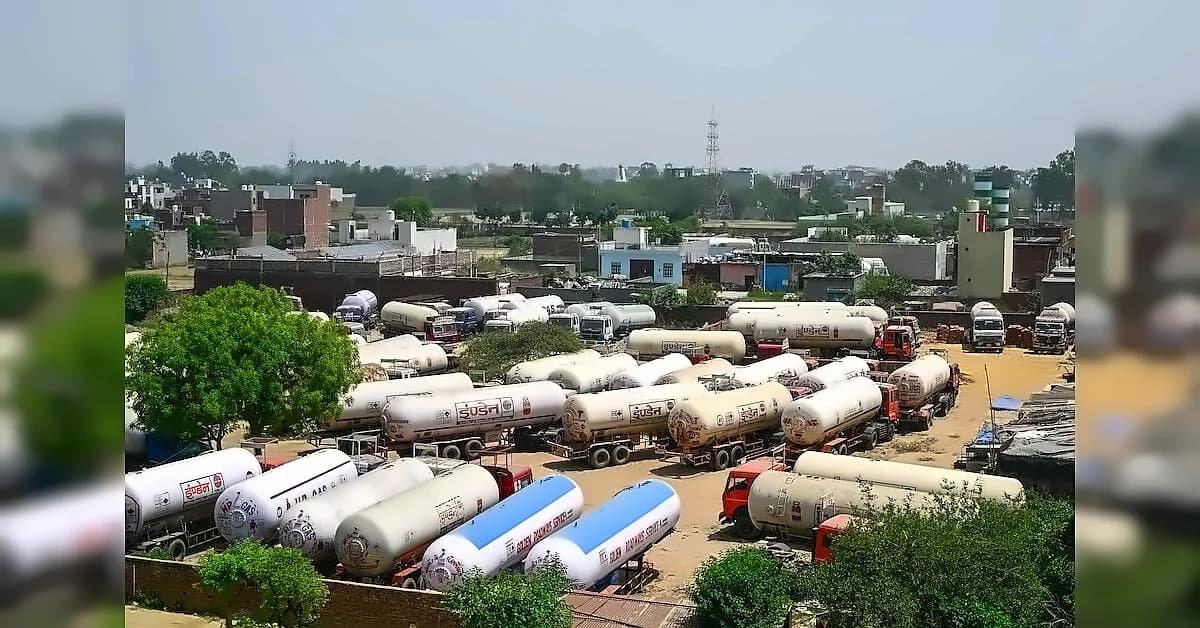
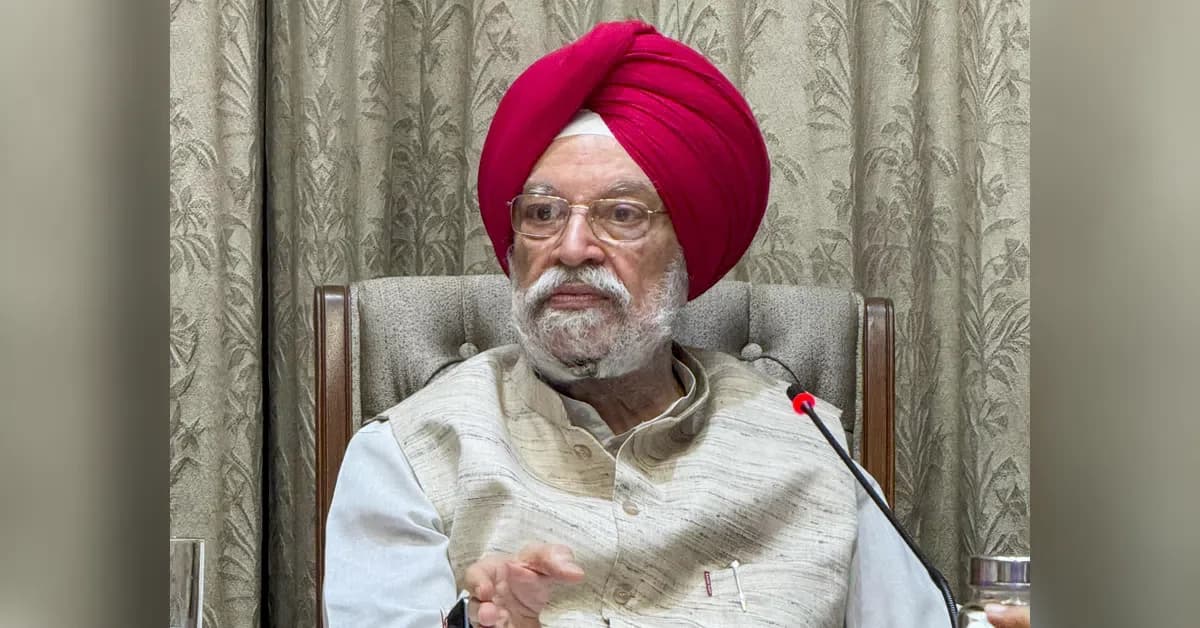
India's liquefied petroleum gas (LPG) import strategy has undergone a dramatic transformation, with the United States emerging as the country's dominant supplier following the Middle East crisis. According to Union Petroleum and Natural Gas Minister Hardeep Singh Puri, India had initially planned to source around 10% of its LPG requirement from the US at the beginning of the year. However, as reported by IANS, this share has increased sharply over recent months, with the US now accounting for 67% of India's LPG imports. The move had initially raised questions, particularly because India already sourced LPG from suppliers located much closer geographically. Speaking at an event organised by the Confederation of Indian Industry (CII), Puri announced that "the United States accounts for something like 67 per cent of our LPG imports," making the US the largest LPG supplier to India.
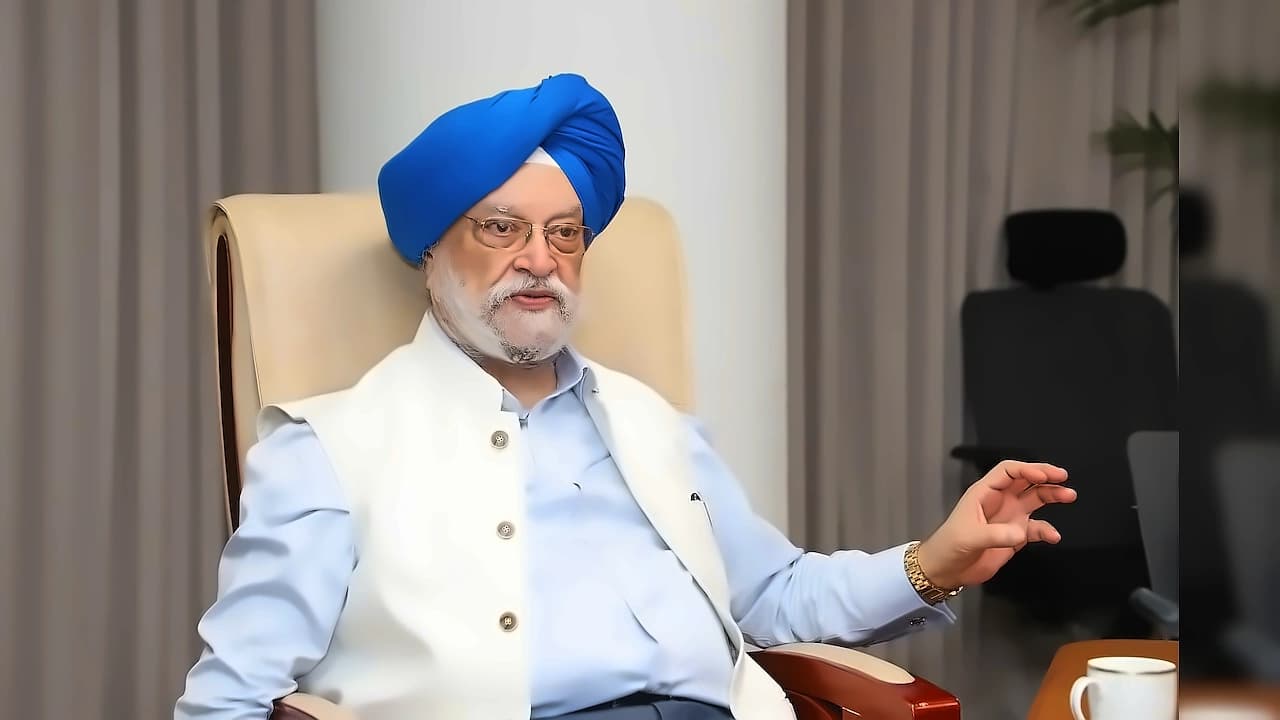
The shift reflects India's autonomous decision-making in energy sourcing, as reported by IANS. Puri emphasized that the government's decision to source 10% of LPG requirements from the US was taken independently and was not linked to concerns surrounding developments in the Strait of Hormuz. He noted that some questioned the need for 10% sourcing when suppliers in geographically closer markets were available, but subsequent developments have significantly changed the sourcing landscape. The minister explained that "with a lot has changed with time since then," highlighting how quickly India's LPG sourcing pattern has evolved. Puri stated that "with measures like diversified sourcing, expanded refining capacity and higher domestic production, India successfully shielded consumers from any supply disruption as a result of the Middle East crisis."
The rapid change in India's LPG import basket highlights the country's successful efforts to maintain stable energy supplies while adapting to changing global market conditions. As reported by IANS, India continues to source crude oil and LPG from multiple countries, but the US has now emerged as the dominant supplier of LPG imports. Before the Middle East crisis, India imported as much as half of its crude oil from countries using the Strait of Hormuz as a transit route, while at least 90% of cooking gas (LPG) and 60% of other gas imports passed through the critical waterway. Puri highlighted that "there were 52,000 such outlets in 2014, but today we have more than 1.07 lakh fuel retail outlets." He added with confidence that "not one station went dry, not one" during the crisis, demonstrating India's effective diversification strategy.
Beyond immediate supply security measures, India has significantly expanded its energy infrastructure capabilities. As reported by IANS, the country has expanded its crude supply sources from 27 to 41 countries and broadened city gas distribution coverage from 55 geographical areas to 309. Puri also highlighted the government's recently approved ₹84,000 crore Samudra Manthan programme aimed at supporting deepwater oil and gas exploration. "The government is not going to do the drilling. The drilling is going to be done by private players," he said, explaining that the government will support up to 50% of drilling costs or up to ₹650 crore per well to encourage investment in high-risk offshore exploration. This represents a fundamental shift in India's energy security approach, moving from focusing solely on hydrocarbon access to diversified imports, strategic partnerships, infrastructure expansion and alternative fuels.