A cargo of US West Texas Intermediate (WTI) crude oil is headed to Israel for the first time in nearly three years, according to ship-tracking data reported by The Times of India. The shipment represents a significant development in energy trade relations between the two countries after an extended period of reduced crude oil flows, with the vessel departing on Friday following Thursday's loading operations.
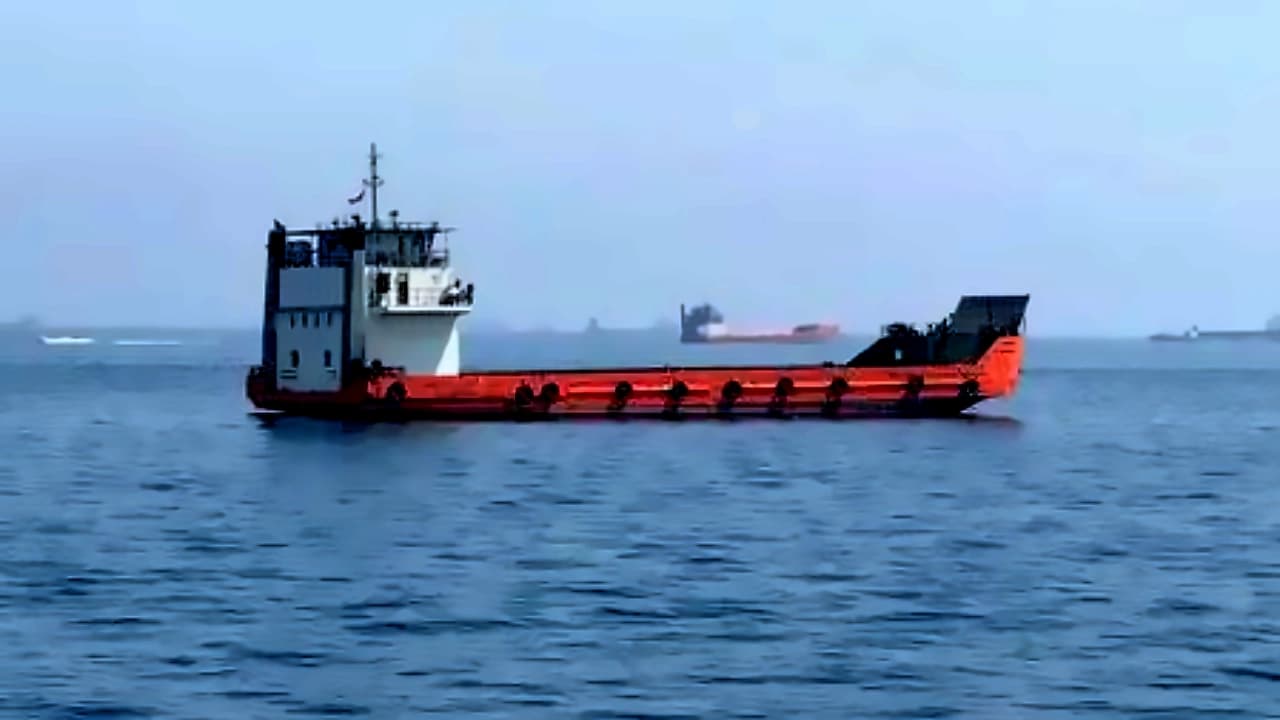
The cargo is being transported by the Malta-flagged Aframax tanker Captain John, which loaded crude at Enbridge's Ingleside terminal near Corpus Christi, Texas, as reported by The Times of India. The vessel is currently bound for Israel's southern port of Ashkelon, marking the completion of the shipment's journey from the US Gulf Coast to the Middle Eastern destination. According to LSEG ship tracking data, the vessel was carrying approximately 550,000 barrels of crude oil, with the tanker having a maximum capacity of up to 750,000 barrels. The tanker was chartered by trading house Vitol, though the company did not immediately respond to requests for comment.
The resumption of US crude oil shipments to Israel after nearly three years represents a notable development in energy trade between the two countries, according to The Times of India. The shipment's destination at Ashkelon port indicates the continued importance of maritime routes for energy trade in the region, despite the extended pause in these shipments. The last time US crude headed to Israel was in October 2023, as confirmed by Kpler data, making this shipment particularly significant for bilateral energy relations.
The shipment comes amid the US-Israel war on Iran which began on February 28, which has sharply reduced traffic through the Strait of Hormuz, according to recent reports. The Strait of Hormuz previously carried about a fifth of global crude oil and natural gas supplies, making the current shipment particularly significant for regional energy security. This development highlights the ongoing importance of alternative maritime routes for energy trade in the Middle East during periods of geopolitical tensions affecting traditional shipping lanes.