The Iran conflict has severely impacted Middle Eastern energy infrastructure, with attacks targeting oil, gas, and industrial sites across the region causing billions in potential damage and disrupting exports. StanChart estimates that the war has led to a reduction of global oil flows by approximately 8 million barrels of crude per day, with Saudi Arabia alone losing 700 kb/d in pipeline flows. The Strait of Hormuz—which handles about 20% of global oil and liquefied natural gas flows—remains at a near-standstill despite a two-week ceasefire being announced. Multiple, targeted attacks on commercial vessels by Iran led to the de facto closure of the Strait of Hormuz in early March, halting a massive portion of oil and LNG tankers and leading to the declaration of force majeure by many energy companies. The final outcome of the conflict currently hangs in the balance, with the lack of a discernible common ground for reaching long-lasting peace as well as mutual distrust between the warring sides making for a murky situation.
US President Donald Trump has taken to social media to warn fertilizer companies against using 'monopoly' power to excessively raise US prices during the ongoing US-Israel war with Iran. As reported by Argus Media, Trump said Saturday on his Truth Social platform he is 'watching fertilizer prices CLOSELY' during what he described as the US 'FIGHT FOR FREEDOM in Iran', adding that the administration 'will not accept PRICE GOUGING from the fertilizer monopoly'. Trump's public comments prompted an indirect response from Mosaic, one of the largest US producers of phosphate and potash, which posted that global fertilizer prices are shaped by 'well documented market factors' and these forces—not individual producers—determine phosphate and potash pricing. Domestic and global fertilizer prices have risen sharply in recent months, reaching multi-year highs because of Iran's effective closure of the Strait of Hormuz, where roughly 35% of all seaborne urea transits through the Mideast Gulf.
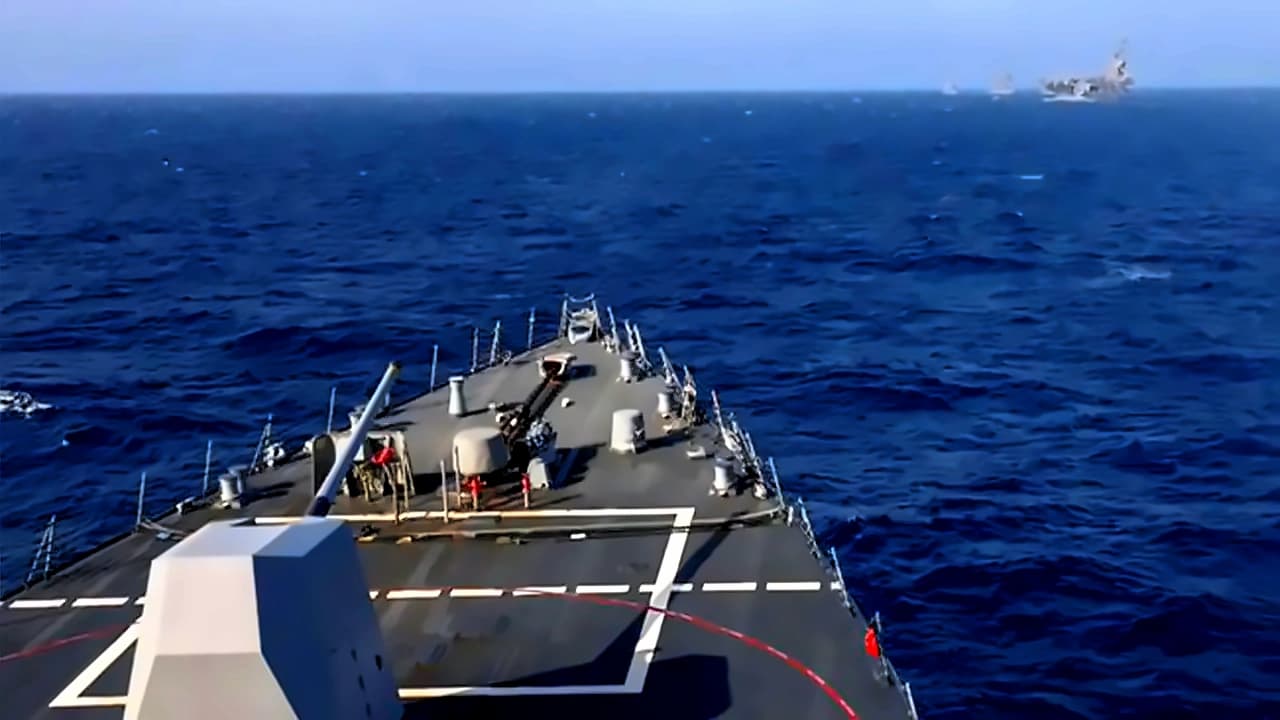
US spot petrochemical prices experienced significant gains last week, with spot polymer-grade propylene (PGP) rising to 61.5 cents per pound on Friday, marking its highest level since March 2023. According to reports from Bloomberg, the material is used in manufacturing polypropylene plastics for packaging, automotive parts, and consumer goods. The price surge was primarily attributed to tighter supply caused by the war in Iran, which has supported recent gains in the chemical sector. However, the situation has now intensified with the US Navy moving to blockade Iranian shipping in the Strait of Hormuz on Monday, creating even more severe supply disruptions for critical petrochemical feedstocks. The Strait of Hormuz—which handles about 20% of global oil and liquefied natural gas flows—is effectively closed, marking one of the worst energy chokepoint crises ever. The latest developments show that China is reportedly preparing to halt sulfuric acid exports from May, adding further supply pressure to global markets.
Ethylene, a key feedstock for polyethylene, climbed to 33.5 cents per pound, while methanol traded on the US spot market jumped to $1.425 per gallon, reaching its most expensive level since November 2021. As reported by Bloomberg, roughly one-third of global seaborne methanol trade moves through the Strait of Hormuz, and concerns over flows intensified after the US Navy moved to blockade Iranian shipping in the waterway on Monday. Spot butadiene surged to 76 cents per pound, the highest since September 2022, with more than 70% of US consumption tied to tire production. The fertilizer supply chain disruptions are particularly severe, with 20-25% of ammonia, 50% of sulfur and 19% of DAP and MAP global seaborne trade also transiting the Strait of Hormuz, making Saudi Arabia and Qatar major suppliers to the US market. Sulfur prices have surged by roughly 70% following tensions in the Strait of Hormuz, with limited stockpiles estimated at just one to two months in some facilities potentially leading to production disruptions.

Oil prices have surged over 6% to above $100 per barrel following the US military announcement of a blockade of Iranian ports starting Monday. According to Reuters, Brent crude rose approximately 6.1% to about $100.96, while WTI climbed nearly 5.9% to $102.26. The Strait of Hormuz—which handles about 20% of global oil and liquefied natural gas flows—is effectively closed, marking one of the worst energy chokepoint crises ever. Analysts warn that a prolonged blockade could drive oil as high as $150 per barrel, with the International Energy Agency calling the situation the greatest global energy security challenge in history. The closure threatens to disrupt shipping lanes used by other Gulf producers including Saudi Arabia, Kuwait, Qatar, and the United Arab Emirates, which collectively account for approximately 15 million barrels per day of crude oil production. The conflict has also resulted in skyrocketing logistics and insurance costs, with war-risk insurance premiums for ships sailing in the Persian Gulf surging by up to 1,000%, with some high-risk cases seeing rates spike up to 7.5%–10% of vessel hull value per transit from 0.20%–0.25% before the war.
The cryptocurrency market has responded to the Strait of Hormuz crisis with a powerful rally that has pushed Bitcoin above $71,000, reinforcing the digital gold narrative that has gained traction among institutional investors over the past several years. This price action represents a significant test of Bitcoin's safe haven credentials, demonstrating the asset's ability to attract capital flows during periods of geopolitical uncertainty and inflation concerns. The magnitude of the rally suggests that sophisticated investors are increasingly viewing Bitcoin as a legitimate portfolio diversifier alongside traditional safe haven assets like gold and Treasury bonds. The blockade's impact extends beyond oil markets, affecting shipping costs, inflation expectations, and central bank policy calculations, with the current environment demanding a nuanced investment approach that balances exposure to energy producers benefiting from higher crude prices with defensive positioning against potential economic headwinds.