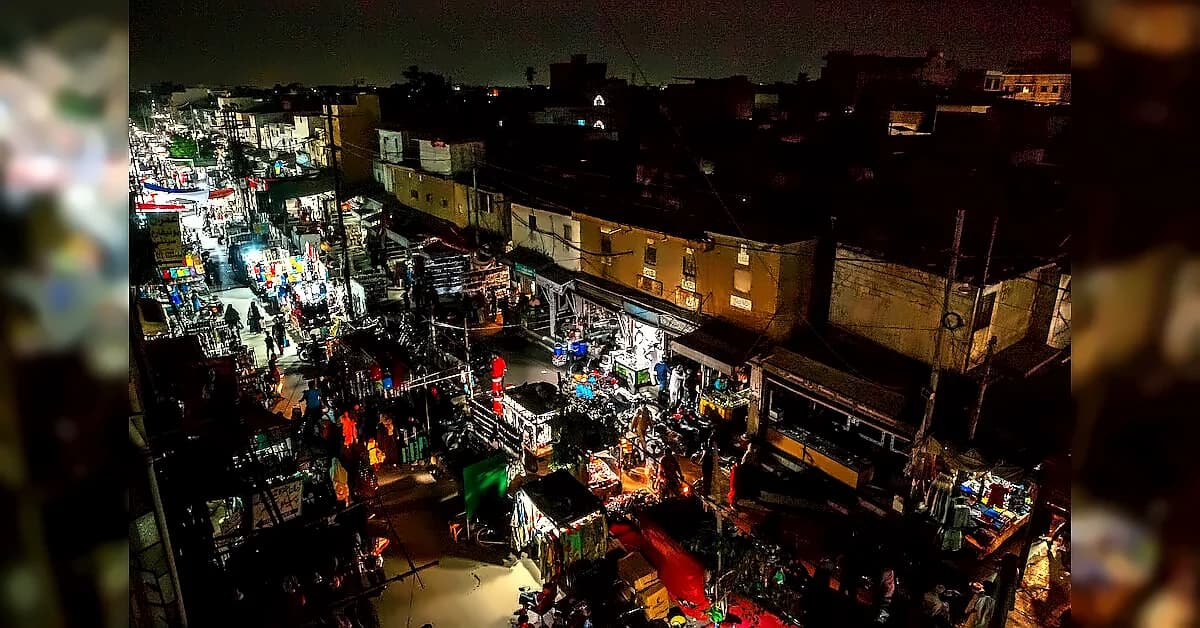
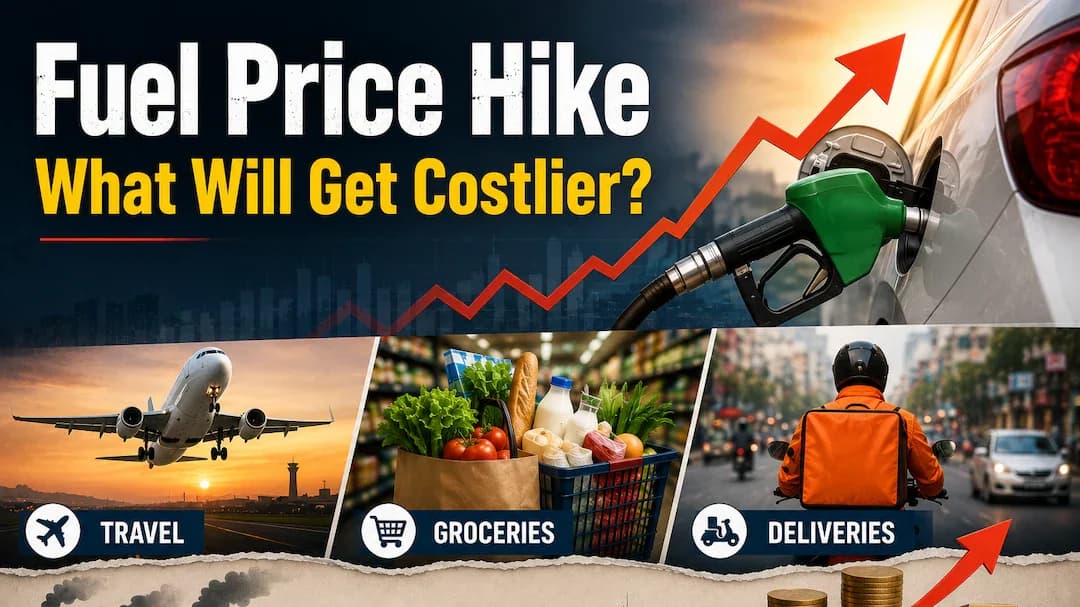
The Third Gulf War, which began on February 28, 2026 with coordinated US-Israeli strikes on Iran, has triggered a global energy crisis not seen since the early 1970s. According to ISEAS – Yusof Ishak Institute, the war's impact on Southeast Asia has been severe, with oil prices surging from USD 70 to over USD 100 per barrel and natural gas futures increasing by 20%. While a two-week ceasefire was agreed on April 7, 2026, the conflict's effects are expected to persist for at least the rest of 2026 and into 2027. Regional governments have implemented emergency measures including President Ferdinand Marcos Jr. declaring a state of national energy emergency in the Philippines, Malaysia, Indonesia, and Myanmar implementing work-from-home policies, and Laos reducing school weeks from five to three days. As reported by ISEAS, the war's impact on Southeast Asia has been particularly severe due to the region's heavy dependence on Middle Eastern fossil fuels, with most countries having only 30-100 days of oil reserves.
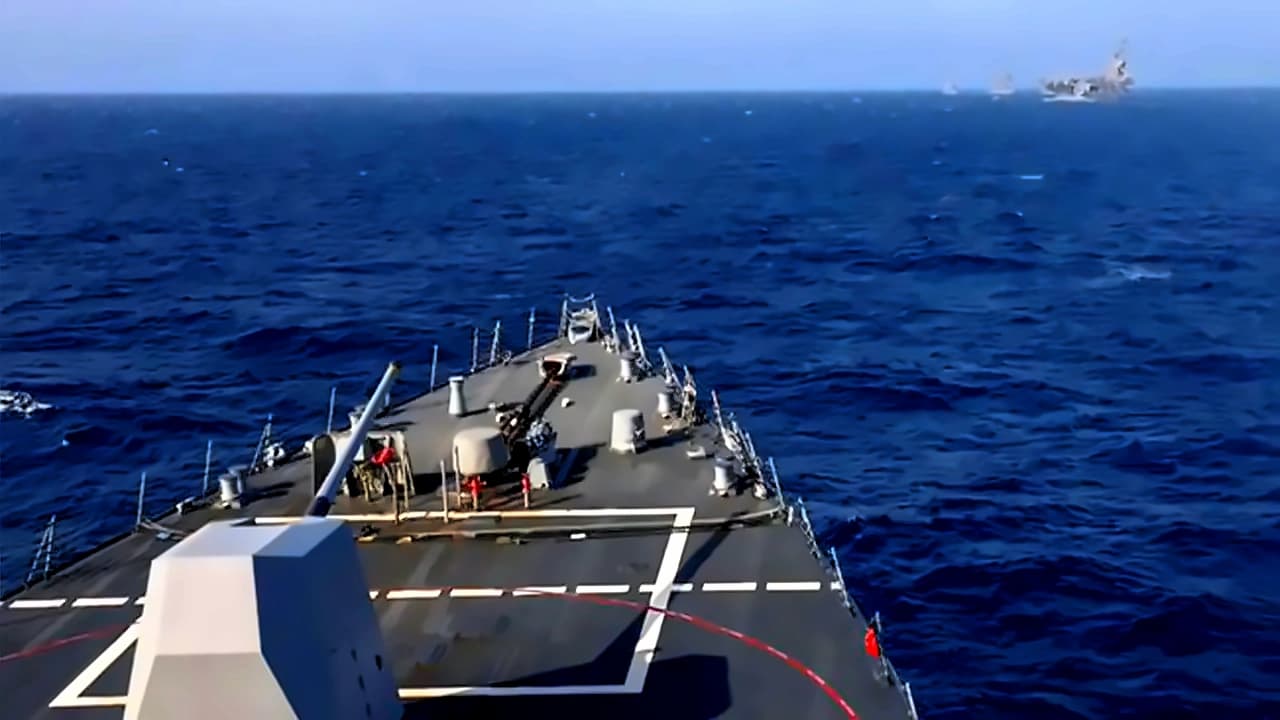
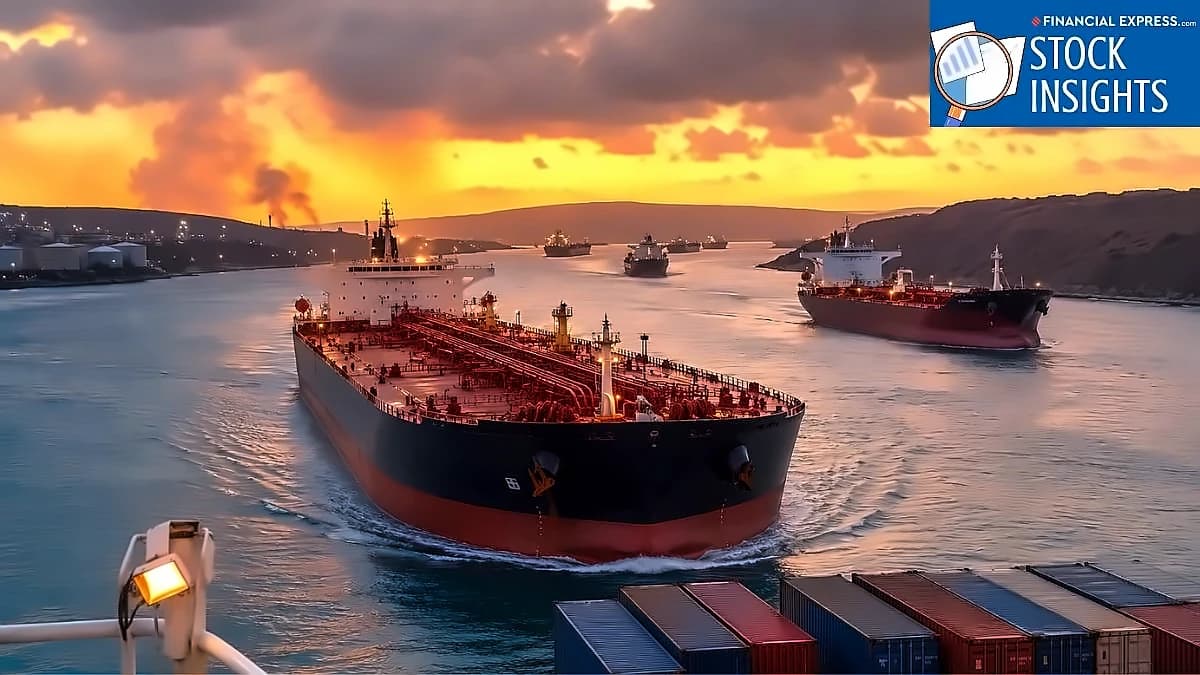
The disruption in the Strait of Hormuz amid the Iran conflict has triggered a major disruption in the supply of bunker fuel for Asia, the heavy residual oil that powers most of the world's cargo ships. According to reports from The Times of India, the fuel is critical to global trade, with around 80% of goods worldwide transported by sea. The Iranian threat to attack vessels in the Strait of Hormuz effectively closed one of the world's most strategically important maritime chokepoints, bottling up nearly 15% of global oil supplies. The closure has disrupted supplies of the fuel that powers much of the global shipping industry and supports Asia's largest refuelling hub. Bunker fuel is a low-grade petroleum product, heavier and more polluting than the refined fuels used by cars and aircraft, forming at the bottom of crude oil storage containers during the refining process.
The energy crisis threatens Southeast Asia's food security in multiple ways beyond fuel costs. As reported by ISEAS, LNG is used extensively in fertilizer manufacturing, including urea, a low-cost nitrogen fertilizer widely used to grow wheat and rice, two of Southeast Asia's most important food staples. An estimated one-third of global fertilizer exports pass through the Strait of Hormuz, making shortages a significant concern. The crisis has already impacted regional fishing industries, with nearly half of Thailand's fishing fleet now confined to port due to rising diesel prices. Last year, Thai seafood exports were valued at US$7 billion, making the sector particularly vulnerable. Across the region, food prices have already begun to climb, with some food-growing countries potentially reducing exports to satisfy domestic demand if the crisis continues.
Singapore, the world's largest bunkering hub, is witnessing rapidly rising prices and tightening inventories as supplies from key producers such as Iraq and Kuwait remain constrained. As reported by The Times of India, bunker fuel prices in Singapore have jumped from roughly USD 500 per metric tonne before the conflict to more than USD 800 in recent weeks. According to Sparta Commodities oil analyst June Goh, shipping firms are currently absorbing most of the higher costs, but warned they could soon "pass on to the customers." Natalia Katona of energy intelligence platform OilPrice noted that prices are continuing to rise, stating 'We just see the price in Singapore going up, up, up.' The ceasefire announcement has stabilized oil prices at just under USD 100 per barrel, but the prolonged conflict is expected to keep energy costs elevated throughout 2026.
The energy crisis has brought plastic packaging manufacturers back into focus as concerns mount over tightening raw material supply. Disruptions in the Middle East, driven by escalating tensions following US-Israel strikes on Iran and the blockage of the Strait of Hormuz, have constrained the availability of key feedstocks such as crude oil and natural gas. This has affected the supply of resin, a critical derivative used in the production of plastic packaging, with prices rising an average of 80% in recent months. According to Kenanga Research, some plastic packaging producers have started seeing new customers approaching them for orders after facing force majeure from their existing suppliers. The research firm views the current energy crisis as a potential inflection point for established players who are financially strong, noting that plastic packaging players under coverage "did not face major supply interruptions thanks to well-diversified sources across the US, Asia and the Middle East, supported by long-standing relationships and a healthy cash position."
Shipping firms are responding to the price surge by cutting vessel speeds, adjusting sailing schedules and exploring alternative fuels to reduce operating costs. According to shipping research firm Clarksons Research, the average speed of container ships and bulk carriers worldwide has already slowed by around 2% since the conflict escalated in late February. The Caravel Group, which oversees more than 120 shipbuilding projects, reports that around one-third of vessels currently under construction would be "dual fuel capable," meaning they could operate using both bunker fuel and alternatives such as liquefied natural gas (LNG). As reported by ISEAS, the crisis has also impacted aviation, with tourist arrivals in Thailand down 50% in March and estimates suggesting up to three million fewer tourists could visit Thailand, resulting in an estimated US$4.5 billion in lost tourism revenue if the conflict lasts longer than six months.