The ongoing extreme heat across large parts of India is primarily driven by worsening climate change caused by the massive burning of coal, oil, and gas, according to Simon Stiell, executive secretary of the United Nations Framework Convention on Climate Change (UNFCCC). As reported by Business Standard, Stiell made these remarks on Wednesday, highlighting how climate change has intensified the current heatwave conditions affecting central and northwest India. The UN climate chief emphasized that these extremes drive home the importance of measures to adapt to climate impacts, globally. Scientists now confirm that human-caused climate change has supercharged heatwaves, with Peter Thorne, a climate scientist at Maynooth University in Ireland, telling The Guardian: "We know beyond a shadow of a doubt" that the climate crisis had made heatwaves such as the latest one stronger and more likely. "But nevertheless, many of the records being set, particularly in the UK and France, are mind-bogglingly crazy."

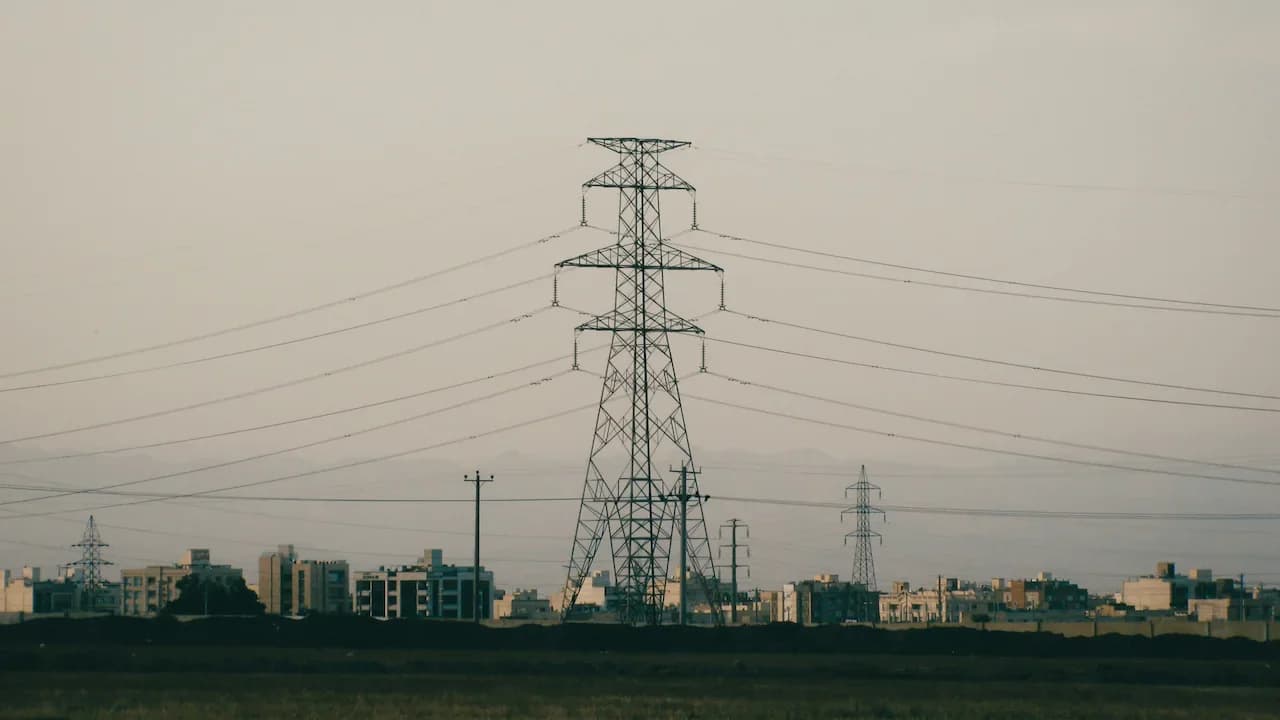
Extreme heat across north and central India is pushing electricity demand to record highs, exposing supply gaps and testing the resilience of the power system. According to Business Standard, India's peak power demand hit an all-time high of 270.82 GW on May 21, with peak supply that day standing at 269.13 GW, widening the power deficit to 0.62 per cent - the highest since September 2023. The power deficit, which had been near zero since 2023, re-surfaced this May, with Haryana and Punjab recording the steepest peak power deficits on May 21. The extreme heat has created significant challenges across the country, with the extreme heat posing a double challenge to lives and livelihoods amid the current fossil fuel cost crisis and spiralling prices of imported fossil fuels worldwide due to conflict in the Middle East.
The extreme heat has led to record-breaking power demand across the country, with peak power demand touching 257.3 GW on May 18, 260.4 GW on May 19, 265 GW on May 20, and a record 270.8 GW on May 21. According to Business Standard, Stiell noted that India has also seen record-breaking peak electricity demand in recent days, with solar and other renewable energy sources helping to meet day-time peaks. He praised India's strong steps to ramp up solar power as a benefit during this period. The International Energy Agency has warned that extreme temperatures are driving demand for cooling technologies such as air conditioners, pushing electricity use to record levels and straining power grids.
The heatwave has resulted in severe human casualties across India, with more than 100 people dying following the intense heatwave in southern states of Andhra Pradesh and Telangana, according to Khaleej Times. More than a dozen districts saw temperatures above 45°C in Andhra Pradesh, with temperatures soaring over 48°C in its East and West Godavari regions. Telangana's Warangal registered 23 heat deaths, the highest in the region, while the state's 2026 heatwave action plan "places the deaths at just 10 for the same period," according to the New Indian Express, sparking concern that "the true human cost of extreme heat may remain invisible in official records." In the neighboring eastern state of Odisha, three people died of sunstroke, reports the New Indian Express. Doctors tell the Independent that health impacts are "getting worse" because of record night-time temperatures, with Delhi recording "its warmest May night in almost 14 years" this week.
The extreme heat in India is part of a broader global climate crisis, with Europe experiencing "mind-boggling" new temperature records for May amid deadly heatwaves. According to The Guardian, temperatures hit 35.1°C in London on Tuesday, breaching the previous record of 34.8°C set the previous day, which was 2°C higher than the previous May record set in 1944. The UK and Europe have experienced "about a dozen" deaths across the region, with the Associated Press reporting that the UK "smashed a century-old temperature record for the second time in 24 hours on Tuesday." France's national weather service, Météo-France, said its "heat dome" was "producing temperatures more than 10°C above what is usual for this time of year," with temperatures reaching 36°C in France's southwest and widely remaining above 20°C at night. Scientists warn that El Niño, a warming weather pattern projected to return in a particularly potent form this year, could lead to even hotter temperatures in 2026, with current projections foreseeing it reaching moderate strength in the summer and peaking toward the end of the year.