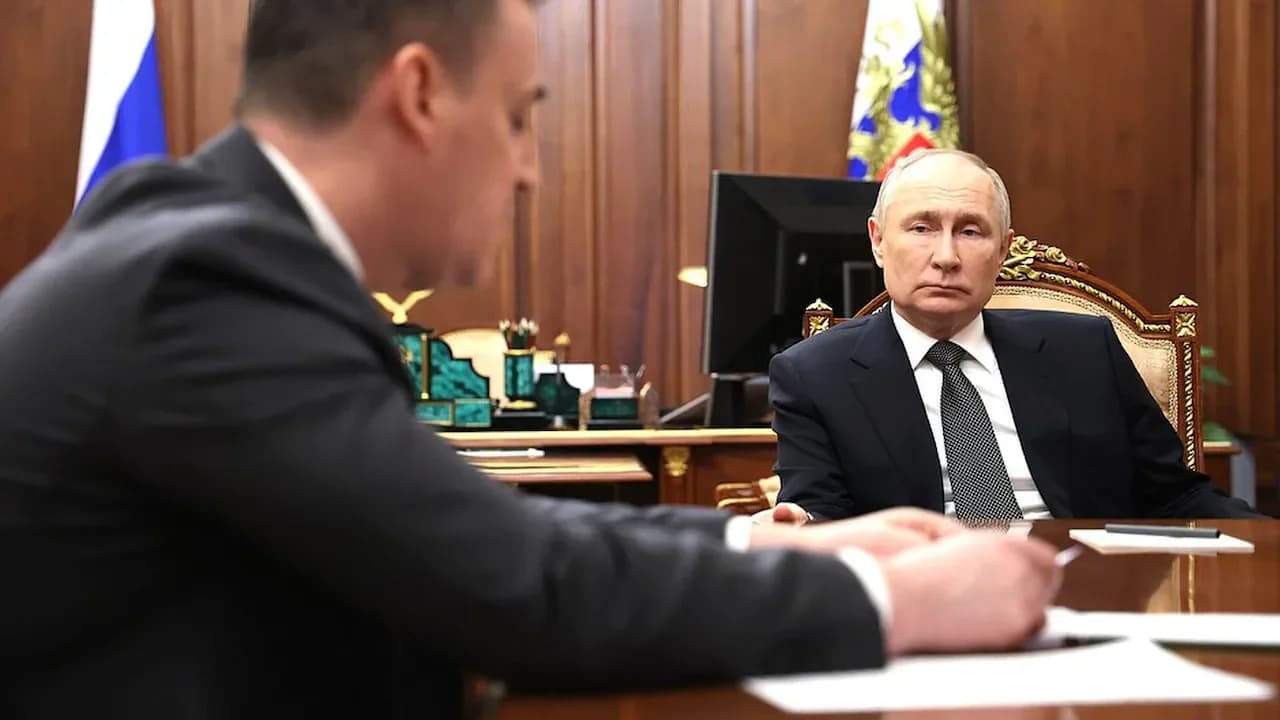
Despite severe fuel shortages across Russia, President Vladimir Putin has shrugged off the setback for one of the world's leading oil producing nations as 'not critical' and dismissed ceasefire proposals. Speaking to state TV, Putin described the Ukrainian attacks on oil refineries as an attempt to "cause a split in Russian society and force Russia to halt, even if only briefly, the advance of our troops along the line of contact, and create conditions for launching a negotiation process on terms advantageous to our adversary." However, he insisted that "strikes on our infrastructure, wherever they are directed, have absolutely no effect on the situation at the front, on the line of contact." Putin said for the first time that Ukraine has proposed a halt on deep strikes, arguing that Kyiv made the offer because Russian strikes deep into Ukrainian territory are more powerful and devastating. He rejected the proposal, arguing it would allow Ukraine to relocate its forces that are fighting Russian troops in other areas to let them focus on fending off the Russian attacks in the four southeastern regions.
Ukraine launched targeted attacks on two Russian oil refineries overnight, marking an escalation in Kyiv's campaign against Russia's fuel infrastructure. President Volodymyr Zelenskyy confirmed the strikes on refineries in Krasnodar and Yaroslavl regions, with the operations specifically designed to weaken Russia's ability to sustain its war effort. The refineries were located approximately 300 km and 700 km from Ukrainian territory, demonstrating the reach of Ukraine's drone fleet capabilities. As per Kyivpost, Zelenskyy stated that "Our warriors started Ukraine's Constitution Day very accurately. Tonight, our long-range sanctions reached two oil refineries in Russia." He emphasized that "Every single one of our long-range sanctions means a reduction in the resources working for the Russian war machine, and another step toward peace."
The Slavyansk refinery in Krasnodar region experienced a significant fire that resulted in one fatality and one injury in a nearby village, as confirmed by regional Governor Veniamin Kondratiev. According to Kyivpost, the Slavyansk refinery is a critical asset for the Russian military-industrial complex, producing aviation fuel and motor gasoline, and serving as a primary logistical node for fueling the Russian army and forces stationed in occupied Crimea. The facility is one of southern Russia's major refineries, processing close to 4 million tons of crude per year, according to its operator's website, and is also a key source of petroleum products intended for export through Russia's Black Sea ports, including fuel oil, naphtha and marine fuel. In Yaroslavl region, east of Moscow, Governor Mikhail Yevrayev announced that exits from the city were temporarily blocked on Sunday morning due to a severe drone threat, with some roads between Moscow and the region's capital, Yaroslavl, temporarily closed due to "an enemy attack by Ukrainian drones."
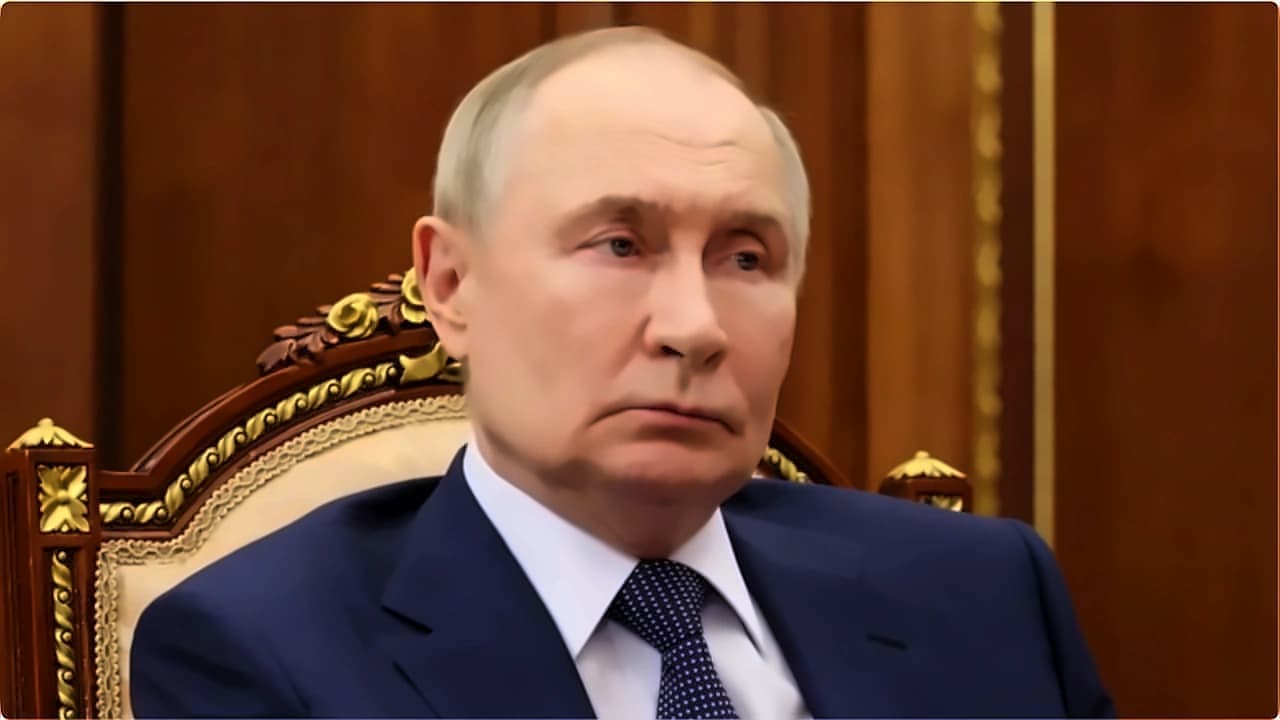
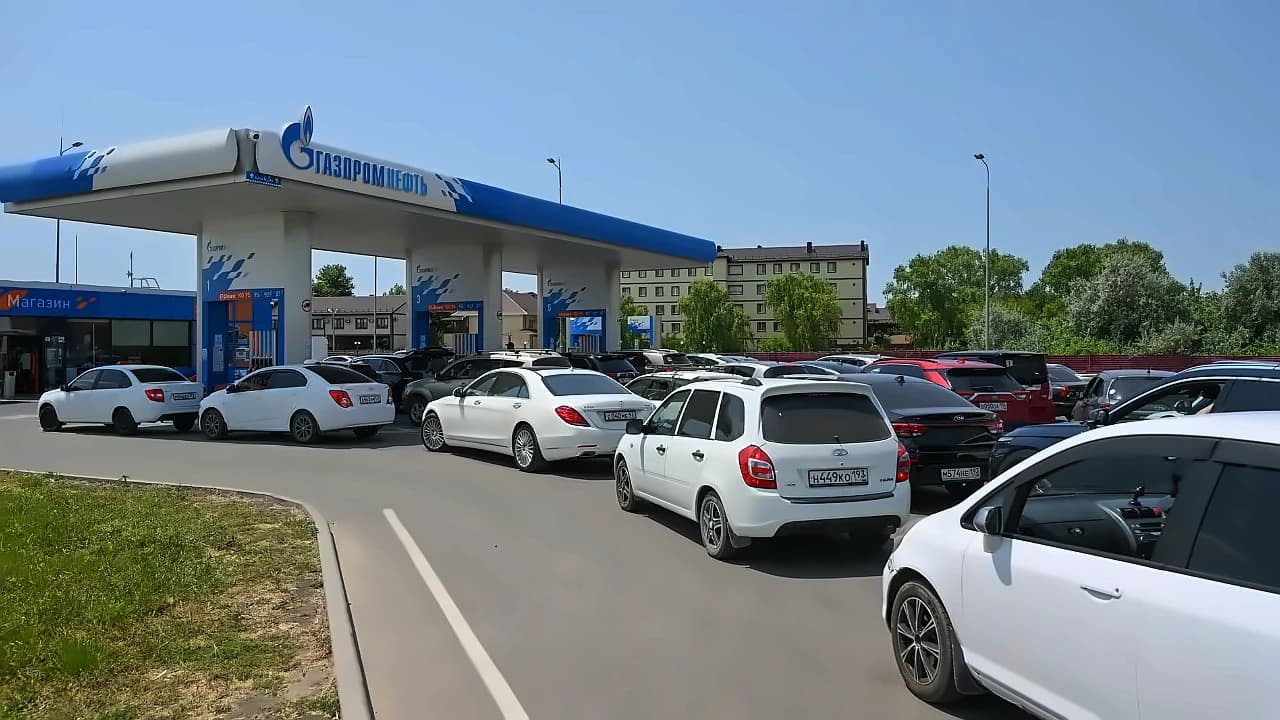
Kyiv's increasingly frequent drone attacks have created acute fuel shortages in parts of Russia, with gasoline production reduced by roughly 17% to 850,000 barrels a day, according to government statistics. The attacks have resulted in queues and rationing at petrol stations across Russian territory, representing a significant disruption to the country's fuel supply chain. During a government meeting, Putin said that queues have already formed at Russian gas stations and that the required grades of gasoline are not always available. The campaign has choked Russian fuel supplies, causing widespread shortages and long lines at gas stations across the country and prompting authorities in many regions to introduce fuel rationing. In the Irkutsk region in Siberia, thousands of kilometers from the Ukrainian border, Governor Igor Kobzev announced that drivers will only be allowed to buy no more than 50 liters (13 gallons) of fuel per vehicle per day at state-run Rosneft gas stations. Crimea, which Russia illegally annexed from Ukraine in 2014, has faced the worst fuel shortages, with gasoline sales to individuals halted there altogether.
The strikes on Russian refineries coincided with 142 long-range strike drones and eight missiles launched by Russia overnight, according to the Ukrainian air force, with 125 drones and seven missiles being struck down. Meanwhile, Russia attacked Ukraine with 142 long-range strike drones and eight missiles overnight, according to the Ukrainian air force. In addition to the refinery attacks, a Russian aerial bomb killed two people in Zaporizhzhia - a city in southern Ukraine - and injured 16 others, including two children, said regional administration head Ivan Fedorov. In Russia's border region of Belgorod, Ukrainian drone strikes killed one person and injured another earlier on Sunday, according to acting local Gov. Alexander Shuvayev. The Russian Defence Ministry said its forces shot down 213 Ukrainian drones during the night, including over Russia, occupied Crimea and the Black and Azov seas. The Russian military unleashed a massive 11-hour barrage on the Ukrainian capital overnight into Thursday morning that killed at least 21 people, marking one of the deadliest attacks on Kyiv since the start of Russia's full-scale invasion.