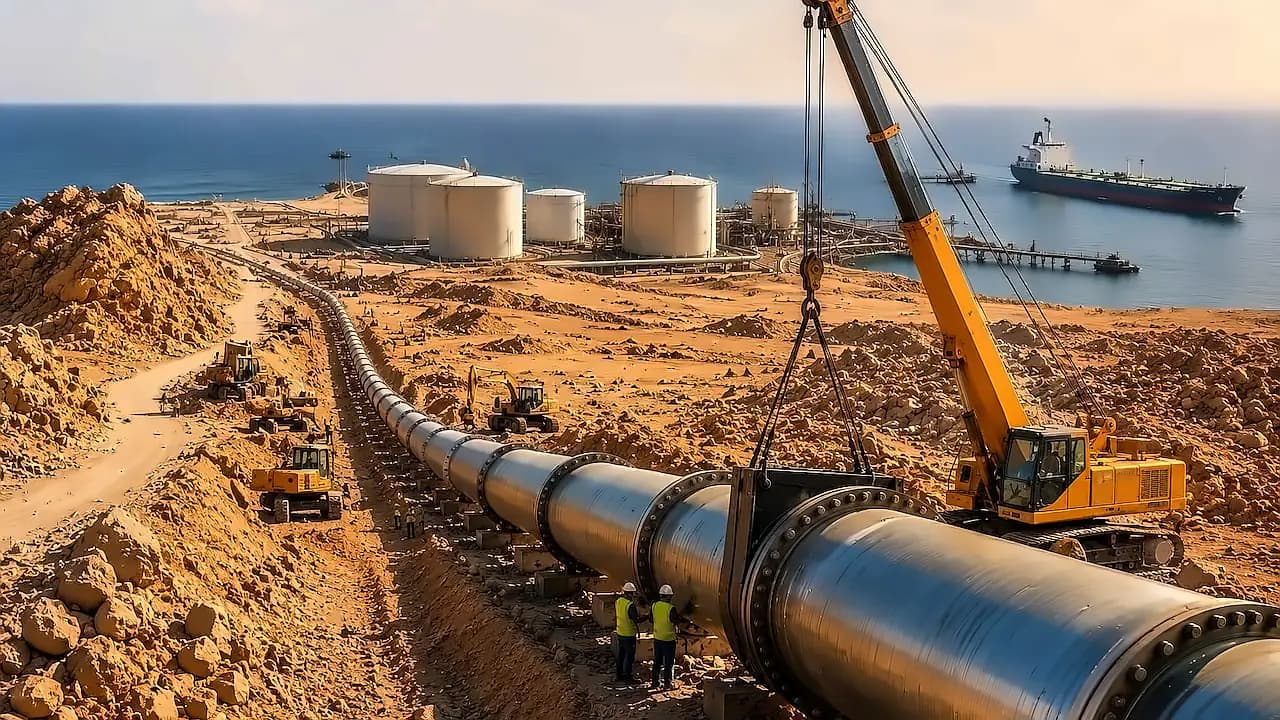
Ukraine's escalating campaign against Russian fuel infrastructure has reached a critical juncture with an overnight strike sparking a fire at a refinery in Russia's Ufa. According to Business Standard, Radiy Khabirov, governor of Bashkortostan, confirmed the attack caused "a small fire at one of the oil refineries" with the extent of damage currently being assessed. The governor indicated that repairs were expected within a couple of days, though the specific refinery affected remains unclear. Ufa is home to three oil refineries - Novoil, Ufimsky and Ufaneftekhim - all owned by Rosneft PJSC's Bashneft unit, with their total processing capacity of 23.5 million tons of oil per year, or more than 470,000 barrels per day. All three refineries have been targeted this month, adding to the mounting pressure on Russia's domestic fuel supplies.
Fuel shortages have intensified across Russia following Ukraine's intensified campaign against the country's energy and port infrastructure, with authorities implementing strict rationing measures across multiple regions. Moscow fuel stations have reimposed purchase limits amid the ongoing crisis, with Reuters witnesses and fuel suppliers confirming the return of restrictions. The Orenburg region has introduced strict limits on gasoline and diesel sales, with gas stations now selling a maximum of 30 liters of AI-92 and AI-95 gasoline per vehicle. Diesel purchases are capped at 60 liters within settlements and 200 liters on highways, while filling portable canisters is now prohibited. The Russian government confirmed on Friday that fuel supply situations remained difficult in multiple regions, specifically naming Orenburg, Lipetsk, Tver, Krasnodar, Zabaykalsky, Primorsky, Krasnoyarsk, Oryol, Tuva and Khakassia regions.
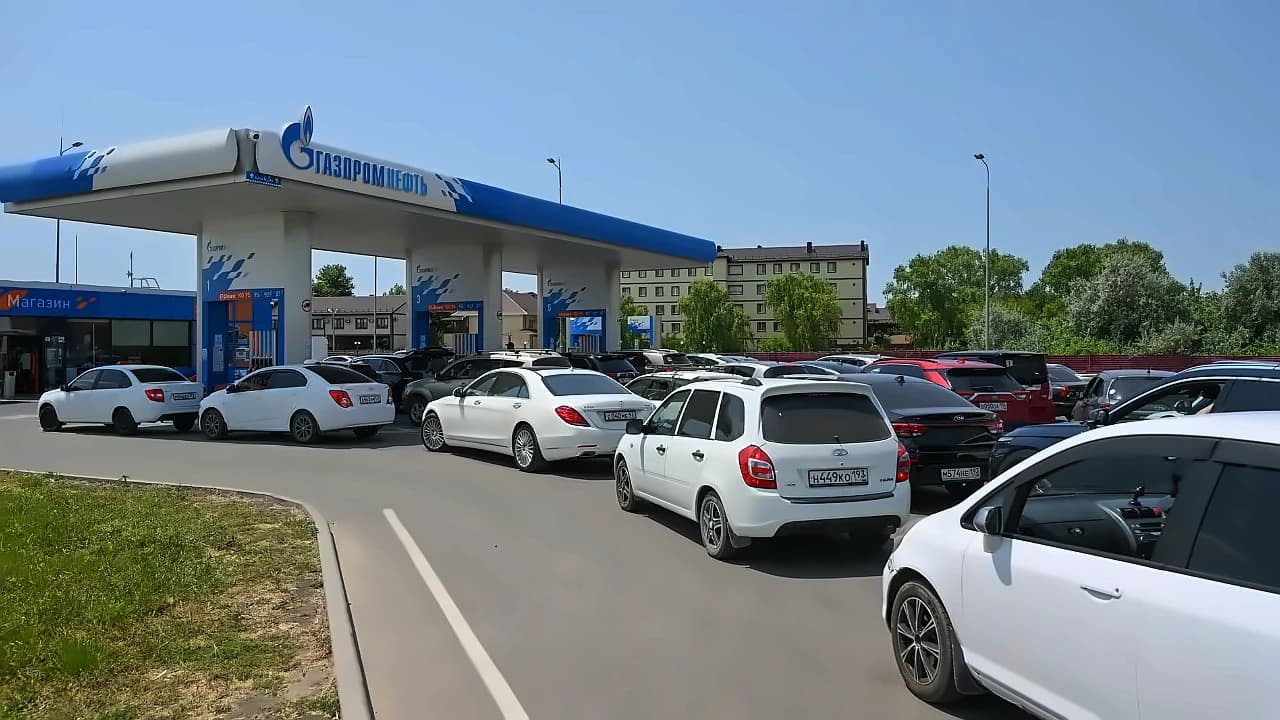
Major Russian oil companies have joined the rationing efforts with specific restrictions across their networks. Gazprom Neft customer hotline operators confirmed that gasoline and diesel sales at automated filling stations in Moscow are limited to 40 liters per customer, while at other stations, diesel sales remain unrestricted while gasoline purchases are capped at 60 liters per vehicle. Rosneft, Russia's largest oil producer, has limited gasoline sales to 30 liters per vehicle at all its filling stations across Russia, with diesel sales facing no restrictions. The company also warned customers of longer waiting times due to heightened demand. Lukoil has introduced fuel sales restrictions in Moscow and the surrounding region due to elevated demand, unscheduled refinery maintenance and the need to ensure stable operations at its filling stations. Tatneft has limited gasoline sales to 50 liters per vehicle at its filling stations.
The fuel crisis has significantly impacted market demand, with gasoline sales falling by an average of 20% at the St. Petersburg International Mercantile Exchange since the beginning of August versus the second half of July, according to exchange data reported by Reuters. This decline reflects both the supply constraints and seasonal demand patterns that have compounded the challenges facing Russia's fuel distribution network. The Federal Antimonopoly Service (FAS) had previously investigated propane prices in the Orenburg region, which had increased by 1.5 times over two months to 42-45 rubles ($0.50-0.54) per liter. The shortages began to gather pace in May and had spread to most Russian regions by July, with Moscow stations able to ease earlier restrictions in June before the current crisis intensified.
To address the mounting fuel shortage crisis, Russian authorities have banned exports of gasoline and diesel and eased fuel quality requirements to boost domestic supplies. The government has also begun importing petroleum products to supplement domestic production. Earlier this week, Deputy Prime Minister Alexander Novak held a meeting to discuss the domestic oil-product market, including conditions in the hardest-hit regions. Novak instructed oil companies and relevant ministries to step up monitoring of regional fuel supplies to prevent imbalances and price spikes, as intensified attacks on Russian refineries continue to put domestic supplies under renewed pressure. The latest shortages come after new series of drone attacks targeting Russian refineries in late July and early August, with the Ukrainian drone attack disabling the Orsknefteorgsintez refinery which has an annual capacity of 5.7 million tons.