President Volodymyr Zelenskyy announced on Monday that Ukraine is ready to halt its strikes on Russian territory if allies can secure a genuine Russian commitment not to hit Ukraine's critical infrastructure. According to Business Standard, Zelenskyy said in a post that 'Every day, Ukrainian energy facilities, port infrastructure, logistics, even food and pharmaceutical warehouses become targets.' He emphasized that 'The war must be ended. And a de-escalation step regarding critical infrastructure could be a first step toward peace.' Zelenskyy stated he 'expects concrete proposals from our partners' to help secure such an agreement with Russia.
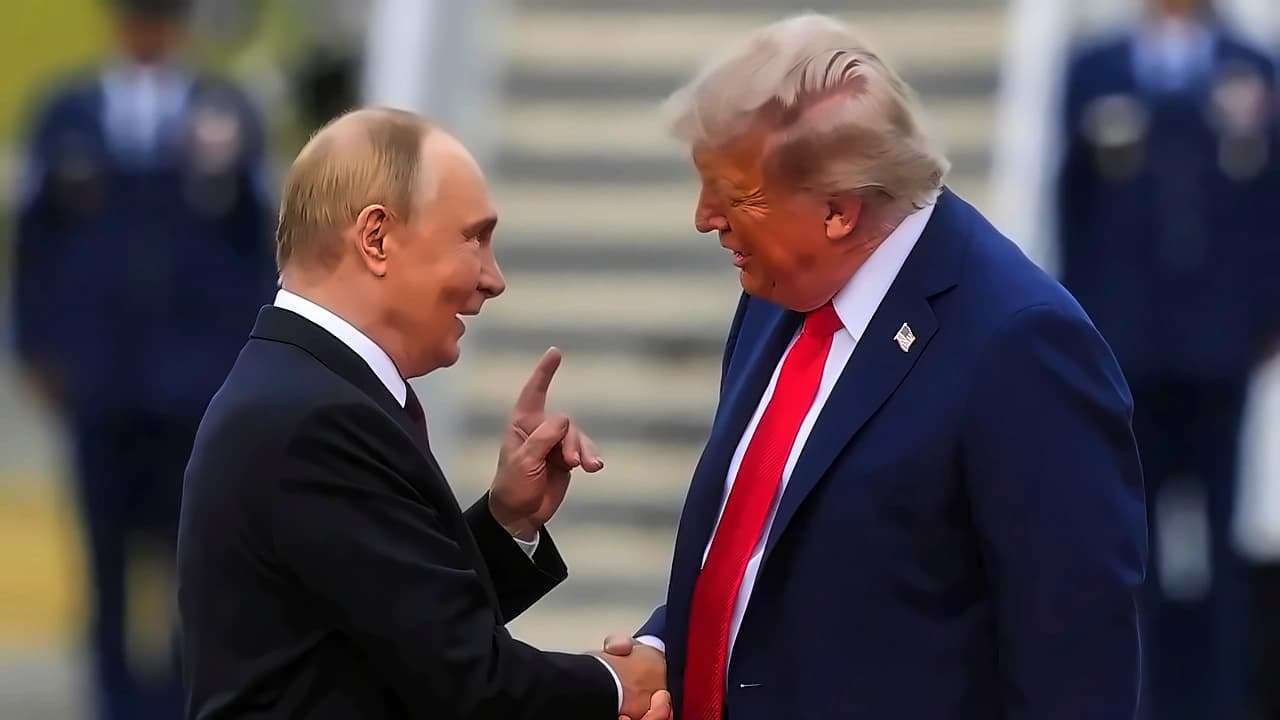
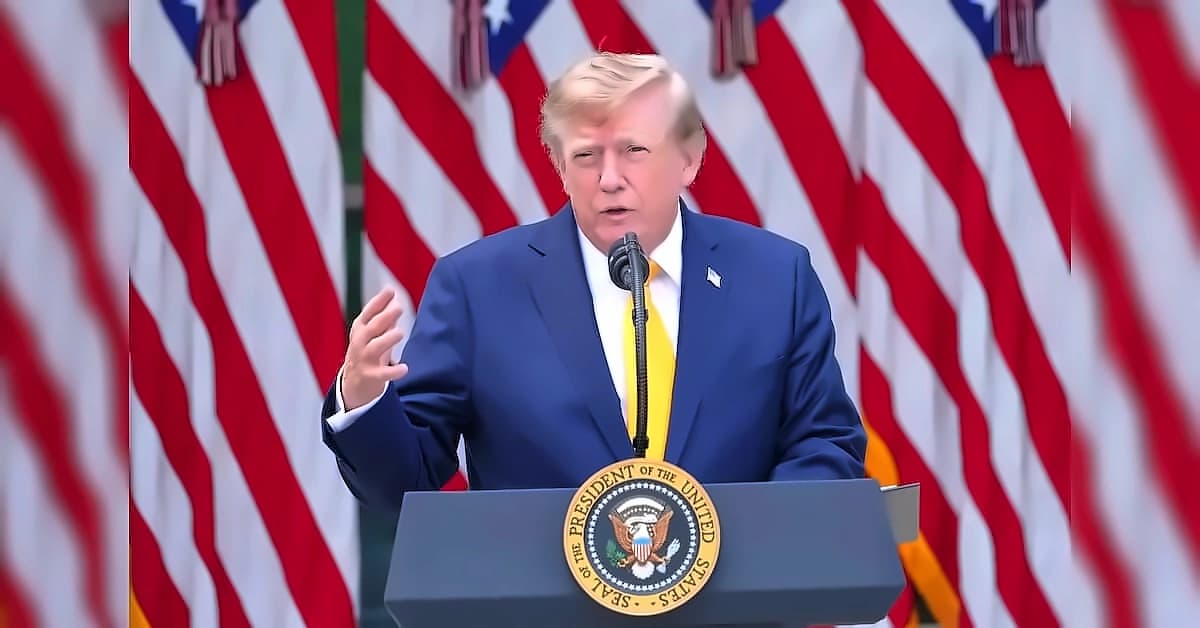
US President Donald Trump announced on Monday that Russia and Ukraine have agreed to stop targeting each other's energy infrastructure, raising hopes that easing attacks on oil facilities could help relieve pressure on global diesel supplies. According to reports from NDTV, Trump made the claim in a post on Truth Social, stating that Ukraine had agreed not to strike Russian energy targets and that Russia had agreed to do the same. However, Trump did not provide details on when the understanding was reached or how it would be implemented, with Ukraine and Russia not publicly confirming a formal energy ceasefire at the time of the announcement. As reported by Business Standard, Trump called on Zelenskyy to 'stop the strikes' on Sunday, with Kremlin spokesman Dmitry Peskov saying any call on Kyiv to stop strikes on civilian economic infrastructure 'can only be welcomed'.
The escalating conflict has created a severe global fuel shortage, with diesel prices in the US hitting a record high of over $6 per gallon on average on Friday. As reported by Business Standard, the International Energy Agency (IEA) confirmed that net exports of diesel and gasoil from Gulf countries in August stood at just over a quarter of what they were before the Iran war began in February. The IEA noted that disruptions to Russia's refining system and near-halt to product exports following intensified Ukrainian attacks have compounded these losses, with combined next exports of diesel and gasoil from Gulf and Russia accounting for almost 45% of global seaborne trade in February. According to latest reports, diesel prices have soared more than 60% since the U.S. and Israel launched the war on Iran in late February, with the global crunch also attributed to the war on Iran that curtailed oil shipments through the Strait of Hormuz. Fuel prices are weighing on Americans as they prepare to vote in midterm elections in November.
The conflict has intensified significantly in recent weeks, with both sides conducting large-scale drone strikes. According to TNND, Russian forces intercepted 389 Ukrainian drones overnight, while Ukraine's air force reported shooting down or suppressing 409 Russian drones of various types overnight. The latest attacks reportedly struck a major refining and petrochemical hub in Nizhnekamsk, killing two people and injuring 14, with the two Russian civilians dying after a drone slammed into a tree near their parked car. Ukrainian authorities reported Russian drones pummeling the Black Sea port of Odesa and starting a fire near a border crossing with Poland, while Ukraine also claimed to have hit a major oil refinery in Slavyansk-on-Kuban, in Russia's Krasnodar region near Crimea. Russian strikes also hit western Ukraine near the Polish border, damaging a gas station and a passenger-train locomotive, though no casualties were reported near the border crossing. Russian forces had attacked Ukraine with 453 drones total, including newer jet-powered versions that are faster and more difficult to intercept.
Kremlin spokesman Dmitry Peskov announced on Sunday that Moscow is open to restarting peace talks in autumn featuring Russia, Ukraine and the United States. As reported by TNND, Peskov told reporters that 'October cannot be ruled out' for peace talks, with the Kremlin signaling that peace talks with Washington and Kyiv could resume in autumn. Last weekend, U.S. envoys Jared Kushner and Steve Witkoff held talks with Putin in Moscow, followed by a meeting with Zelensky in Kyiv. However, despite the latest diplomatic push, the core demands of Moscow and Kyiv remain mutually exclusive, especially over territorial concessions. Ukrainian Foreign Minister Andrii Sybiha wrote on social media that 'Russia's barbaric strikes at the Ukraine-Poland border crossing point in Yahodyn are not just a continuation of its attacks on our state borders. This is Putin's terror 'knocking' directly on the doors of the EU and NATO.'